PHOTO
DUBAI - Emirates Environmental Group (EEG) hosted its first panel discussion of 2026 in Dubai, bringing together policymakers, industry leaders, researchers and youth to examine challenges and opportunities in integrating renewable energy while maintaining grid stability and resilience.
In her opening remarks, Dr Habiba Al Mar’ashi, Co-Founder and Chairperson of EEG, said the global energy landscape is undergoing a profound transformation, with renewable energy now a central pillar of economic competitiveness, climate action and energy security. Citing the International Energy Agency, she noted that renewables are expected to account for nearly 90 percent of global power capacity additions by 2030, stressing that the challenge lies not only in scaling capacity but in ensuring effective integration into existing power systems.
She highlighted key challenges facing energy systems worldwide, including intermittency, grid congestion, storage limitations, digital infrastructure gaps and regulatory readiness, calling for coordinated planning, investment in smart grids, advanced storage solutions, digitalisation and regional cooperation.
The event opened with EEG’s first inter-school debate of 2026, reflecting the organisation’s commitment to youth engagement and sustainability education. Students discussed the opportunities and limitations of renewable energy systems, demonstrating strong critical thinking and environmental awareness, and highlighting the role of youth in shaping balanced energy discourse.
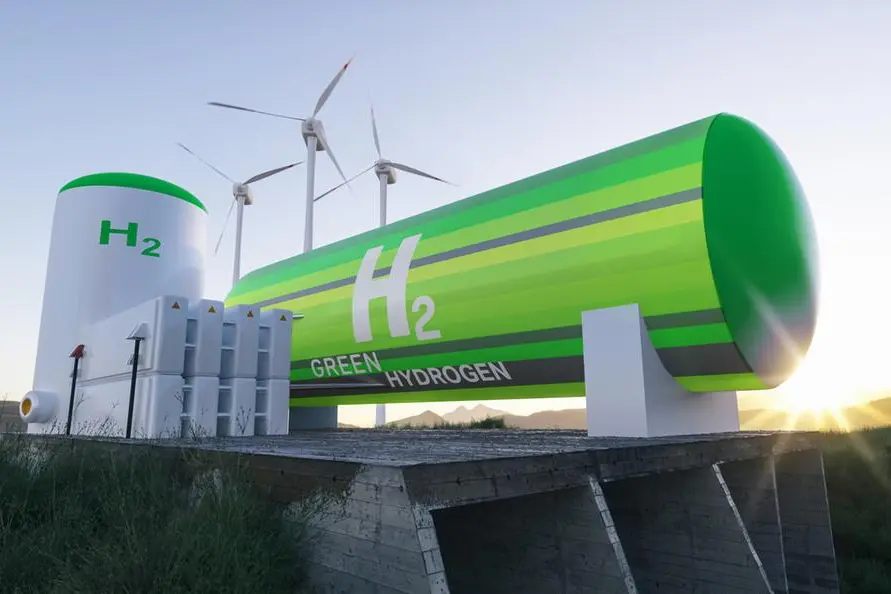
The expert panel featured representatives from the Dubai Supreme Council of Energy, the Ministry of Energy and Infrastructure, the University of Sharjah, the American University of Sharjah and the private sector. Discussions covered technical, regulatory and financial aspects of clean energy integration, with a focus on energy storage, smart grids, demand response mechanisms and the emerging role of green hydrogen as a long-duration storage solution.
Panellists examined how surplus renewable power can be stored and utilised effectively, while addressing challenges related to infrastructure readiness, cost and regulatory frameworks. The discussion also highlighted the potential of green hydrogen to enhance grid flexibility and support decarbonisation, while stressing the need for supportive policies, targeted investment and regional collaboration.
The session concluded with an interactive question-and-answer segment, followed by a call for closer cooperation between governments, industry and academia to align policy, planning and long-term investment in resilient energy systems.
The event was supported by McDonald’s UAE as main contributor, with Two Seasons Hotel and Apartments hosting the venue, and was reinforced by partnerships with the Emirates Green Building Council, the Clean Energy Business Council, the Swiss Business Council, Capital Club Dubai and the Arabia CSR Network.
The session marked the start of EEG’s 2026 panel discussion series, setting the stage for continued dialogue on sustainability, climate action and clean energy transitions.