PHOTO
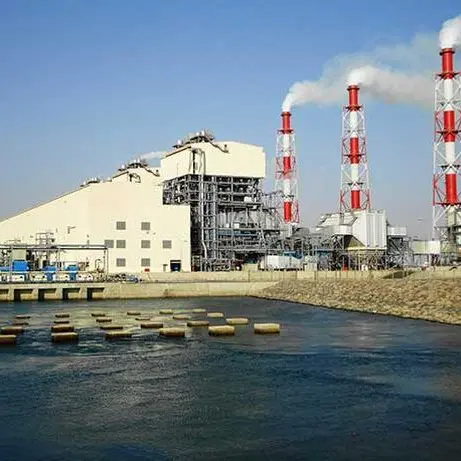
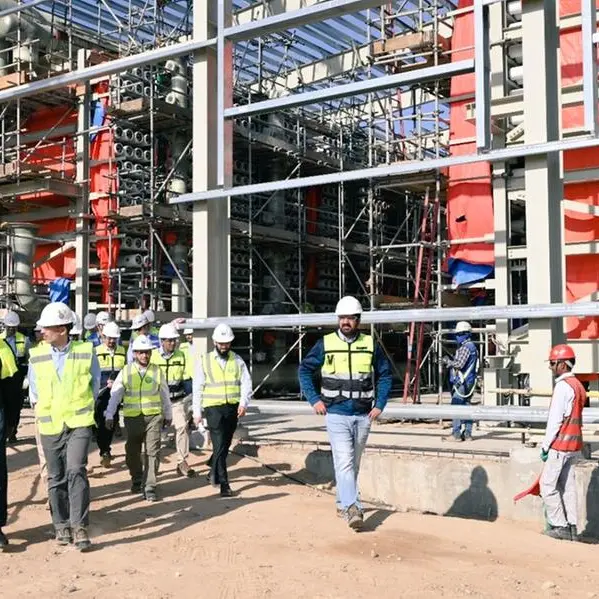
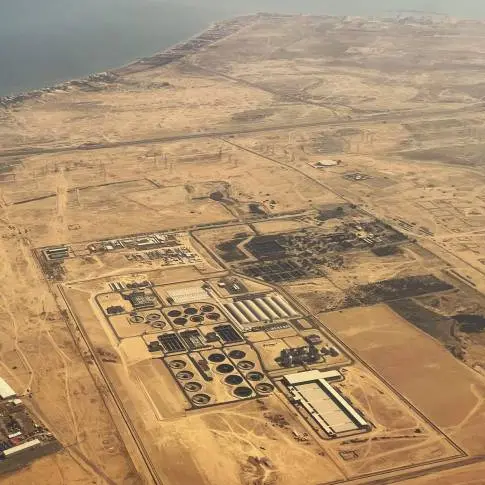
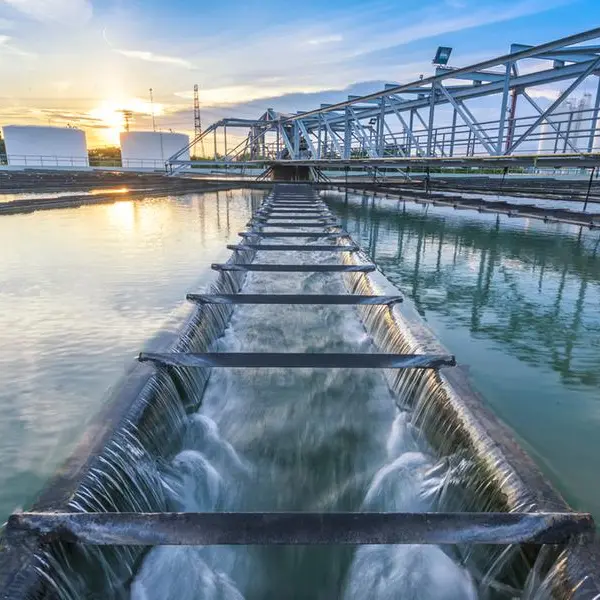
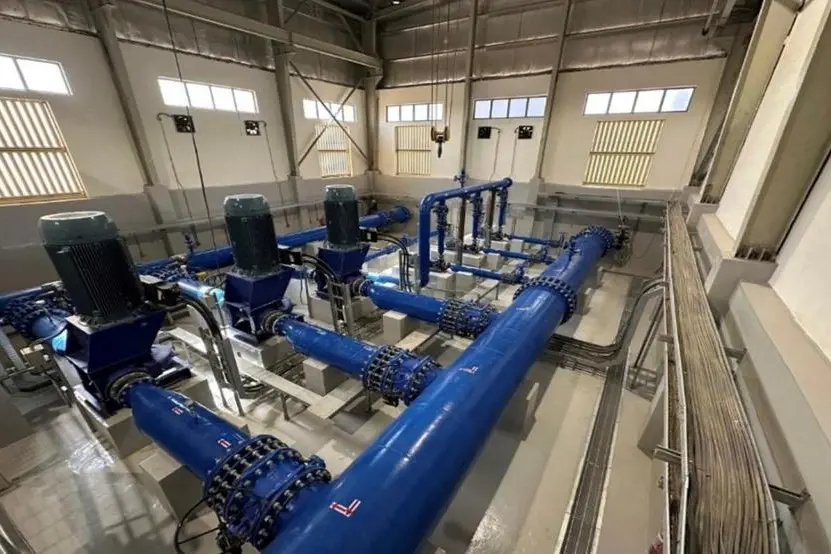
A consortium led by Spain’s ACCIONA, in partnership with local firms Tawzea and Tamasuk, has announced the successful completion and commercial operation of three Independent Sewage Treatment Plants (ISTPs) in Saudi Arabia: Madinah-3, Buraydah-2, and Tabuk-2.
With the Project Commercial Operation Date (PCOD) now achieved for all three facilities, the consortium has commenced full operations and maintenance (O&M) responsibilities, Acciona said in a press statement.
The three projects had achieved financial close in March 2022, with Acciona's water division securing its first green loan worth $480 million that year to support the development of these projects.
Saudi Water Partnerships Company (SWPC) estimates had pegged the total cost of the three ISTPs at $612 milion.
Acciona said collectively, the three plants will treat up to 440,000 cubic metres per day (m3/day) of wastewater, significantly enhancing water reuse capacity in the Kingdom.
- Madinah-3, with an initial treatment capacity of 200,000 m³/day, will serve up to 1.5 million residents in the greater Madinah area.
- Buraydah-2 will provide services for approximately 600,000 people, including the nearby town of Ash Shimasiya, with a capacity of 150,000 m³/day.
- Tabuk-2, complementing the existing Tabuk-1 ISTP, will serve up to 350,000 people and treat 90,000 m³/day.
According to the press statement, the treated water from these plants will be primarily reused for agricultural irrigation, helping to alleviate pressure on the Kingdom’s limited freshwater resources.
Expected daily water savings are estimated at 190,000 m³ at Madinah-3, 142,500 m³ at Buraydah-2, and 85,500 m³ at Tabuk-2.
Approximately 95 percent of the treated water will be allocated to agriculture, with the remaining 5 percent reused within the plants themselves.
(Writing by SA Kader; Editing by Anoop Menon)
(anoop.menon@lseg.com)
Subscribe to our Projects' PULSE newsletter that brings you trustworthy news, updates and insights on project activities, developments, and partnerships across sectors in the Middle East and Africa.