PHOTO
The Middle East is entering a new phase in renewable energy development as countries like Saudi Arabia and the UAE accelerate solar and battery storage integration under their national energy transition frameworks, according to Arif Aga, Director at SgurrEnergy.
“At SgurrEnergy, after working across 50+ countries, we see the Middle East not just catching up but leading in ambition,” Aga told Zawya Projects.
He pointed out that Saudi Arabia’s goal of generating 50 percent of its power from renewables by 2030 - around 130 gigawatts (GW) - is backed by strong policy support and large-scale investments in solar and wind.
“Similarly, the UAE is making remarkable progress with its 2050 vision, tripling its renewable capacity and investing heavily in solar, battery storage integration and green hydrogen,” he said.
Aga noted that the region’s move toward Solar + BESS systems is enabling round-the-clock (RTC) renewable power, reducing peak demand pressure, and providing stable energy for HVAC and industrial loads even beyond daylight hours.
“With smart grids, AI, and hybrid architectures becoming mainstream, the Middle East is well on its way to becoming a global green energy exporter - delivering resilience, reliability, and long-term prosperity,” he said.
Aga said SgurrEnergy is leveraging its global engineering expertise and deep experience from large-scale solar and hybrid (like Solar+wind, Solar+BESS, Solar+Wind+BESS) projects to help developers across the Middle East deliver more efficient, cost-effective, and reliable renewable energy projects.
“Our goal is to help shape the region’s transition toward hybrid, grid-stable, and RTC clean power systems that enhance both energy security and sustainability,” he said.
Excerpts from the interview:
What distinguishes the MENA region’s renewable energy projects from other emerging markets you’ve worked in, particularly in terms of design and engineering complexity?
Having worked on over 185+ GW of renewable projects worldwide, I’d say MENA’s projects stand out for their scale, hybrid architecture, and engineering sophistication. The desert’s extreme heat, dust, and soiling challenges make design here uniquely complex — but they also inspire innovation. This is the region where gigawatt-scale hybrid projects integrating solar, wind, and BESS are redefining what’s possible.
At SgurrEnergy, we apply advanced analytics, thermal simulations, and materials science to mitigate soiling and temperature effects. We see the region pioneering next-generation innovations — such as dust-resistant PV modules, smart cleaning systems, and BESS-backed hybrid dispatch models — that will set new global benchmarks for renewable energy performance in harsh climates.
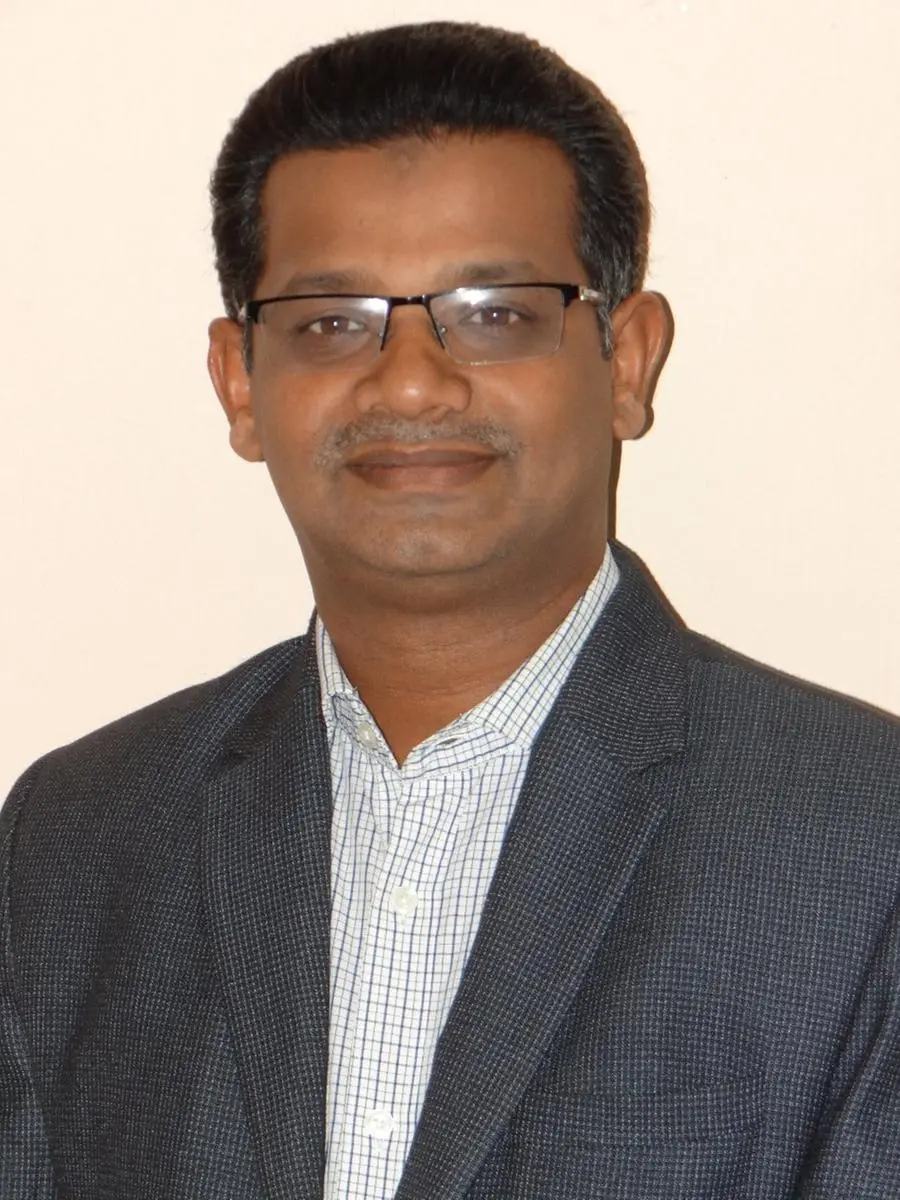
SgurrEnergy has supported major developers like ACWA Power across Saudi Arabia and beyond. Could you share details of your ongoing or upcoming projects in the region?
Our journey in the Middle East has been deeply rewarding. We’ve had the privilege of supporting leading developers like ACWA Power, Elsewedy, Alfanar, Tarshid, Al Jomaih, and many more on landmark projects in the region.
Currently, our team is engaged in several of Saudi Arabia’s major renewable projects — including advisory roles in Saad 1 and Saad 2 projects - both are now commissioned - which form part of the Kingdom’s 130 GW clean energy roadmap.
We’re also expanding our presence in the UAE and other GCC nations, focusing on solar + BESS projects designed to deliver RTC renewable power and manage peak load shaving for utilities and industries.
How is SgurrEnergy leveraging its global expertise — including work on large-scale solar plants in India — to support the region’s utility-scale and hybrid renewable projects?
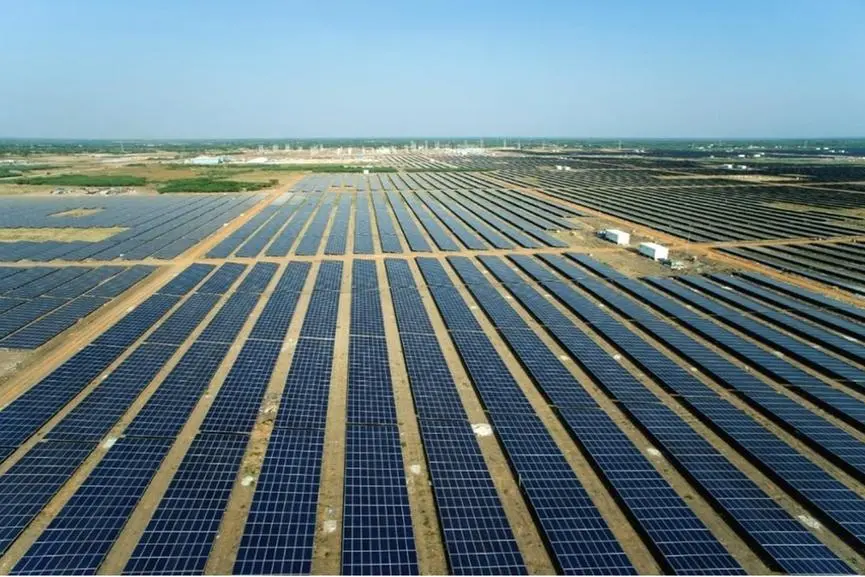
Our approach combines advanced technical advisory with smart design optimisation to lower project costs, enhance energy yield, and improve overall project performance. Our expertise extends beyond solar into solar + BESS, wind + storage, and hybrid grid solutions, where we combine advanced technical advisory with precision engineering to maximise yield and reliability.
We’ve introduced several innovations — such as optimised DC system design, aluminium cabling, and high-voltage 1500 V architecture — which now underpin efficient hybrid design. Through our data-driven yield assessments and energy dispatch optimisation, we help clients achieve 1–2 percent higher energy yield and 10–15 percent lower LCOE.
Our hybrid project experience ensures that solar + BESS systems can sustain HVAC and commercial loads year-round, providing reliable, clean energy even during non-solar hours - a critical step toward RTC renewable generation.
What are some of the key technical and performance risks developers face in mega renewable energy projects, and how are these being mitigated?
The challenges are multiple - from dust-induced yield losses and grid integration issues to dispatch unpredictability in hybrid systems. In MENA’s extreme climates, the risks are magnified.
At SgurrEnergy, we mitigate these risks through precision engineering and predictive performance modelling. Our approach integrates soiling loss analysis, cleaning optimisation, grid stability simulation, and thermal stress management - ensuring system resilience and consistent energy delivery.
For hybrid projects, we model BESS dispatch profiles for peak shaving and energy shifting, ensuring dependable power for HVAC and industrial applications even during night or low irradiance periods. Our asset management and predictive maintenance strategies further enhance uptime, safety, and long-term returns.
In short, we de-risk renewable portfolios by designing climate-resilient, storage-integrated systems that perform safely and sustainably throughout their lifecycle.
With plans to establish offices in the UAE and Saudi Arabia, what opportunities and challenges do you see in expanding your footprint across the Gulf?
The region’s strong pipeline of solar, wind, and hybrid + storage projects presents an enormous opportunity for sustainable growth.
Our goal is to bring our global expertise in RTC and hybrid engineering closer to regional developers — supporting them in designing solar + BESS systems capable of peak load shaving, grid balancing, and round-the-clock clean power.
We also plan to invest in local talent development and collaborative innovation hubs that strengthen the region’s technical capabilities in hybrid and battery storage integration.
While regulatory and supply chain challenges exist, the momentum toward energy storage-backed renewables far outweighs the obstacles. We’re committed to playing an active role in this transformation.
Finally, how do you envision SgurrEnergy’s role in enabling the region’s net-zero transition over the next decade?
Our focus will be on seamlessly integrating solar, wind, and battery systems to deliver dispatchable green power, ensuring grid stability and round-the-clock clean energy.
These hybrid systems not only help shave peak demand but also sustain critical HVAC and industrial loads throughout the year. With advanced AI, digital twins, and data-driven asset management, we aim to make renewable infrastructure smarter, more efficient, and more resilient.
Ultimately, our mission extends beyond technology — we’re building local capacity, enabling job creation, and helping nations across the region move decisively toward a low-carbon, energy-secure future powered by renewables that never sleep.
(Reporting by SA Kader; Editing by Anoop Menon)
(anoop.menon@lseg.com)
Subscribe to our Projects' PULSE newsletter that brings you trustworthy news, updates and insights on project activities, developments, and partnerships across sectors in the Middle East and Africa.