PHOTO
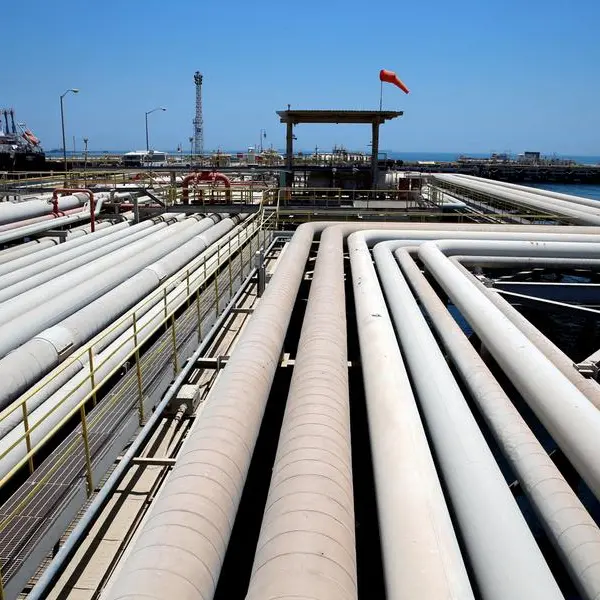
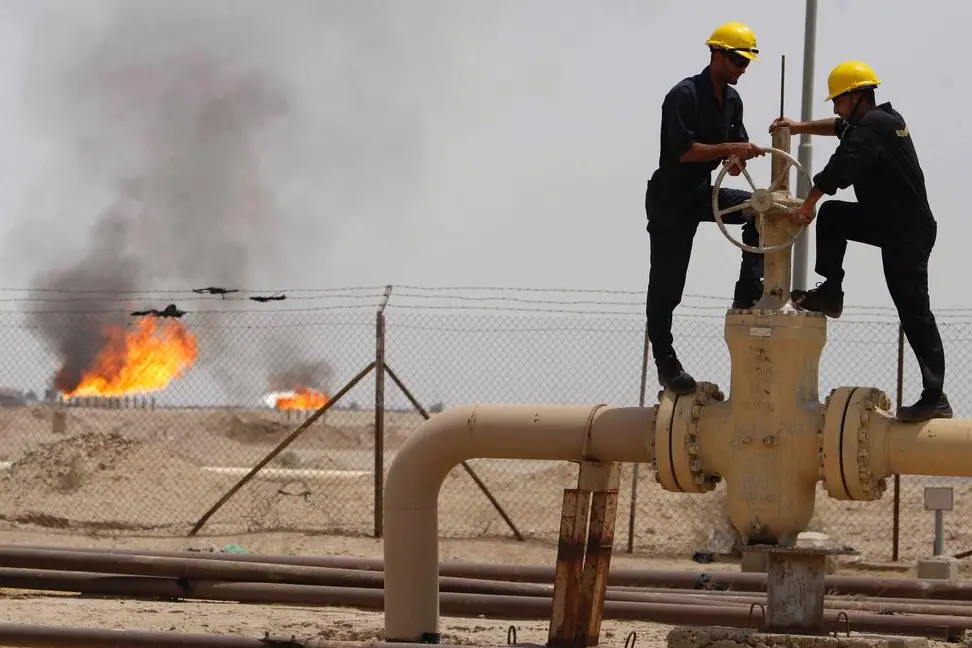
Iraq is not likely to restart oil exports through the Saudi Arabian pipeline to the Red Sea port of Yanbu in the near term, citing “major obstacles”, according to a media report.
Riyadh’s insistence on retaining the right to use the pipeline segment within its territory to transport its own oil remains a major hurdle and restarting the Iraq-Saudi pipeline will require reviving the bilateral agreement governing its operation, an unnamed oil ministry source told Shafaq News.
The pipeline, stretching nearly 1,568 kms from Zubair in southern Iraq to Yanbu on the Red Sea, halted operations in 1990 after Iraq invaded Kuwait.
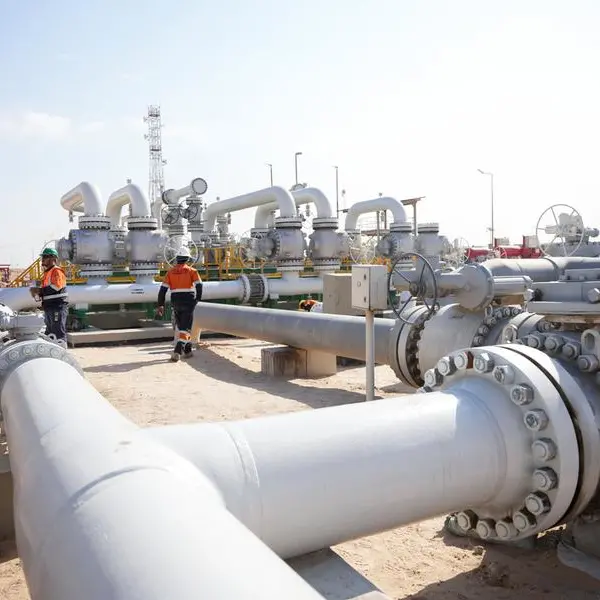
The pipeline has been neglected for more than three decades and requires extensive rehabilitation, including replacing significant sections, as well as financial allocations, if an agreement is reached, the report said.
Iraq currently relies on alternative export routes, including overland transport through Jordan and Syria.
The country is exploring options such as the Turkish Ceyhan pipeline, the Baniyas route and longer-term plans including storage facilities outside the Gulf and a proposed pipeline to Oman’s Duqm port.
Iraq’s oil output declined from 4.3 million to 1.3 million barrels per day (bpd) due to the disruptions in the Strait of Hormuz, cutting exports to below 800,000 bpd. The state exchequer losses stand at $128 million per day, the report said.
(Editing by Anoop Menon) (anoop.menon@lseg.com)
Subscribe to our Projects' PULSE newsletter that brings you trustworthy news, updates and insights on project activities, developments, and partnerships across sectors in the Middle East and Africa.