PHOTO
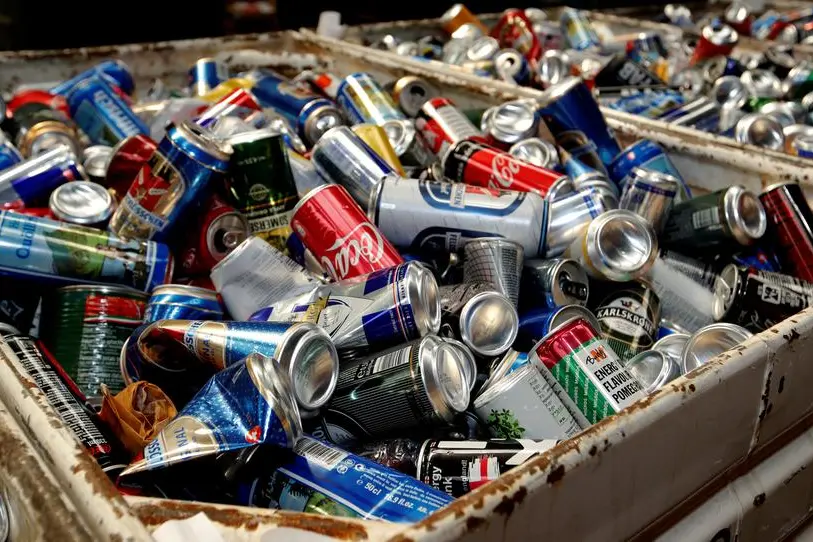
Saudi Arabia’s Ministry of Industry and Mineral Resources has launched a national licensing framework for waste recycling industry, unveiling eight licensed activity streams and an industrial permitting guide as part of efforts to mobilise up to 40 billion Saudi riyals ($10.7 billion) in private investment and accelerate waste-to-value development across the Kingdom.
The move integrates recycling industry as a standalone sector into Saudi Arabia’s formal industrial licensing system supporting Vision 2030, the National Industrial Strategy and the national waste management master plan, according to a press statement issued by the Ministry.
The programme targets the recovery of 4.2 million tonnes of recyclable materials by 2035, is being implemented in coordination with the National Centre for Waste Management (MWAN), the Ministry of Environment, Water and Agriculture, and the Ministry of Municipal and Rural Affairs and Housing,
The eight licensed activities are:
- Organic compost production
- Reuse of municipal solid waste
- Reuse of hazardous waste
- Reuse of non-hazardous industrial waste
- Recycling of oils and petroleum waste
- Municipal waste disposal via landfill or waste-to-energy incineration
- Sorting and processing of metal scrap and waste for use as raw materials
- Preparation of metal scrap and waste for industrial feedstock
More than 235 companies are expected to benefit from the regulatory framework, including 125 recycling firms, 90 sorting companies and 20 treatment operators, the ministry said.
During the launch event, industrial licences were awarded to five companies operating in the sector, including TerraFuel Environmental Services, WASCO Waste Collection & Recycling, Edama Organic Solutions, Creative Recycling World Company and Green City International Trading.
(Writing by N Saeed; Editing by Anoop Menon)
(anoop.menon@lseg.com)
Subscribe to our Projects' PULSE newsletter that brings you trustworthy news, updates and insights on project activities, developments, and partnerships across sectors in the Middle East and Africa.