PHOTO
Pre-FEED studies for the marine jetty and hydrogen plant have been completed for Egypt’s $873 million green ammonia project in New Damietta, while FEED work on ammonia export facilities is ongoing, according to the Egyptian Petrochemicals Holding Company (ECHEM).
The project is being developed by Damietta Green Ammonia SAE (DGA), a joint venture between Norway-based renewable energy company Scatec, ECHEM and Misr Fertilisers Production Company (MOPCO).
The project will be located in the Public Free Zone in New Damietta on the Mediterranean coast and is scheduled to start operations in the third quarter of 2028.
It is designed to produce 150,000 tonnes per annum (tpa) of green ammonia for export markets, marine fuel and industrial applications.
Project development and financing
ECHEM said in its project update that major permits and approvals are being secured, while main contracts and commercial agreements are being finalised. Financing arrangements are also under discussion.
The project will be supported by up to 480 MW of renewable energy from solar and wind, alongside an electrolyser facility of up to 240 MW to produce green hydrogen as feedstock for the production of renewable ammonia.
In July 2024, the three project partners had signed Heads of Terms for renewable ammonia offtake with Yara Clean Ammonia, the world’s largest trader and distributor of ammonia. This was preceded by joint development agreement (JDA) and shareholder agreements signed in February 2023.
In July 2024, Scatec said it had signed a letter of Intent with the European Investment Bank (EIB) for long-term financing for the project.
Integration with existing assets
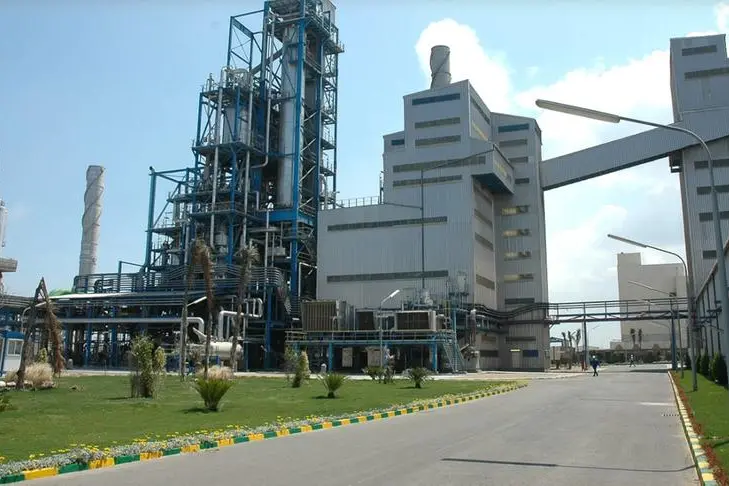
The project will utilise existing ammonia infrastructure at MOPCO’s Damietta facility for the production of renewable ammonia.
In February 2025, thyssenkrupp Uhde was selected by MOPCO to decarbonise the latter’s three existing ammonia and urea plants in Damietta while supporting the company’s green ammonia goals.
The scope includes installation of carbon capture and usage (CCU) to remove up to 145,000 tonnes/year of CO2 from existing ammonia production and use them in the urea production; installation of three ammonia converter cartridges in the existing converters to increase ammonia output while reducing natural gas consumption by around 10 percent and deploying new water electrolysis units powered by renewable energy to produce additional green hydrogen feedstock for renewable ammonia production.
(Writing by Dennis Daniel; Editing by Anoop Menon)
Subscribe to our Projects' PULSE newsletter that brings you trustworthy news, updates and insights on project activities, developments, and partnerships across sectors in the Middle East and Africa.