PHOTO
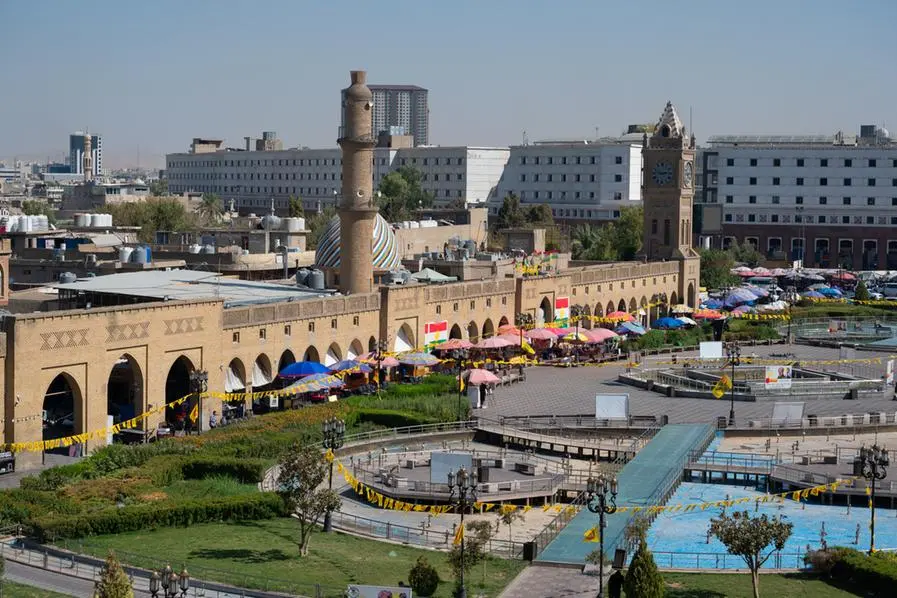
Iraq will embark on projects to rebuild historical sites as part of a 10-year tourism strategy that targets to attract 10 million visitors.
OPEC’s second largest oil producer welcomed the UK’s decision in 2025 to downgrade its security classification of Iraq, saying this reflected improved security in the country.
The Iraqi foreign ministry had welcomed the decision as an important achievement, which supports Baghdad’s efforts to achieve stability and a safe investment environment, while calling on other Western countries to review their security classification for Iraq.
“We have devised a national strategy to develop the tourism sector, stretching until 2035 during which we aim to attract 10 million tourists,” said Ali Yassin, a spokesman for Iraq’s ministry of culture and tourism.
“We have faced obstacles in developing the tourism sector due to security alerts by Western countries and China…Britain has relaxed restrictions, and we hope that other countries will follow suit,” he told the official Iraqi News Agency (INA).
Yassin said the strategy includes conferences, exhibitions, promotion visits to other countries as well as several projects to rehabilitate and reconstruct tourist sites and increasing tourism spending with the aim of expanding the sector’s contribution to GDP.
Iraq, which is saddled with large public debt due to persistent fiscal deficits, is striving to boost non-oil revenues with an emphasis on industry and tourism.
The planning ministry said last year that the government has set a target to increase non-oil revenues to a record high of around 79 trillion Iraqi dinars ($60 billion) in 2028.In September, Iraq unveiled a project to rehabilitate a tourism town associated with Mesopotamian civilisation.
The project includes a Sumerian Ur International Museum with more than 3,000 artifacts along with comprehensive cultural and service facilities and a Sumerian Theatre with a seating capacity of up to 1,500 people as well as the first opera house in Iraq with a capacity of 1,250 people.
(Writing by N Saeed; Editing by Anoop Menon)
Subscribe to our Projects' PULSE newsletter that brings you trustworthy news, updates and insights on project activities, developments, and partnerships across sectors in the Middle East and Africa.