PHOTO
- DNA organization affects metabolism: The protein NM1 helps control genes that guide how fat cells form and how the body manages energy.
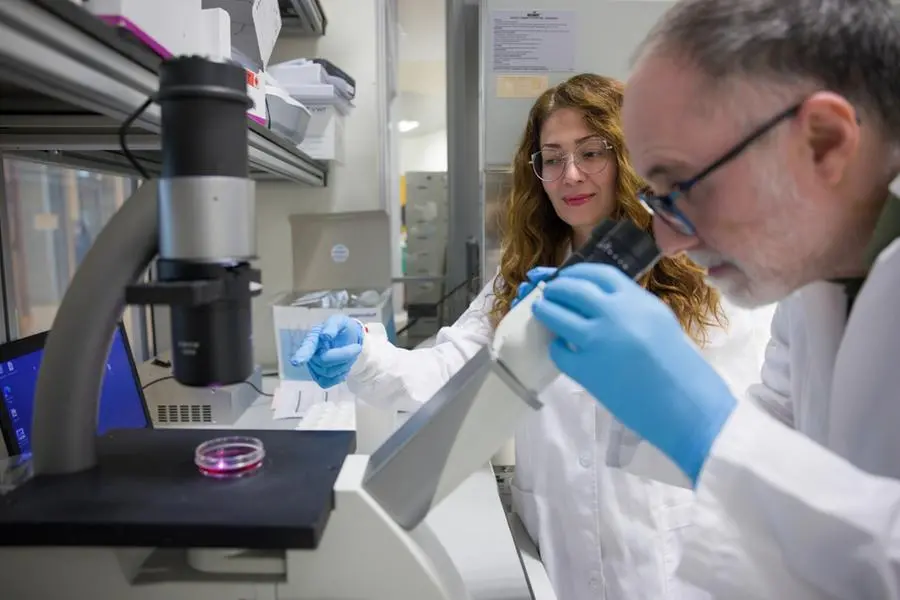
Abu Dhabi, UAE: Researchers at NYU Abu Dhabi have found that DNA organization inside cells directly influences how the body stores fat and uses energy, offering new insight into obesity and metabolic health.
In the study, the team discovered that nuclear myosin 1c, or NM1, a protein that helps control how genes are turned on and off inside the nucleus, plays a critical role in maintaining healthy fat tissue. When NM1 is not functioning properly, fat cells do not develop as they should, leading to fewer but much larger fat cells, a pattern associated with metabolic disease and increased visceral fat.
The researchers also observed higher levels of inflammation in fat tissue when NM1 activity is disrupted. Inflammation is commonly linked to obesity and conditions such as type 2 diabetes, suggesting that NM1 is important for keeping fat tissue balanced and functioning properly.
A key question in obesity research is why fat tissue sometimes becomes unhealthy even without major changes in diet. These findings show that processes inside the cell, not just external factors, can play an important role.
NYUAD Associate Dean of Science for Research, Program Head of Biology, and lead author Piergiorgio Percipalle said: “Obesity is a complex condition influenced by many biological systems. Understanding how fundamental processes inside the cell control metabolism opens new possibilities for developing treatments that target the root causes of metabolic disease.”
To explore whether the same mechanism may be relevant in humans, the team analyzed genetic data and identified related gene networks linked to MYO1C, the human version of NM1. These networks are associated with metabolic traits, suggesting this pathway may also influence obesity risk in people.
The findings reveal a previously unknown connection between how DNA is organized in cells and how the body regulates fat and energy, pointing to new possibilities for future treatments.
About NYU Abu Dhabi
www.nyuad.nyu.edu
NYU Abu Dhabi is the first comprehensive liberal arts and research campus in the Middle East to be operated abroad by a major American research university. Times Higher Education ranks NYU among the top 31 universities in the world, making NYU Abu Dhabi the highest globally ranked university in the UAE. NYU Abu Dhabi has integrated a highly selective undergraduate curriculum across the disciplines with a world center for advanced research and scholarship. The university enables its students in the sciences, engineering, social sciences, humanities, and arts to succeed in an increasingly interdependent world and advance cooperation and progress on humanity’s shared challenges. NYU Abu Dhabi’s high-achieving students have come from over 120 countries and speak over 100 languages. Together, NYU's campuses in New York, Abu Dhabi, and Shanghai form the backbone of a unique global university, giving faculty and students opportunities to experience varied learning environments and immersion in other cultures at one or more of the numerous study-abroad sites NYU maintains on six continents.