PHOTO
Human-centred design has become the clearest marker of quality at the top end of the market. Pedestrian-friendly layouts, usable outdoor spaces, wellness and leisure amenities, and a sense of rhythm between private and shared areas are now central to what buyers expect from high-end developments. The emphasis is less on visual impact and more on how a place feels to live in, day after day.
That shift matters because Abu Dhabi’s luxury audience is both substantial and discerning. The emirate is home to around 17,800 resident millionaires. These buyers are globally exposed and increasingly selective, gravitating towards environments that offer balance, ease, and a genuine sense of community.
Artemiy Marinin, Project Director at MERED, has analysed the Capital’s property landscape to uncover the lifestyle-driven trends shaping property investment in 2026.
1. Resort-Style Features Driving Buyer Demand
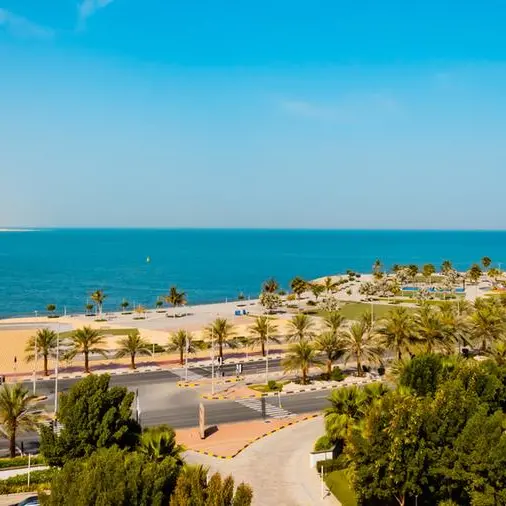
Residential communities that integrate resort-style features into the daily environment are increasingly influencing buyer decisions. Developments with green spaces, pedestrian-friendly paths, fitness and leisure facilities, and communal areas are seeing stronger demand, as these elements actively shape resident behaviour. Landscaped promenades encourage walking and social interaction, small fitness studios support regular exercise, and family-oriented courtyards reduce reliance on car trips. By influencing how people live day-to-day, these amenities have become a key differentiator in the premium market.
2. Connectivity as a Premium Differentiator
Beyond the development itself, proximity and ease of movement are critical. Walkable streets, safe pathways, and access to public transport, commercial hubs, retail, and dining are incredibly valued by residents. This shift is reinforced by major city infrastructure programmes such as Abu Dhabi’s Dh42 billion Liveability Strategy, which has expanded walking paths, cycling tracks, and other community connections across the emirate, contributing to an improvement in neighbourhood integration.
3. Cultural Resonance in Design
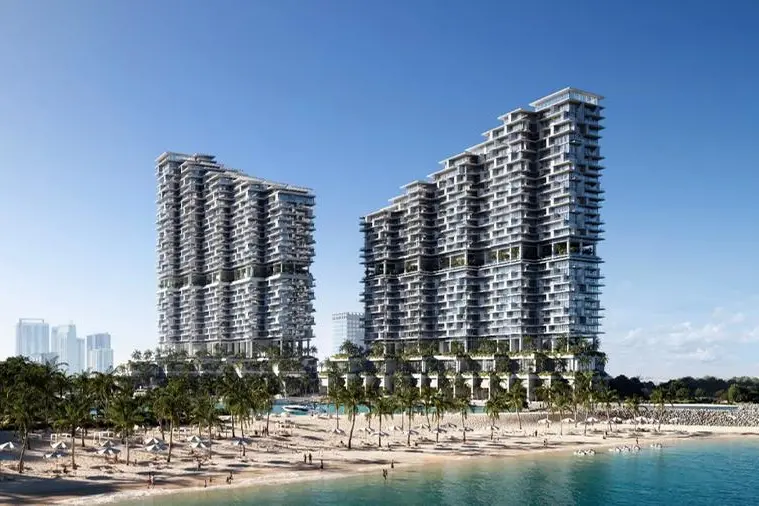
Cultural resonance is a tangible market advantage. Local and international buyers increasingly appreciate having a connection to the city’s heritage. Projects that incorporate architectural references, local materials, or historical motifs help create a stronger sense of identity and place for residents, enriching the living experience. MERED’s Riviera Residences, developed in collaboration with Pritzker Prize-winning architects Herzog & de Meuron, draws inspiration from the emirate’s pearl-diving heritage, adding character to contemporary waterfront living.
4. Waterfront Living and Enduring Value
Residents are drawn to waterfront developments for the balance they offer between vibrant urban living and natural surroundings. Careful planning ensures access to walking paths, landscaped open spaces, and the waterfront itself, creating an environment that supports outdoor activity and a sense of calm. MERED’s analysis of off-plan properties in the capital between Q4 2021 and Q3 2025 shows that premium waterfront districts outperformed non-waterfront areas, with prices rising 69% compared with 22% elsewhere, highlighting the strong and sustained demand for these locations.
The New Measure of Premium Living
Projects that prioritize human-centred elements offer compelling opportunities for long-term growth in a market where quality of life and investment potential are closely intertwined. Integrating wellness, recreation, and cultural resonance into design strengthens a property’s market appeal, and as Abu Dhabi’s premium residential market continues to grow, the most successful developments will be those that place people at the core of every design decision.