PHOTO
- Defines key terms and concepts essential to understanding the electronic invoicing system.
- Provides practical direction on how entities can prepare to implement the electronic invoicing system.
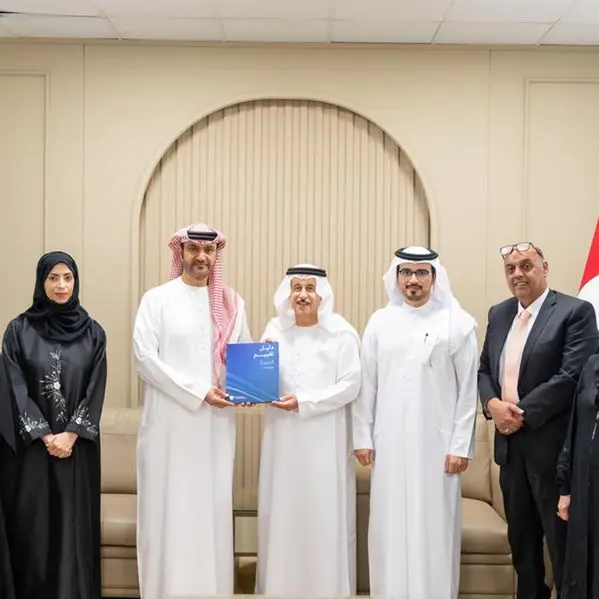
Abu Dhabi: The Ministry of Finance (MoF) announced the issuance of the official Electronic Invoicing Guidelines (the eInvoicing guide), a comprehensive reference document designed to help businesses prepare for the rollout of the country’s new electronic invoicing system.
The eInvoicing guide outlines the scope and objectives of the system and provides an overview of the national electronic invoicing framework. It also details the policy rationale behind the requirements, offering businesses greater clarity on compliance requirements and operational expectations.
The eInvoicing guide defines key terms and concepts essential to understanding electronic invoicing system and outlines the benefits of adopting a unified digital system, including an uplift of operational efficiency and increasing transparency and compliance, in addition to aligning national practices with international best practices in digital taxation and trade. The eInvoicing guide also clarifies the scope of the new operational framework, and the type of transactions and persons in scope of the electronic invoicing system, as well as business transactions that are excluded. Additionally, the eInvoicing guide provides details relating to the phased implementation approach, giving businesses greater visibility on the rollout timeline and allowing them to prepare for this transition in a structured manner.
To support implementation of the system, the eInvoicing guide provides practical guidance on how entities can prepare for implementing the electronic invoicing system, including system readiness, process alignment and governance requirements. The eInvoicing guide also clarifies the categories of einvoices, addresses specific business scenarios and explains the application of tax codes to ensure consistent treatment across transaction types.
Details of the applicable penalties in cases of non-compliance and illustrative electronic invoice templates are included in the eInvoicing guide, to help businesses understand formatting and data requirements. A series of appendices also provide additional operational guidance, featuring a comprehensive readiness framework, a practical readiness checklist, and a clearly defined outline of roles and responsibilities for all stakeholders within the electronic invoicing system.
The UAE Electronic Invoicing Guidelines are set to accelerate the country’s digital transformation efforts, aimed at modernising tax administration and streamlining commercial processes. Businesses and stakeholders are encouraged to review the guide and begin preparations ahead of the phased implementation timeline.
The UAE Electronic Invoicing Guidelines are available on www.mof.gov.ae/einvoicing, and further updates will be communicated as the eInvoicing program progresses.