PHOTO
- Leaders emphasized the importance of scaling finance, innovation, and land restoration solutions to tackle drought at its root.
- The dialogue reaffirmed Saudi Arabia’s leadership in launching global partnerships and unlocking billions for land-based adaptation.
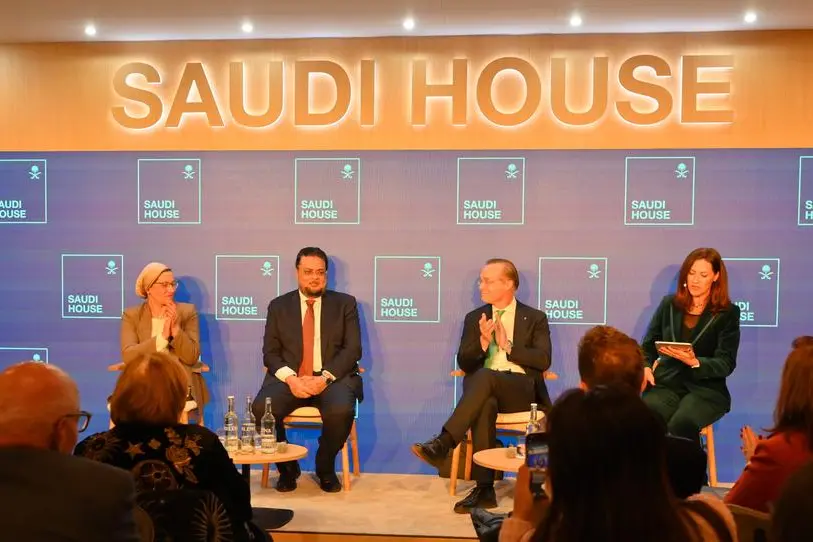
Davos, Switzerland — The United Nations Convention to Combat Desertification (UNCCD) COP16 Presidency, led by the Kingdom of Saudi Arabia, convened a high-level dialogue today at the Saudi House during the World Economic Forum in Davos to address drought as one of the most severe yet under-recognised climate risks and to galvanise multisectoral collaboration around long-term resilience.
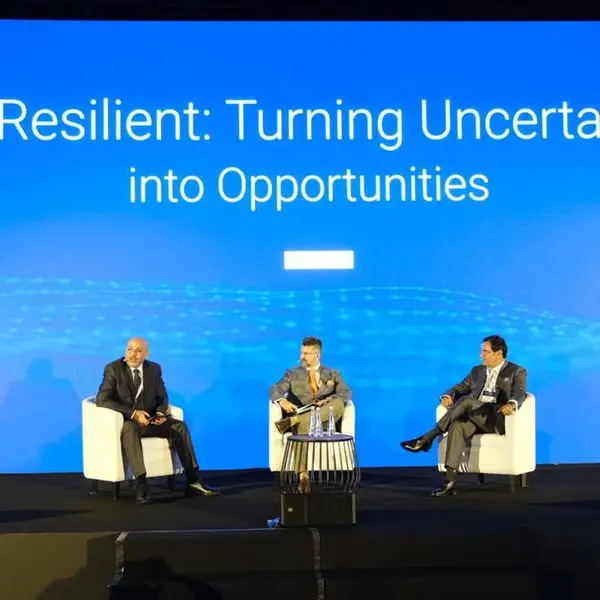
Under the theme “Global Drought Challenges and the Urgent Need to Strengthen Resilience via Multilateral Collaboration,” the session brought together country representatives, C-level executives, leaders of UN agencies, multilateral development banks, and climate experts. It served as a platform to elevate drought on the global climate finance and policy agenda, explore derisking strategies, and accelerate innovative models that shift from crisis response to prevention.
The meeting follows key outcomes of COP16 in Riyadh, where over $12 billion was pledged for land and drought-related action, including $10 billion from the Arab Coordination Group and a $150 million commitment from the Kingdom of Saudi Arabia to launch the Riyadh Global Drought Resilience Partnership.
Opening the session, H.E. Dr. Osama Ibrahim Faqeeha, Deputy Minister of Environment for the Kingdom of Saudi Arabia and Advisor to the COP16 Presidency, said: “Riyadh Global Drought Resilience Partnership promotes strengthening multilateral collaboration to shift from reactive response to drought, to proactive readiness before it occurs. Drought today affects 1.85 billion people, and that number is expected to double. This is a wake-up call for the world. Integration is key — integrating drought into national development strategies, integrating climate, biodiversity and land degradation finance, and integrating national action to deliver global impact.”
The dialogue underscored that drought is not just an environmental crisis but a systemic economic threat that touches agriculture, energy, health, migration, and security. They emphasised the central role of land in supporting resilience and economic growth, and the urgent need to integrate drought risk into public-private financial flows.
Panel discussions explored how innovative mechanisms such as blended finance, early warning systems, and nature-based solutions can be scaled. Speakers also highlighted the need for predictable regulatory environments and new public-private models that derisk investment into sustainable land management and climate-resilient agriculture.
H.E. Dr. Yasmine Fouad, Executive Secretary of the UNCCD, reiterated the need for joined-up action: “Drought is no longer a problem of one continent or one region and no country is immune. What we are seeing today is drought happening faster, more intensely, and in places we never expected before. To restore confidence in multilateralism, we need trust-building, compromise, and a financing architecture that ensures those most affected receive support first.”
The event also reinforced the importance of the Riyadh Global Drought Resilience Partnership as a flagship platform to scale efforts through international cooperation. Several participants stressed the importance of building trust, listening to local communities, and aligning multilateral processes to ensure meaningful impact.
The Saudi House session was part of the COP16 Presidency’s broader effort to embed land degradation and drought resilience into the heart of global systems from policy to investment. It laid critical groundwork in the lead-up to COP17 in Ulaanbaatar, Mongolia, where momentum must be translated into institutionalised action.