PHOTO
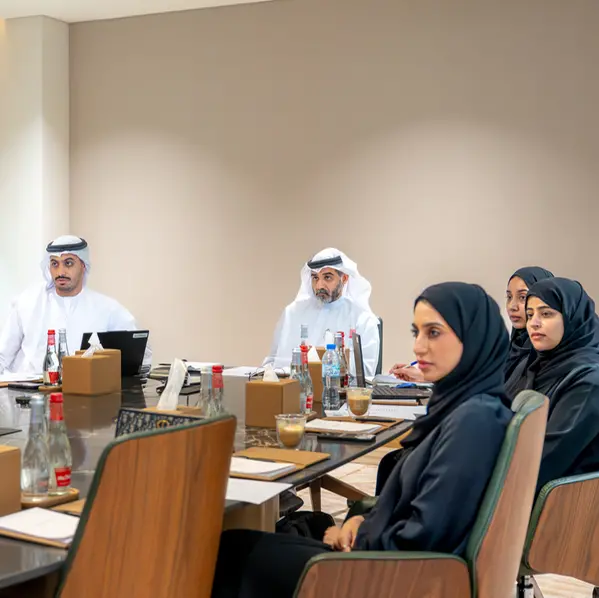
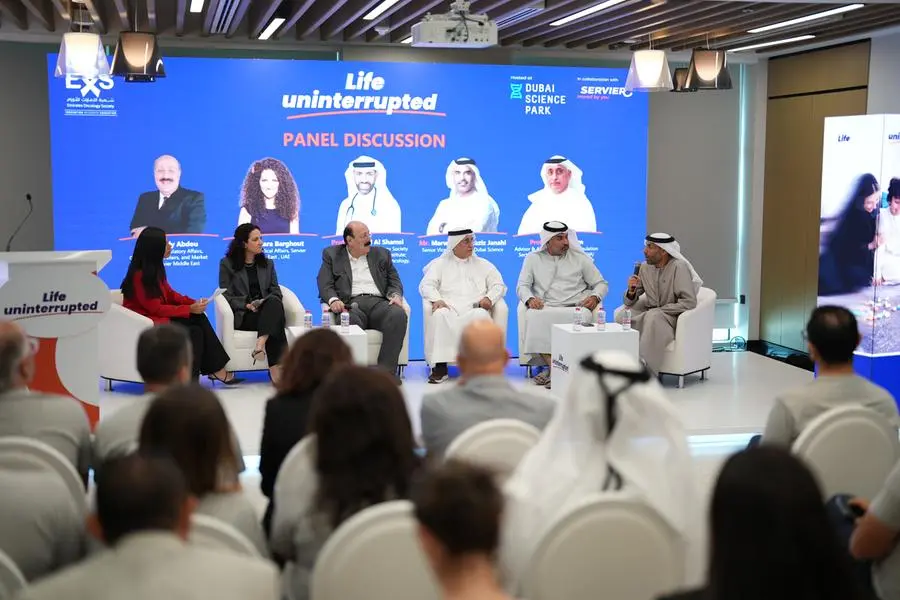
Dubai, UAE – Marking Grey May, the international month for brain tumor awareness, leading healthcare leaders gathered in Dubai to examine how innovation in precision oncology can translate into better outcomes for patients in the UAE and beyond. The Emirates Oncology Society (‘EOS’), in collaboration with Servier Pharma FZ LLC (‘Servier Middle East’) and hosted at Dubai Science Park, convened a high‑level panel discussion titled “Can We Do Better? Advancing Precision Oncology in the UAE.”
Why This Conversation Matters Now
The conversation takes place at a moment when precision therapies are beginning to reshape clinical practice across the Gulf, offering new possibilities for people living with rare and complex cancers.
Rare cancers, defined as those occurring in fewer than 6 per 100,000 people, remain among the most challenging to detect and treat.[1] In the UAE, cancer is the third leading cause of death in the UAE, with brain cancer ranking tenth among malignancies and 2.9% of primary cancers originating in the nervous system[2], underscoring the need for earlier detection, coordinated pathways, and equitable access to next‑generation treatments.
A Shared Commitment to Equitable Cancer Care
The panel brought together leaders from government, regulation, academia, clinical practice, and industry to explore how the UAE can further strengthen precision oncology. The discussion highlighted therapies that empower communities to embrace each day with greater confidence, moving towards improved quality of life.
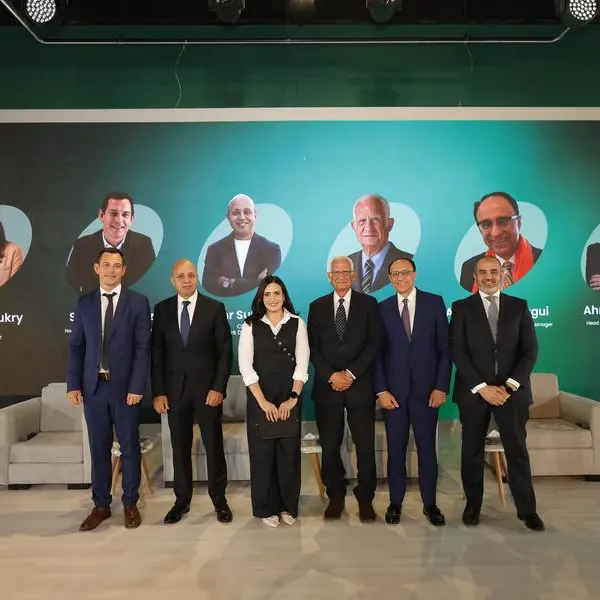
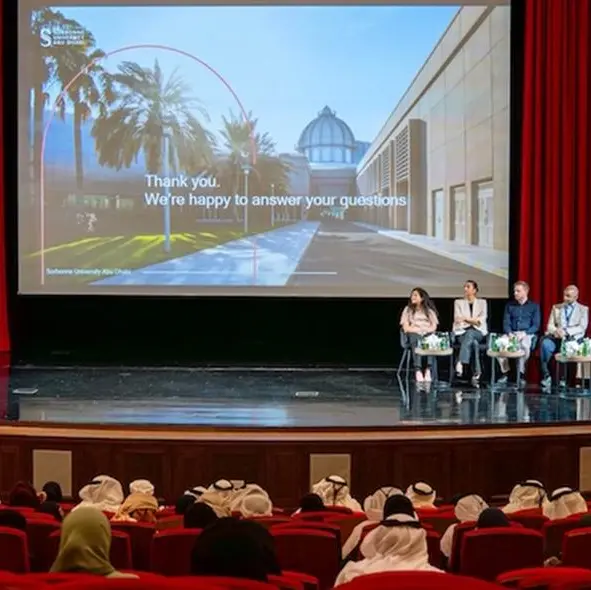
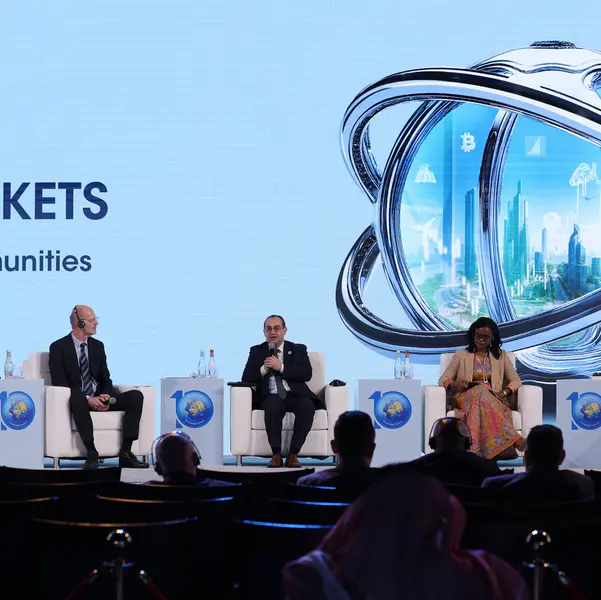
In attendance was Dr. Shaikha Almazrouei, Director of Reference National Laboratory, Emirates Drug Establishment (EDE). Contributing to the discussion as panelists were Marwan Abdulaziz Janahi, Senior Vice President of Dubai Science Park, part of TECOM Group; Prof. Humaid Al Shamsi, President of EOS, who also serves as CEO, Burjeel Cancer Institute and Adjunct Clinical Professor of Oncology, University of Sharjah; Dr Younis Qazzim, Director General Advisor, Acting CEO of Public Health, Dubai Health Authority (DHA); Magdy Abdou, Director of Regulatory Affairs, Governmental Affairs, and Market Access, Servier Middle East; and Tamara Barghout, Director of Medical Affairs, Servier Middle East.
The discussion, opened by Salam Alfeel, Health Lead Editor and Medical Media Advisor, and moderated by Jumana Nabulsi, Healthcare Public Affairs Director, centered on four key themes: the UAE’s role in setting regional benchmarks in cancer care, embedding scientific and technological innovation, strengthening end‑to‑end care pathways, and how precision oncology can contribute to broader population health and wellbeing goals. With a shared commitment to securing patient-centered outcomes, the diverse panel discussed progress in brain cancer care, including a Servier-led spotlight on real patient journeys and the impact of new treatments on quality of life and daily living.
Leaders Speak to What Patients Need Most
Commenting on the event, Prof. Humaid Al Shamsi, President of EOS, said: “Grey May reminds us that brain tumors place a profound burden on patients and families, and glioma remains among the most challenging. This discussion is about turning awareness into action – identifying where progress is being made and where better coordination is needed so that every patient can benefit.”
Sharing this perspective, Marwan Abdulaziz Janahi, Senior Vice President of Dubai Science Park, part of TECOM Group, said: “Dubai Science Park plays a key role in bringing together the stakeholders across the healthcare ecosystem and enabling the environment for meaningful collaboration. By hosting such initiatives, we are supporting ongoing efforts to strengthen outcomes for patients, particularly in critical areas such as oncology.”
Echoing this sentiment, Magdy Abdou, Director of Regulatory Affairs, Governmental Affairs, and Market Access, Servier Middle East, said: “Our work is guided by a purpose that puts patients at the center of every scientific decision we make. Breakthrough innovation only matters when it reaches the people who need it, and the UAE has created an environment where that can happen.”
The panel aligns with a wider national vision. Through ‘We the UAE 2031’, the National Strategy for Wellbeing 2031 and the UAE Centennial 2071, the country is building a health system where innovation is consistently translated into timely, high‑quality care.
Source: EOS and Servier
[1] https://pmc.ncbi.nlm.nih.gov/articles/PMC12110169/
[2] https://pmc.ncbi.nlm.nih.gov/articles/PMC7427280/