PHOTO
- Conducted in-depth discussions on developing comprehensive and sustainable models to enhance quality of life
- Examined the role of flexible partnerships and adaptive education models in human capital development
- Assessed the impact of financial innovation on advancing gender parity
- Promoted the integration of ethical and spiritual values to foster more collaborative work environments and community cultures
- Explored the future of the retail and hospitality sectors amid technological advancements
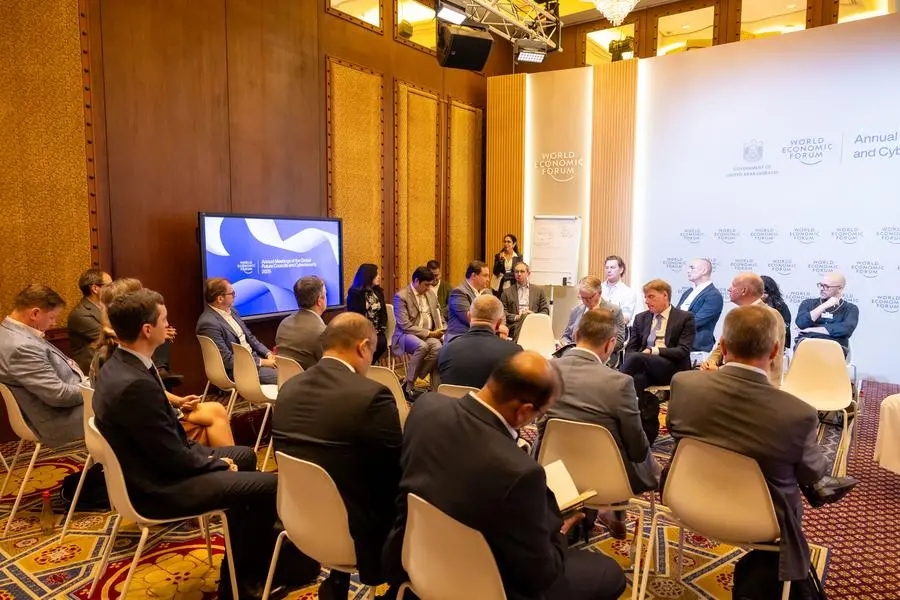
Dubai, UAE – Inclusive and sustainable societies were identified as key requirements for ensuring a high quality of life as officials and experts from around the world presented their visions at the Annual Meetings of the Global Future Councils 2025, organised in Dubai by the UAE Government in collaboration with the World Economic Forum (WEF).
Under the Society theme, the 2025 edition of the event hosts four Global Future Councils dedicated to: Experience and Lifestyle Economy, Investing in Gender Parity, Faith in Action, and Human Capital Development. Members of these Councils explored strategies to secure a better future for communities worldwide, focusing on initiatives that enhance quality of life for individuals, promote inclusive models of sustainable development, and advance care economies as a fundamental pillar of social progress.
With high-ranking officials, experts, scientists, and specialists joining as members, the Councils engaged in extensive discussions on the need to develop comprehensive and sustainable models that enhance quality of life and foster social cohesion.
Council members called for innovating in lifestyle and social care, promoting equality and empowerment across all segments of society, and cultivating ethical and spiritual values that support more cooperative and humane workplaces and community cultures. They also highlighted the importance of developing human capital through continuous education and training, which enables societies to keep pace with rapid change and achieve sustainable, inclusive development.
Resilient Economic Systems
The Global Future Council on Experience and Lifestyle Economy examined the profound transformations experienced by the retail, hospitality, and entertainment sectors in recent years, driven by rapid technological advancement. Members noted the need to reinvent the consumer experience by developing sophisticated and personalised approaches to shopping, travel, and entertainment, by leveraging tools, such as artificial intelligence, while preserving cultural identity and the value of physical experiences.
Furthermore, Council members explored strategies to reinforce public-private partnerships to build resilient economic systems that enhance quality of life and respond effectively to shifts in the global economy.
Gender Parity as an Investment Indicator
The Global Future Council on Investing in Gender Parity examined the role of innovation in addressing gaps in financial services, wealth, and investment. Council members explored the potential of adopting gender parity as a key indicator for assessing investment impact and considered how such a measure could redirect resources towards projects that enhance women’s participation and promote greater financial equity and sustainability at the national and global levels.
More Humane Corporate Cultures
The Global Future Council on Faith in Action discussed the role of values- and faith-based frameworks in reducing disparities and bridging political, social, and economic divisions worldwide by fostering leadership grounded in shared principles.
Members of the Council discussed the implications of integrating faith-informed ethical principles into corporate governance and human resources practices, highlighting their potential to cultivate more collaborative and human-centric workplace cultures that support well-being, social progress, and an enhanced quality of life.
Flexible Partnerships to Keep Up with Technological Advancement
The Global Future Council on Human Capital Development examined the changes driven by emerging technologies in education, skills acquisition, and competency assessment, as well as the challenges these pose to traditional systems and conventional academic and professional accreditation pathways.
Council members underscored the importance of cultivating effective partnerships between educational institutions, on one hand, and both the public and private sectors, on the other, in order to develop talent and implement adaptable lifelong learning models that align with the requirements of the modern era of advanced intelligence.
A Unified Platform for Future Makers
Bringing together over 700 experts from 93 countries, the Global Future Councils 2025 featured 37 Councils that cover six broad themes: Technology, Economy, Society, Environment, Governance, and Health. The Councils provided a unique international platform for dialogue and collaboration on strategies for shaping the future and driving advancement across vital sectors to enhance quality of life and create opportunities for generations to come.
The landmark initiative marks a significant milestone in the longstanding strategic partnership between the UAE Government and the World Economic Forum. Over the past 16 years, the collaboration has hosted more than 900 Global Future Councils, engaging over 12,000 officials, experts, and specialists, and tackling a broad range of issues critical to humanity’s present and future.