PHOTO
A dismal year for the U.S. dollar is ending with signs of stabilization, but many investors believe the currency's decline will resume next year as global growth picks up and the Fed eases further.
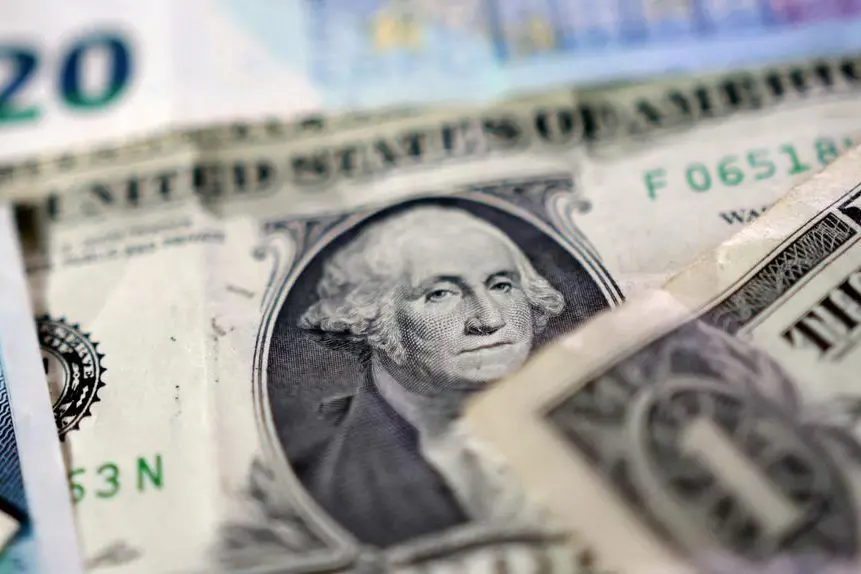
The U.S. dollar slumped 9% this year, against a basket of currencies, putting it on pace for its worst showing in eight years, driven by expectations of Federal Reserve rate cuts, shrinking interest rate differentials with other major currencies, and as concerns about U.S. fiscal deficits and political uncertainty swirled.
Investors broadly expect the dollar to weaken further as other major central banks stand pat or tighten policy and as a new Fed Chair takes charge - a change that is expected to herald a more dovish tilt for the central bank.
The dollar typically falls when the Fed cuts rates as lower U.S. interest rates make dollar-denominated assets less attractive to investors, reducing demand for the currency.
"The reality is we still do have an over-valued U.S. dollar from a fundamental standpoint," Karl Schamotta, chief market strategist at global corporate payments company Corpay, said.
Getting the dollar's trajectory right is important for investors, given the currency's central role in global finance.
A weaker dollar boosts U.S. multinational earnings by increasing the value of overseas revenues when converted back to dollars, even as it enhances the attractiveness of international markets by providing an FX boost beyond the underlying asset performance.
Despite the dollar's rebound in recent months - the dollar index is up nearly 2% from its September low - FX strategists have largely maintained forecasts for a weaker dollar in 2026, a Reuters survey conducted from Nov. 28 to Dec. 3 showed.
The dollar's real broad effective exchange rate - its value relative to a large basket of foreign currencies, adjusted for inflation - stood at 108.7 in October, down only slightly from a record high of 115.1 in January, showing that the U.S. currency still remains overvalued, according to Bank for International Settlements data.
GLOBAL GROWTH
Expectations for dollar weakness hinge on converging global growth rates with the U.S. advantage expected to narrow as other major economies gain momentum.
"I think what's different is that the rest of the world is just going to grow more next year," said Anujeet Sareen, portfolio manager at Brandywine Global.
Germany's fiscal stimulus, China's policy support, and improved growth trajectories in the euro zone are expected to reduce the U.S. growth premium that has supported the dollar in recent years, investors said.
"When the rest of the world is starting to look better in terms of growth, that's favorable for the dollar to continue to weaken," Paresh Upadhyaya, director of fixed income and currency strategy at Amundi, the biggest European asset manager, said.
Even investors who believe the worst of the dollar's decline is over say any major hit to U.S. growth could weigh on the currency.
"If you see any weakness at any point next year, that could probably be bad for markets, but that could definitely affect the dollar too," said Jack Herr, investment analyst at mutual fund company GuideStone Funds, who doesn't foresee major further dollar depreciation as his base case for 2026.
CENTRAL BANK DIVERGENCE
Expectations for the Fed to continue cutting rates even as other major central banks hold rates or hike could also weigh on the dollar.
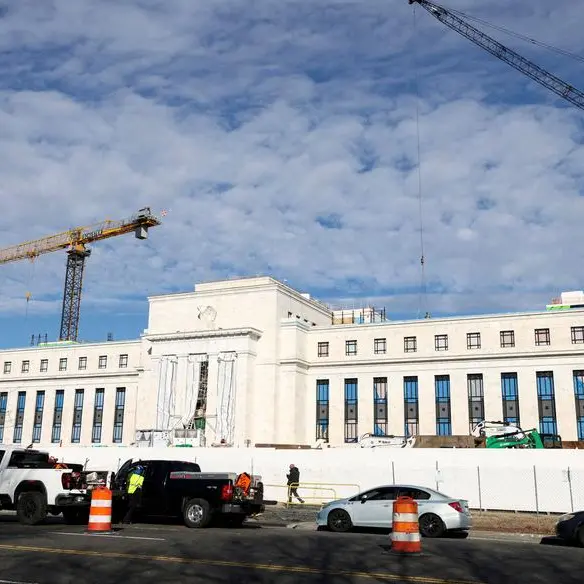
A sharply divided Fed cut interest rates in December, with the median policymaker view for next year calling for one more quarter-of-a-percentage-point cut.
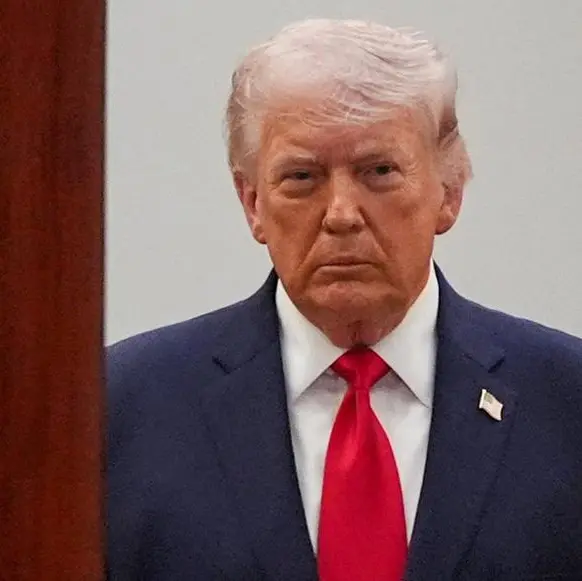
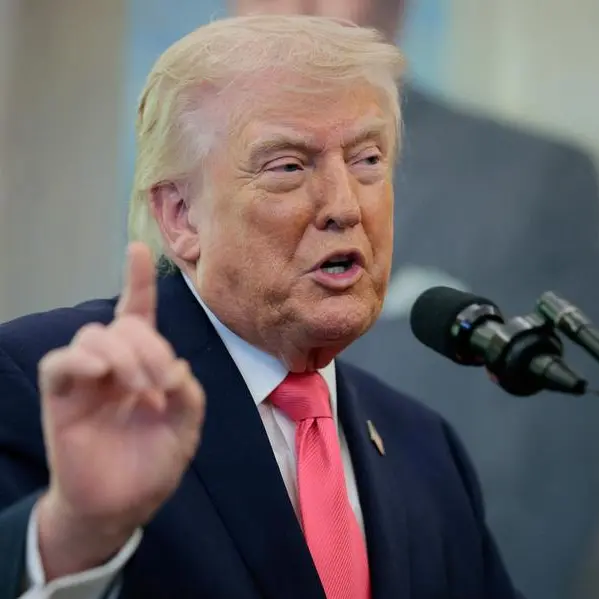
With Jerome Powell set to step aside for President Trump's next Fed chair appointment, the market may also price in a more accommodative central bank next year, given Trump's push for lower rates.
Several of the known finalists for the Chair position, including White House economic adviser Kevin Hassett, former Fed Governor Kevin Warsh and current Fed Governor Chris Waller, have advocated for interest rates to be lower than they are now.
"Although the market expects limited action from the Federal Reserve next year, we believe the trend is toward lower growth and weaker employment," Eric Merlis, co-head of global markets, Citizens in Boston, who said they are short the U.S. dollar relative to other G10 currencies.
Meanwhile, traders reckon the European Central Bank will keep rates steady in 2026, though a rate hike is not completely ruled out. The ECB kept its policy rates steady at its December meeting and revised upwards some of its growth and inflation projections.
NOT A STRAIGHT LINE
Longer-term views for dollar weakness notwithstanding, a near-term rebound for the dollar is not to be ruled out, investors cautioned.
Continued investor enthusiasm around artificial intelligence and the resulting capital flows into U.S. equities could provide near-term support for the dollar.
The boost to U.S. growth stemming from the reopening of the government after this year's shutdown and from the tax cuts passed this year, could lift the dollar in the first quarter, Brandywine's Sareen said.
"But we're inclined to think that that's not likely a sustained driver of the dollar for the year," he said.
(Reporting by Saqib Iqbal Ahmed; Additional reporting by Laura Matthews, editing by Megan Davies and Anna Driver)