PHOTO
JOHANNESBURG - Washington's one-year extension of its preferential trade programme for Africa will deliver only a short-lived reprieve for the continent, analysts said, with South Africa's inclusion remaining tenuous amid strained diplomatic relations. U.S. President Donald Trump signed a law on Tuesday extending the African Growth and Opportunity Act until the end of the year. Enacted in 2000, AGOA offers duty-free and quota-free access to the U.S. market to thousands of products from the 32 eligible African nations.
"Trump's Liberation Day tariffs effectively negate AGOA," Brendon Verster, senior economist at Oxford Economics, said in a note. The extension only gives some certainty for existing exporters and Trump has the power to remove nations, Verster said.
"The extension is better than a termination, but it doesn't represent a stable long-term solution."
AGOA beneficiaries are expected to adhere to eligibility requirements around maintaining market-based economies and good governance as well as eliminating barriers to U.S. investments and trade, with Washington carrying out regular reviews.
SIMMERING TENSIONS BETWEEN WASHINGTON AND PRETORIA
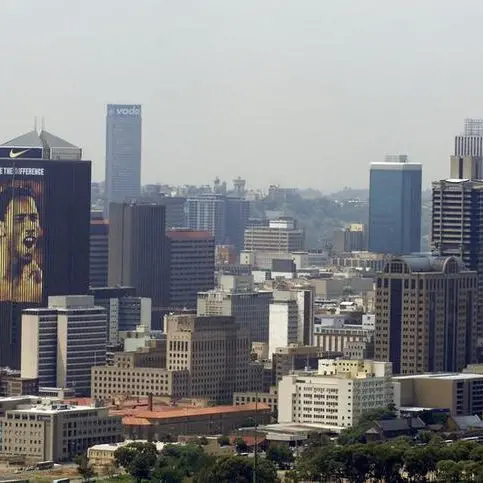
The focus is now shifting to what the move might mean for South Africa, with relations between Pretoria and Washington precarious as political frictions simmer. Trump has objected to South Africa's efforts to address racial inequality and stayed away from events organised under Pretoria's presidency of the G20 last year. U.S. tariffs on South African exports hover at 30%.
Yet with not all goods covered by Trump's tariffs, duty-free trade would still apply in some cases, according to Oxford Economics' Verster.
For now, not being out is a positive, say analysts.
"We believe this is a relief as there were many times in 2025 that we expected AGOA to be done away with, or South Africa to be excluded," said Gina Schoeman at Citi. "In fact, we are surprised South Africa has not yet been excluded after warnings from some within the Trump Administration that it should be."
AGOA eligibility is determined each year by the U.S. president but Washington can also suspend countries outside the annual decision in out-of-cycle reviews.
Citi calculates that an exclusion of South Africa would hit the local automotive manufacturing sector, and to a lesser extent the agricultural sector, but in its entirety trim GDP growth by 0.2 percentage points.
"This doesn’t mean it doesn’t matter because it would still signal concerns about longer-term US-SA relations," Schoeman added.
South Africa's Trade Minister Parks Tau cautiously welcomed the extension.
"We do think it's important we’ve been included," said Tau on Wednesday. "It creates a platform for us to continue to have constructive talks."
CAN'T RELY ON THE GOODWILL OF OTHERS
The value of U.S. imports from AGOA beneficiaries rose 37% from 2001 to end-2021, a U.N. trade agency study showed. Imports more than doubled when stripping out fluctuating U.S. demand for Angolan and Nigerian petroleum products.
South Africa, the continent's most industrialised economy, enjoyed the lion's share of benefits.
The U.S. trade agency said in the coming days, it would be working with relevant agencies to give effect to any modifications made to the U.S. Harmonized Tariff Schedule as a result of the legislation reauthorising AGOA. Meanwhile, African nations are boosting economic ties beyond the United States. Nigeria entered into trade agreements with the UAE. Kenya recently finalized a trade deal with China.
In a statement on Wednesday, Kenya Private Sector Alliance CEO Carole Kariuki said the signing of this act provided the immediate certainty required to maintain investor confidence and protect existing jobs. Speaking in Johannesburg at an event, Afreximbank President George Elombi called on African nations to accelerate intracontinental trade under the African Continental Free Trade Area (AfCFTA).
"The fate of our economies and the destiny of African people can no longer be tied to the benevolence of others," Elombi said.