PHOTO
Abdulrahman Al Awar:
- The Federal decree–law on Higher Education and Scientific Research represents a qualitative shift in the development of the UAE’s higher education system
- Higher education institutions are partners in building and developing the higher education and scientific research system and strengthening its global competitiveness
- The law establishes a flexible and enabling legislative framework that transitions the system from an input- and procedure-focused approach to an outcomes-based model, enhancing alignment with labour market needs
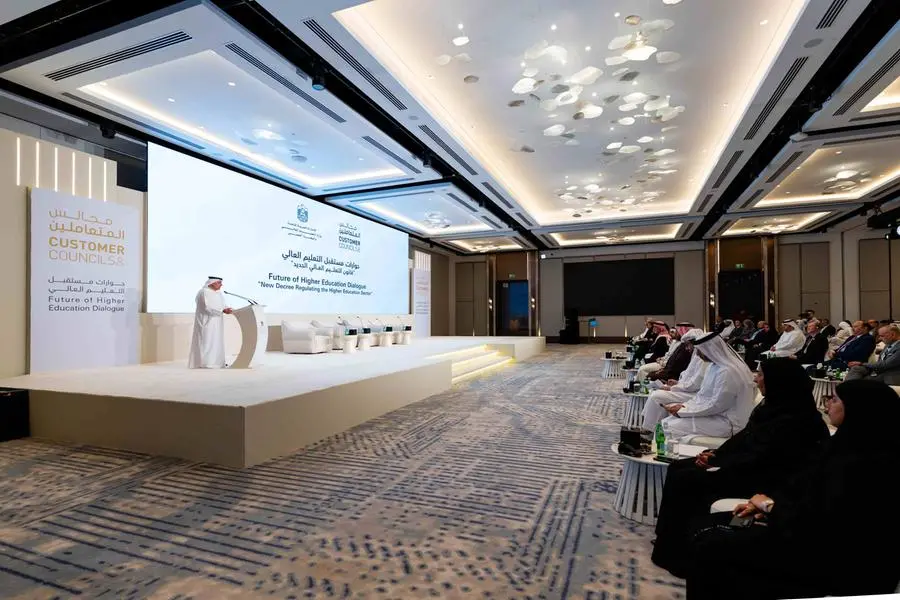
Dubai, United Arab Emirates: The Ministry of Higher Education and Scientific Research (MoHESR) has organised the first dialogue session under its Customer Councils initiative, entitled ‘Future of Higher Education Dialogues’, aimed at discussing the recently issued Federal Decree-Law on Higher Education and Scientific Research and highlighting its practical implications for the higher education system in the UAE.
In his opening remarks, His Excellency Dr. Abdulrahman Al Awar, Minister of Human Resources and Emiratisation and Acting Minister of Higher Education and Scientific Research, stated that the Federal decree–law on Higher Education and Scientific Research represents a qualitative shift in the development of the UAE’s higher education system. It considers higher education institutions (HEIs) as partners in building and developing the system and strengthening its global competitiveness. Furthermore, it establishes a flexible and enabling legislative framework that transitions the system from an input- and procedure-focused approach to an outcomes-based model, enhancing alignment with labour market needs.
His Excellency Dr. Al Awar further emphasised that the decree-law reinforces the principle of institutional integration between the Ministry and local authorities regulating higher education, ensuring unified frameworks and coordinated efforts across the UAE. He explained that the decree-law places particular emphasis on data integration and exchange with HEIs as a core element in enhancing transparency, improving the quality of planning and supporting data-driven decision-making based on up-to-date and reliable information, while ensuring effective implementation and follow-up.
His Excellency also affirmed that the ‘Future of Higher Education Dialogues’ initiative, which commenced in Dubai and will extend to other emirates in the coming days, underscores the Ministry’s commitment to ongoing engagement with HEIs to ensure optimal implementation of the decree-law’s provisions and the achievement of its objectives.
“The issuance of the decree-law followed a comprehensive review and evaluation of previous experiences, extensive engagement with stakeholder feedback across the system, benchmarking against international best practices and anticipation of future challenges and opportunities,” His Excellency Dr. Al Awar said.
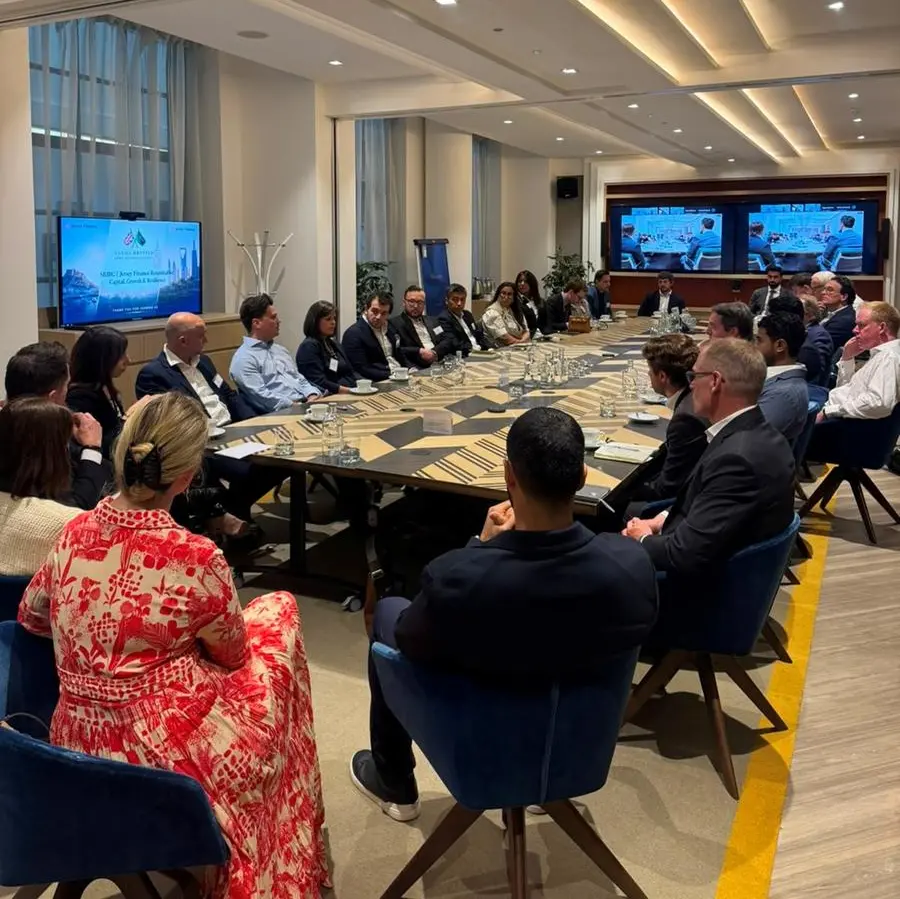
The dialogue session, attended by approximately 200 representatives from HEIs and technical and vocational education and training (TVET) institutions, reviewed the key features of the new law, which provides a clearer and more flexible framework to support innovation, enhance the quality of educational and research outcomes and keep pace with global developments and technological advancements.
The session highlighted several pillars of the decree-law, including the unification of national frameworks for licensing, accreditation, classification and quality assurance; the regulation of digital, online and blended learning; and the alignment of higher education and scientific research systems with global best practices, enhancing the sector’s competitiveness and international attractiveness.
The session also focused on the pivotal role of data exchange between educational institutions and the Ministry in streamlining and accelerating procedures, enabling institutions to better analyse and utilise their data for planning and development purposes and ensuring the availability of accurate, reliable and real-time information for students and stakeholders across the system.
The session featured open discussions and interactive dialogue, during which questions regarding the new law and its implementation mechanisms from representatives of HEIs and TVET institutions were addressed.
This session is part of the Ministry’s Customer Councils initiative, reflecting its commitment to an institutional partnership approach and to constructive dialogue with HEIs and stakeholders. This approach aims to develop a higher education system that is more efficient, flexible and competitive, capable of preparing students for the future labour market and enhancing their readiness to contribute to the UAE’s sustainable development journey.
For further information, please contact:
| Maher Al Bash | Sara Abuhassira |