PHOTO
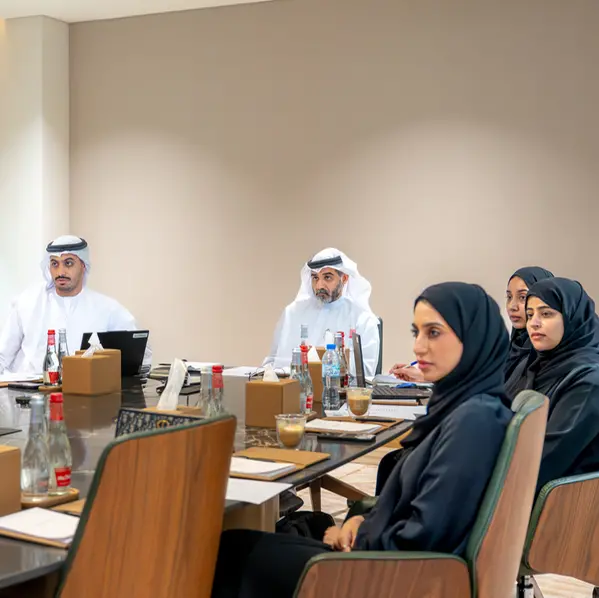
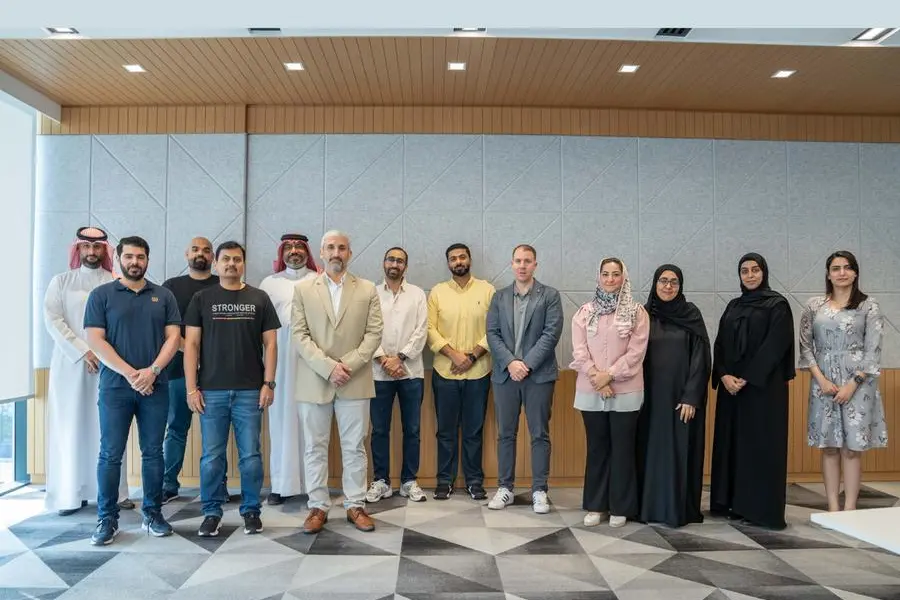
Manama – The Bahrain Institute of Banking and Finance (BIBF), in strategic partnership with Swiss Re Institute, has successfully concluded the second edition of the Insurance Management Simulation (IMS) programme, held over three days at the BIBF Campus. The programme brought together senior executives and specialists from leading local and regional insurance companies, in addition to representatives from regulatory authorities.
The IMS programme is recognised as one of the most prominent hands-on training initiatives in the insurance sector, offering participants the opportunity to manage a virtual insurance company within a realistic simulation environment. Through the programme, participants navigate core challenges related to underwriting, capital allocation, solvency management, and strategic decision-making within a competitive market setting that mirrors real-world conditions. This experiential model strengthens participants’ understanding of operational dynamics while enhancing analytical and leadership capabilities and developing managerial competencies across national and regional talent pools.
Now delivered for the second consecutive year following the strong success of the previous edition, the programme reaffirms the Institute’s commitment to supporting the advancement of the insurance industry and strengthening the skills and readiness of its workforce in line with international best practices. The IMS also forms part of a broader collaboration between BIBF and Swiss Re Institute, comprising three major initiatives in 2025: the Board of Directors Training Programme, the Insurance Innovation Promptathon, and the Insurance Management Simulation, further positioning the Kingdom of Bahrain as a leading regional hub for insurance and reinsurance talent development.
Commenting on the occasion, Dr. Ahmed Abdul Hameed Al Shaikh, Chief Executive of the BIBF, stated:
“Delivering the IMS programme for the second year reflects the Institute’s dedication to providing high-quality training that keeps pace with global developments in the sector. This initiative plays a vital role in equipping national talent with the knowledge and skills required to support the growth and sustainability of Bahrain’s insurance market. We are proud of our strategic partnership with Swiss Re Institute, which further enhances the industry’s competitiveness and professional standards.”
For her part, Ms. Manal Mashkoor, Head of the Insurance Centre at the BIBF, highlighted the programme’s value to the sector, noting: “The IMS programme offers an advanced training model that integrates international expertise with practical application. It plays an essential role in strengthening the leadership and executive capabilities of professionals across the insurance industry. At the Centre, we remain committed to providing programmes that address market needs and support professional growth for both organisations and individuals.”
This adds an important aspect to the purpose of this programme, as explained by Rolf Bachmann, who is responsible at Swiss Re Executive Education for strategic partnerships in the Middle East: "We created this simulation programme to provide insurance professionals with a comprehensive and holistic understanding of the core insurance business model and the critical role of reinsurance. Partnering with BIBF in Bahrain over the past two years has been instrumental in advancing insurance talent across the region, equipping them with insights into key value drivers and essential aspects of our industry."
For over four decades, BIBF’s Insurance Centre has maintained its commitment to developing regional human capital in the insurance sector by offering a wide range of learning and training opportunities designed to improve performance across all industry functions. The Centre emphasises international educational standards and delivers a balanced approach combining theoretical learning with practical application, supported by globally recognised bilingual professional qualifications in partnership with leading international institutions.