PMI climbs to 17-month high in January
Riyadh Saudi Arabia’s non-oil private sector saw a further improvement in growth momentum at the start of 2017 amid reports of favourable economic conditions and improving underlying demand. The latest upturn was led by sharp increases in output and new business, with data also pointing to improved client demand across foreign markets. Employment increased only marginally, however, despite rising volumes of unfinished work. On the price front, charges rose for the third successive month amid a further increase in input costs.
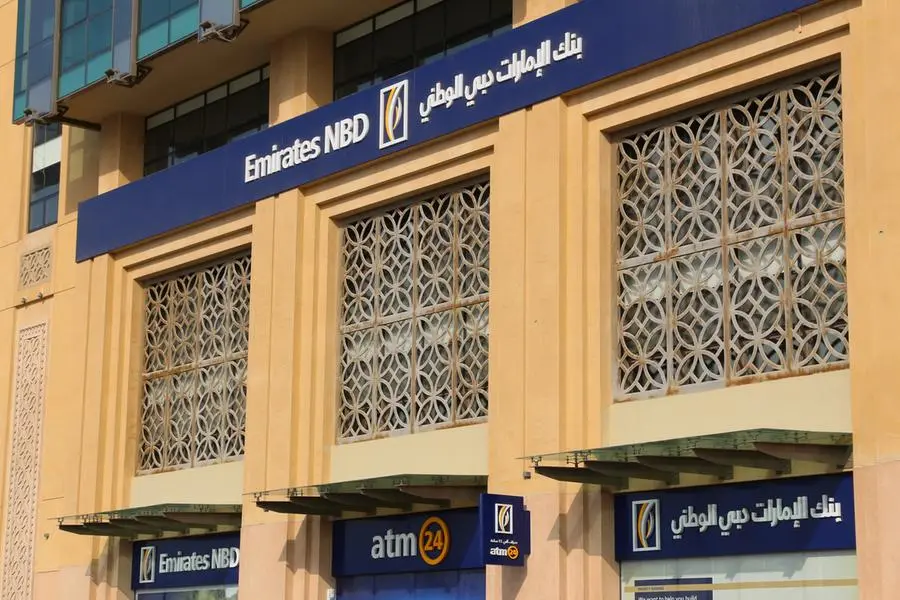
The survey, sponsored by Emirates NBD and produced by IHS Markit, contains original data collected from a monthly survey of business conditions in the Saudi private sector.
Commenting on the Emirates NBD Saudi Arabia PMITM, Khatija Haque, Head of MENA Research at Emirates NBD, said.
“The rise in Saudi Arabia’s PMI to the highest level in 17 months is an encouraging start to the year, particularly as it reflects faster output and new order growth in January. Firms also appear to be more optimistic about the coming 12 months.”
Key Findings
- Output expands at sharpest rate since August 2015
- New order growth reaches 14-month high
- Staff numbers rise only slightly
The headline seasonally adjusted Emirates NBD Saudi Arabia Purchasing Managers’ Index™ (PMI) – a composite gauge designed to give a single-figure snapshot of operating conditions in the non-oil private sector economy – rose from 55.5 in December to 56.7 at the start of 2017 and was consistent with a solid improvement in overall business conditions. Notably, it was the strongest rate of improvement seen for nearly one-and-a-half years.
Stronger growth in output was a key factor leading to an increase in the headline index during January. Output expanded at the strongest rate in 17 months. Anecdotal evidence linked the latest increase to improved market demand.
Volumes of incoming new business rose at the sharpest pace in 14 months in January. A number of panellists mentioned that promotional activities had resulted in sales. Another factor leading total new work to increase was a marked expansion in new export work, which reportedly occurred as firms offered internationally competitive prices.
Companies in Saudi Arabia’s non-oil private sector raised their input buying in order to cater for increased output requirements. Though weaker than the series average, the rate of expansion was sharp overall, and underpinned the fastest rate of inventory accumulation in 16 months.
Despite a further increase in backlogs of work, firms added to their workforce numbers only marginally during January. Higher staff numbers were generally linked to new project start-ups.
Prices data indicated that higher purchasing costs was the predominant driver of an increase in total input prices. Some firms passed on higher cost burdens to clients in the form of greater selling prices. However, the rate of output charge inflation was slight as firms faced intense market competition.
Delivery times improved to the least extent since October 2016 as the vast majority of survey respondents (91%) noted no change in average supplier performance.
Finally, the degree of positive sentiment improved to a five-month high. Companies expect market conditions to continue to improve and boost output over the coming 12 months.
-Ends-
© Press Release 2017