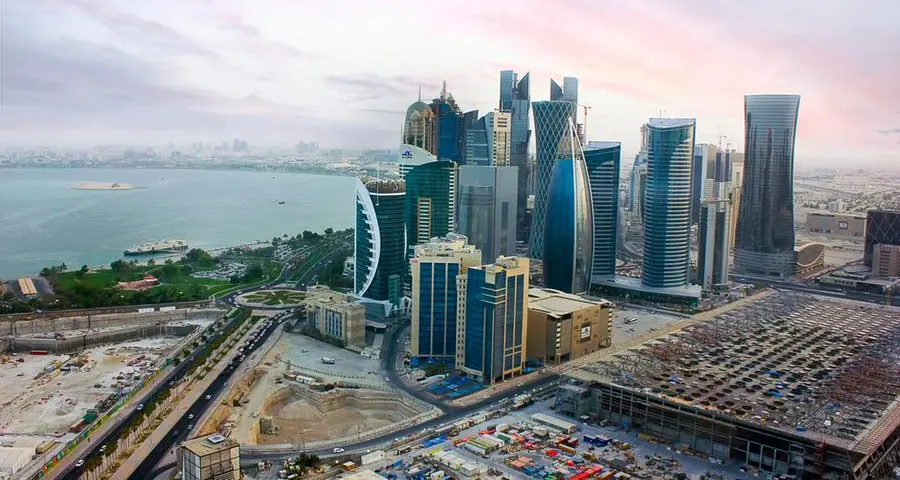
The Plastic products market in Dubai is considered one of the largest markets in the region. The sector has diversified into different products such as pipes, fiber,..etc. The versatility of plastic makes its industry one of the most heterogeneous, with links to a large number of economic sectors.
Figure 1 below shows the structure of the sector by type.

In 2004, the number of plastic establishments in the UAE reached 262 with more than 16 thousands of employees, of which Dubai represented around 40 percent.
The number of chemicals and petrochemicals, and plastic products companies at Jebel Ali Free Zone (JAFZA) increased during the period 2000 - 2004 by 72 percent on annual increase rate of 14.6 percent.
Figure 2 below shows the plastic establishments in the JAFZA.
There is considerable reliance on imported raw material. Almost 60% of the plastic imports are of raw materials, namely polymers of different types. The top import sources are Europe, Saudi Arabia, South Korea and Brazil. Raw polypropylene for plastic bags comes for the latter three countries. Meanwhile, the main import sources for the final products are China, India and Indonesia.
Dubai foreign trade of plastic
The steady growth of the plastic products market is reflected in Fig. 3, which highlighted the plastic imports during the period 2000 - 2004.
While production is mostly for the domestic market, Dubai plastic industry also exports a significant portion of its output. Packaging products such as bags and containers lead the exports by the tableware/kitchenware category. In 2004, Dubai's direct exports of plastic products reached AED 480 million, while re-exports reached AED 1.9 billion and imports totaled AED 5.2 billion over the same period.
From figure 3, it could be infered that plastic imports increased by 86 percent during the period 2000 - 2004 on annual growth rate of 16.7 per cent.
This could be attributed to the boom in the UAE's construction and real estate sectors in general and particularly Dubai is driving the demand for plastic products, especially plastic pipes, seamless tubes, plastic fittings and accessories used in plumbing and electric installations in buildings and drainage. This, in turn, is driving the growth of the plastics industry as well. Other factors is that the demand for household and other consumer plastic products and the need of plastic products for packaging because of a growing population and greater consumer spending.
Plastic Industry in UAE
The larger part of the domestic demand is covered by the manufacturing sector. Around 57 per cent of the demand has been served from local production. With the expansion of the non-oil economy, demand for plastic products has grown steadily.
At the GCC Country level, UAE ranked second in the plastic industry after Saudi Arabia. The most locally produced plastic product is the pipes and household products. UAE invested around AED 504 million, this has lead to a growth in plastic production, which over time will reduce dependence on imports.

The petrochemical industry in the UAE has witnessed a huge increase in the last decade, the value of investments in the sector in 2005 totaled AED 15 billion, which represented 22 per cent out of the total manufacturing investments in UAE.
According to DCCI membership database, there are 119 establishments manufacturing plastic & rubber products in Dubai. Their paid up capital totaled AED 1.3 billion with turnover of AED 1.3 billion by the end of first quarter 2006.
The plastic industry, as downstream activity in the oil industry, has a considerable potential for industrialization in the country as whole and particularly in Dubai. Development of a domestic petrochemicals industry is now gathering pace, which could considerably boost the development of small and medium size plants in the plastic industry.
Foreign companies can benefit from this industry in Dubai as it considered the leading regional trading hub that offers access to a market of outstanding potential in a wide range of sectors.
-Ends-
© Press Release 2006