SOLUTIONS to the logistics challenges arising from the boom in Arabian Gulf petrochemical production will create spin-offs for other industrial sectors involved in international trade.
The region is set to become the world's biggest user of sea transport, logistics services, and cargo-handling facilities as petrochemicals and plastics exports soar to 80 per cent of output.
Coping with this expansion is the main theme of MariChem Middle East 2005, taking place at the Intercontinental Hotel in Doha, Qatar, on April 24-26.
The forum gives major suppliers the opportunity to meet personally with shipping and logistics chain service providers to develop logistical strategies, instead of relying on the lengthy correspondence channels that have traditionally prevailed.
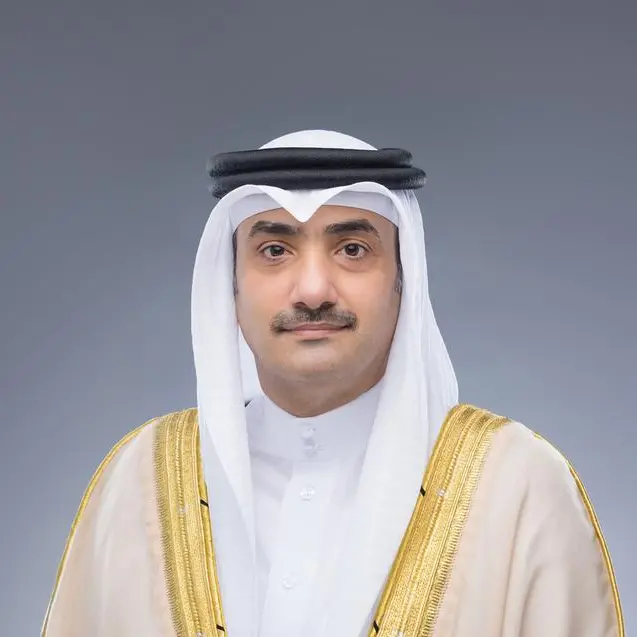
And the outcome will create a positive impact for the region's industry as a whole, says conference chairman Hamad Rashid Al-Mohannadi, who is vice-chairman and general manager of the Qatar Petrochemical Company (QAPCO).
"Although the immediate beneficiaries of MariChem action plans will be petrochemical suppliers, shipping and logistics supply-chain providers, and allied services, all industrial sectors that depend on import and export channels will benefit from the resulting improvements in the logistics supply-chain," he explained.
Close to 175 delegates from almost 30 countries are attending MariChem 2005, the fourth of the series organised by the London-based Turret Group Ltd.
The Gulf region is poised to overtake North America as the world's leading centre for petrochemical-related production, but despite relatively low feedstock costs, growth is hampered by proportionately higher shipping charges.
Shipping accounts for 39 per cent of costs for plastics producers in the Gulf, their biggest single overhead apart from raw materials, and the main objective of MariChem is to seek more cost-effective logistics solutions - especially in East Asian waters and along the China coast.
Speakers include HE Abdulla bin Hamad Al-Attiyah, Qatar's second deputy premier and minister of energy and industry; Dr Anwar Al-Abdullah, director of the GCC energy department; Homood Al-Tuwaijiri, vice-president, petrochemical co-ordination, SABIC; and Dr Werner Pratorius, president of the petrochemical division, BASF.
-Ends-
For further information, please contact:
John Macdonald,
Integrity Reputation Leadership Management,
Dubai
UAE,
T: 04 266 7487,
F: 04 266 7467,
M: +971 50 734 9619,
e-mail: john.macdonald@integrityrlm.com
© Press Release 2005