PHOTO
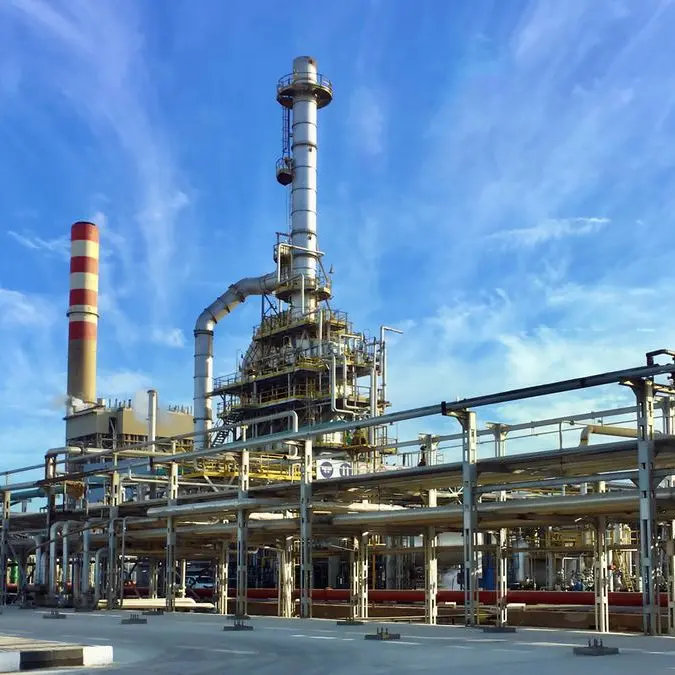
Oil prices fell on Thursday after the biggest jump in U.S. crude inventories in three years, with signs of weakness in the physical oil market also weighing on prices, while traders assessed U.S.-Iran talks.
Brent crude futures were down 95 cents, or 1.3%, at $69.90 a barrel by 1351 GMT. WTI futures lost $1.06, or 1.6%, to $64.36.
U.S. crude inventories rose by 16 million barrels last week, Energy Information Administration data showed on Wednesday.
Weakness in the North Sea physical oil market is also weighing on oil prices, said UBS analyst Giovanni Staunovo, adding that markets would focus on the outcome of Thursday's third round of U.S.-Iran talks.
Mediator Oman voiced hope that Iran and the United States would make more progress at talks on their nuclear dispute on Thursday after exchanging "positive and creative ideas" while a senior Iranian official said the talks were "serious".
The North Sea physical market underpins the Brent futures contract, prices of which have advanced by about 15% so far this year as potential military conflict between the U.S. and Iran has outweighed expectations of oversupply. Also on the supply side, Saudi Arabia is boosting oil production and exports in a contingency plan should any U.S. strike on Iran disrupt supplies from the Middle East, two sources familiar with the plan said on Wednesday. OPEC+, which groups members of the Organization of the Petroleum Exporting Countries and allies including Russia, is likely to consider raising oil output by 137,000 barrels per day in April, three sources with knowledge of OPEC+ thinking said as the group prepares for peak summer demand while prices remain strong.
Brent rose on Monday to its highest since July 31 as Washington positioned military forces in the Middle East to press Iran to negotiate an end to its nuclear and ballistic missile programme.
An extended conflict could disrupt supplies from Iran, OPEC's third-biggest crude producer, and other Middle East exporters.
"A constructive resolution would likely prompt the market to gradually unwind as much as a $10 per barrel risk premium," ING analysts said in a note.
(Reporting by Enes Tunagur in London Additional reporting by Shadia Nasralla, Yuka Obayashi in Tokyo and Emily Chow in Singapore Editing by Emelia Sithole-Matarise and David Goodman)