PHOTO
- Revenue grows 29.3% to KWD 25.9 million, while net profit rises 83.4% to KWD 2.4 million
- Store network reaches 249 locations, supported by 339,000 loyalty registrations and 100,000 active app users
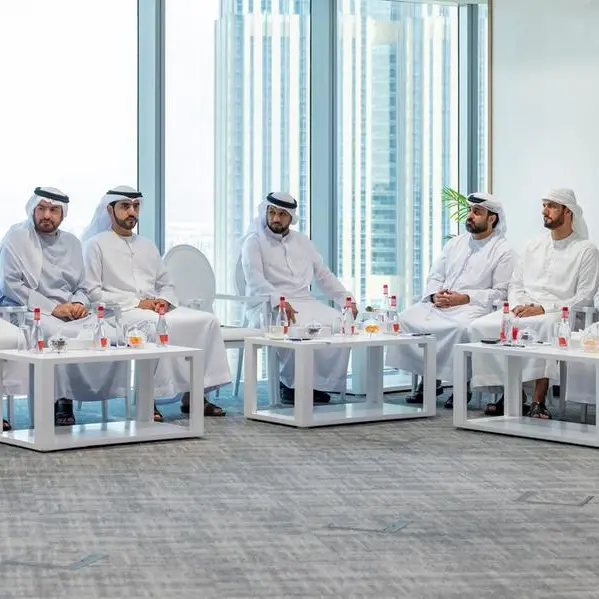
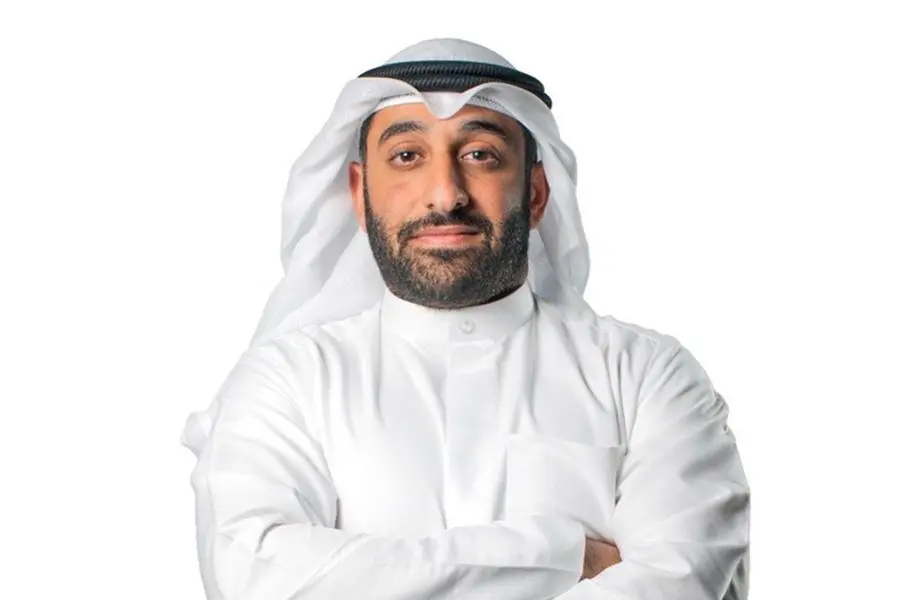
Kuwait City, Kuwait: Trolley General Trading Company, a convenience-led grocery retail platform listed on the Premier Market of Boursa Kuwait, held its Q1 2026 analyst and investor conference, marking the Company’s first earnings call following its successful listing on Boursa Kuwait. The conference was hosted by Arqaam Capital and attended by Mr. Mohammed Boodai, Vice Chairman and Group CEO, Mr. Peter Gabra, Group Deputy CEO and Managing Director of Trolley KSA, and Mr. Amgad Fikry, Group CFO.
During the conference, Trolley’s executive management team presented the Company’s financial and operational performance for Q1 2026, alongside the investment fundamentals supporting its business model and the strategic roadmap for the next phase of growth. Discussions focused on strengthening core operations in Kuwait, accelerating expansion in Saudi Arabia, scaling the Baqala Bodega model, and increasing the contribution of digital and recurring revenues streams along with lower-capital-intensity growth platforms.
Trolley delivered a strong performance during Q1 2026, with total revenue increasing to KWD 25.9 million, up 29.3% year-on-year. Growth was driven by higher store productivity, strategic network expansion, and increased contribution from rental and processing income. EBITDA increased to KWD 5.0 million, up 46.8% year-on-year, while net profit grew 83.4% to KWD 2.4 million, driven by operating leverage, and improved revenue mix.
Commenting on the results, Mr. Mohammed Boodai, Vice Chairman and Group CEO of Trolley, said: “Our first analyst conference following the listing marks an important milestone in Trolley’s journey as a publicly listed company, and reflects our commitment to transparent, consistent engagement with shareholders, analysts, and investors. Our Q1 performance demonstrates the strength of a business model built around high-frequency, non-discretionary consumer demand.
He added: “We are focused on translating expansion into sustainable profitability and cash flow, not simply top-line growth. Looking ahead, our priorities remain clear: strengthening our core business in Kuwait, accelerating the maturity of our Saudi operations, and developing more diversified revenue streams that support long-term shareholder value creation.”
A business model built around high-frequency demand
During the conference, Trolley presented the core strengths of its operating model built, which serves everyday consumer needs through a broad network of convenience stores located in high-traffic areas, including gas stations, residential neighborhoods, and recurring-demand catchments. This gives the Company a high degree of resilience across economic cycles, given its exposure to necessity-driven and frequent consumption patterns.
The Company operates through two complementary brands: Trolley, its flagship premium convenience format, and Baqala Bodega, its neighborhood convenience format designed to address a large and historically fragmented retail segment. Recurring and non-core revenue streams, including shop-in-shop rental income, digital channels, and app-based sales, continue to support revenue quality and diversification.
Online sales reached KWD 1.3 million during the first quarter, while loyalty program registrations reached 339,000 customers and active app users surpassed 100,000. These channels are becoming an increasingly important driver of customer engagement and overall sales performance.
A new phase focused on return optimization
Trolley’s management noted that the Company has evolved from a scale-building phase into a more focused period centered on stronger earnings quality, optimized returns, and a more diversified revenue mix. The strategy is anchored in improving the performance of its core Kuwait business, accelerating store maturity in Saudi Arabia, expanding Baqala Bodega in a disciplined manner, and using data and digital analytics to increase customer lifetime value.
Mr. Peter Gabra, Group Deputy CEO and Managing Director of Trolley KSA, said: ““Trolley is entering its next phase from a solid operational foundation. What we have built over the years through disciplined expansion, rigorous site selection, and the continuous development of our operating models now forms a strong platform that enables the company to move into a phase more focused on quality growth, enhanced return efficiency, and sustainable profitability. Our priorities for the coming period are to improve profit margins, deepen customer relationships, and continue selective expansion in locations and markets that demonstrate clear viability through measurable performance indicators.
In the Saudi market, the next phase represents an important opportunity for Trolley to strengthen its presence, expand the scale of its operations, and increase store productivity as branches progress along the operational maturity curve. The Bodega grocery model also provides a promising growth path, supported by more efficient capital requirements, greater operational flexibility, and stronger alignment with the needs of residential communities.
Digital transformation has also become a core pillar of Trolley’s business model, extending beyond its role as an e-commerce channel to become an integrated platform that connects the in-store experience with the loyalty program, targeted offers, and customer behavior analytics. Through this integration, Trolley is building a more efficient operating ecosystem with a stronger ability to maximize customer value by increasing purchase frequency, improving basket value, and developing new digital revenue streams, without a corresponding expansion in the fixed cost base. This further strengthens the company’s ability to deliver higher-quality growth and more sustainable profitability in the coming phase.”
The future growth engines presented by the Company include its asset-light franchise model, distribution channel, and central kitchen, which are designed to support faster expansion, improve margins, and unlock greater value from centralized sourcing, operational data, and platform-wide efficiencies.
Revenue growth supported by scale and improved mix
On the financial front, retail revenue increased to KWD 23.5 million in Q1 2026, up 26% year-on-year, driven by higher footfall, improved assortment, increased average basket size, and a faster contribution from new stores. Rental revenue increased to KWD 2.1 million, up 107.6% year-on-year, supported by renewed shop-in-shop contracts and processing fees related to sub-lease agreements.
In Kuwait, retail revenue grew 19% year-on-year, driven by strong like-for-like performance, improved store productivity, and selective openings in high-traffic locations. In Saudi Arabia, retail revenue reached KWD 4.1 million, growing 67% year-on-year, supported by new store openings, faster ramp-up of existing locations, and increasing brand awareness.
The Company’s store network expanded to 249 locations as of 31 March 2026, up 30.4% year-on-year, representing an increase of 58 stores compared to Q1 2025, including 16 new stores opened during the first quarter of 2026.
Profitability improves, supported by operating leverage and strong cash flow
Mr. Amgad Fikry, Group CFO of Trolley, said: “Q1 results clearly demonstrate our ability to translate growth into profitability and cash flow, with revenues increasing, margins improving, and earnings growing ahead of the top line. The 46.8% growth in EBITDA and 83.4% growth in net profit reflect operating leverage, an improved revenue mix, and the benefit of a larger and increasingly mature store base. Operating cash flow reached KWD 4.7 million, strengthening our financial flexibility and supporting our ability to fund growth within a disciplined capital allocation framework.”
He added: “Trolley maintained clear capital discipline during the quarter, with capex of KWD 0.5 million, equivalent to 1.8% of revenue. Spending remained focused on selected store openings, targeted refurbishments, and operational investments that support future growth. The Company also maintains a strong financial position and a net cash position, giving us the flexibility to pursue selective expansion, enhance returns, and support sustainable value creation for shareholders.”
Operating cash flow reached KWD 4.7 million during the quarter, while capex stood at KWD 0.5 million, equivalent to 1.8% of revenue. Gross profit increased to KWD 9.1 million, with gross margin improving to 35%, supported by revenue growth, a stronger revenue mix, shop-in-shop income, and continued control over wastage and shrinkage, which remained below 1% of retail revenue. Return on equity reached 27.9%, compared to 22.2% in Q1 2025, while the Company maintained a net cash position, with net debt to pre-IFRS 16 EBITDA standing at -1.5x.
Resilient performance despite seasonal and regulatory factors
Management also addressed the seasonal and regulatory factors that influenced certain consumption patterns during the first quarter. It noted Ramadan, along with temporary restrictions on select neighborhood grocery product segments, had a limited impact, with underlying demand remaining strong.
Trolley further noted that its centralized operating model and supply chain capabilities, developed over recent years, have strengthened its ability to manage inventory, maintain business continuity, and support product availability and service quality across its network.
Outlook
Looking ahead, Trolley remains focused on strengthening its core operations in Kuwait, accelerating growth and profitability in Saudi Arabia, developing Baqala Bodega in a disciplined manner, and increasing the contribution of higher-margin and lower-capital-intensity revenue streams, including rental income, private label, digital channels, franchising, and distribution.
The Company is well positioned to build on its Q1 momentum through continued expansion, stronger digital integration, and disciplined execution across its core markets. It also reaffirmed its commitment to maintaining transparent engagement with shareholders and the broader investment community.