PHOTO
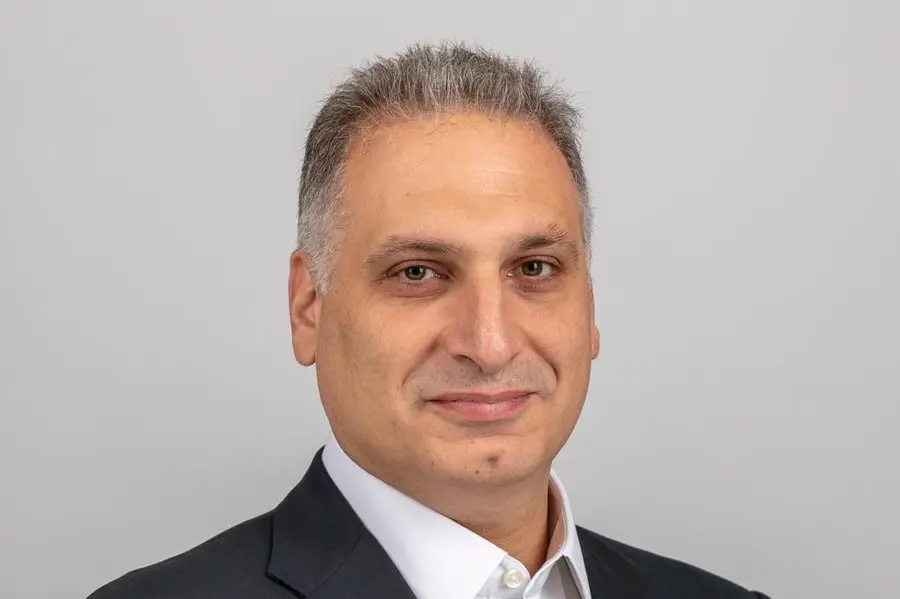
Francis Malige: This package underscores our commitment to fostering a more inclusive private sector in Egypt
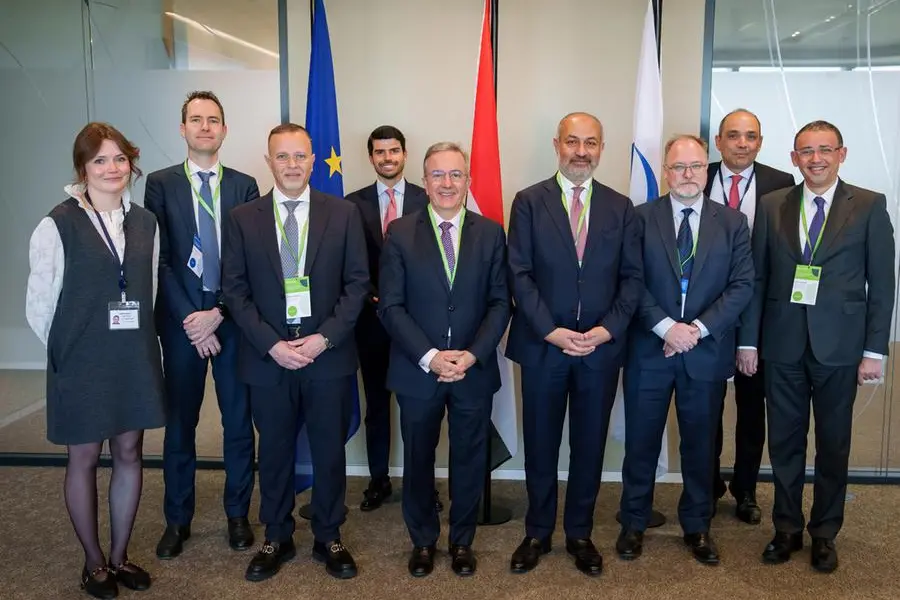
National Bank of Kuwait – Egypt has secured a US$ 50 million financing package from the European Bank for Reconstruction and Development (EBRD), supported by the European Union (EU), to expand access to finance for micro, small and medium-sized enterprises (MSMEs) and advance youth entrepreneurs across Egypt.
The new package comprises a US$ 30 million loan to be on-lent by NBK – Egypt to local private MSMEs, alongside a further US$ 20 million facility under the EBRD Youth in Business Programme, supported by the EU under the Egypt Micro and Small Financial Inclusion programme. This second tranche will be on-lent to local private MSMEs led or majority owned by entrepreneurs under the age of 35, with a focus on rural areas and supporting women-led enterprises.
The EBRD’s Youth in Business loan component will be complemented by a cash incentive of up 10 per cent for eligible sub-borrowers provided by the EU under its Egypt Micro and Small Financial Inclusion programme. It will also be accompanied by a first-loss risk cover, funded by the EBRD, a comprehensive technical cooperation package to assist NBK Egypt with programme implementation, marketing and general awareness raising, funded by the EBRD SEMED Multi-Donor Account (SEMED MDA), as well as capacity building for sub-borrowers, provided through EBRD’s Advice for Small Businesses (ASB).
This marks the second SME and Youth in Business engagement between the EBRD and NBK Egypt, following the successful financing package signed between the two institutions in 2022.
The EBRD’s Youth in Business programme enables young entrepreneurs to access critically needed financing and technical assistance to grow their small businesses via dedicated credit lines on-lent by banks and microfinance institutions. The credit lines are complemented by technical assistance for partner banks to strengthen their lending capacity.
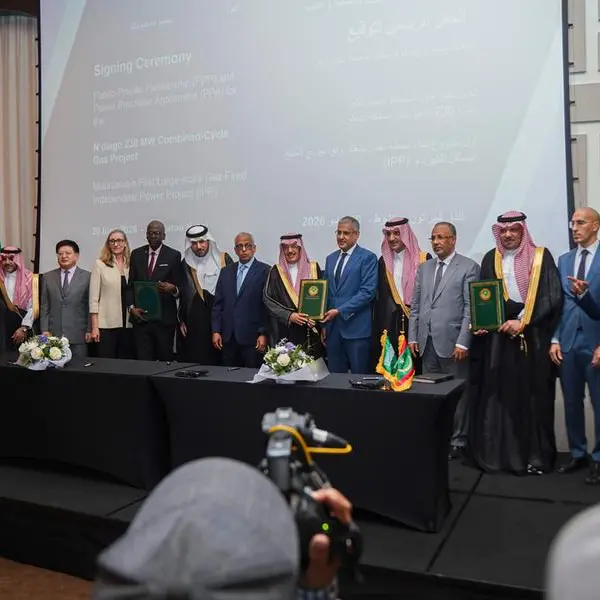
Commenting on the signing, EBRD’s Managing Director for Financial Institutions, Francis Malige, said: “This new financing package marks another important milestone in our long-standing partnership with NBK Egypt to keep supporting local SMEs, the backbone of the Egyptian economy. Our Youth in Business line will also support the Egyptian economy by providing financing to youth-led businesses, which remain highly underserved. With thanks to the EU, this package underscores our shared commitment to advancing a more inclusive private sector in the region”.
NBK Egypt’s Chief Executive Officer (CEO), Yasser El Tayeb said: “We are pleased to further strengthen our partnership with the EBRD through the signing of this new financing package, building on the success of our 2022 collaboration.
This financing will enable us to expand our financial solutions to support local businesses and stimulate broader economic activity, in line with National Bank of Kuwait’s ambitions for Egypt and its development priorities. The Youth in Business loan will also strengthen our ability to support youth-led MSMEs by enhancing their access to finance. We would like to express our sincere appreciation to the EBRD for its continued support and to the European Union for its valuable contribution.”
NBK Egypt is an Egyptian joint-stock company and a subsidiary of the NBK Group. It has been a partner of the EBRD since 2015, when the Bank provided an SME loan and a trade finance facility.
The loans were signed as part of EBRD third edition of its flagship high-level conference “Pathways to Paris 2026”, building on the success of our previous events in Vienna (2023) and Antalya (2024). The event was attended by several high-level representatives from financial institutions, central banks, regulators, investors, capital markets and other key stakeholders
to foster the transition to a low-carbon and climate-resilient future across the EBRD regions.
Egypt is a founding member of the EBRD, which has invested more than €14.3 billion in the country through 222 projects since it began operating there in 2012.