PHOTO
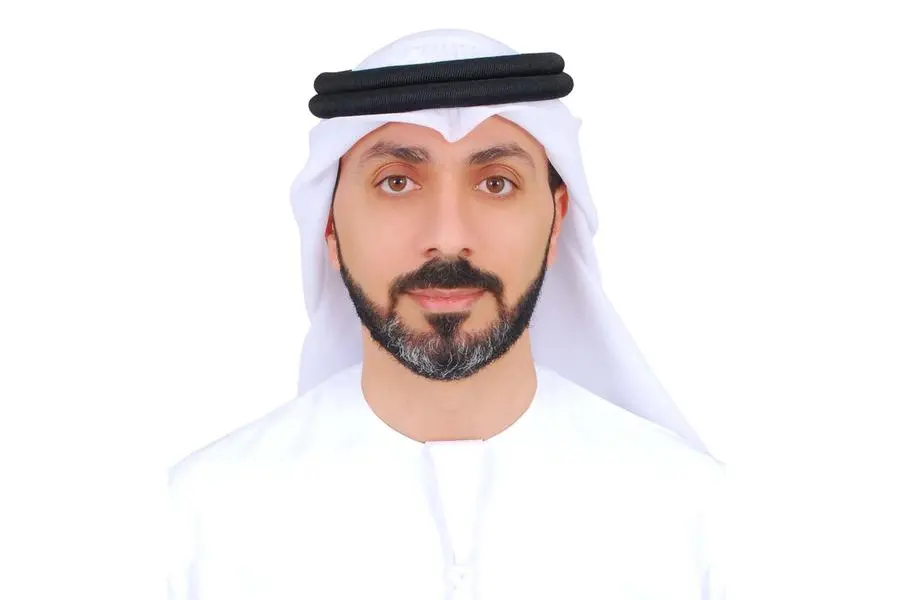
- Khalid Abdullah Al Saadi: Accreditation is a Strategic Component of Quality Infrastructure, Supporting Trust, Economic Growth, Technical Capacity Building, and Serving as a Key Enabler of the Digital and Knowledge Economy
Riyadh, Kingdom of Saudi Arabia – The Gulf Accreditation Center (GAC) has affirmed that accreditation represents a fundamental pillar for building trust, enhancing competitiveness, and fostering innovation and sustainability, particularly amid the rapid global transformation driven by advanced technologies, artificial intelligence, and digitalization.
Accreditation plays a critical role in ensuring the reliability of products, services, and systems, enhancing market readiness for emerging technologies, facilitating trade, attracting investment, and strengthening quality infrastructure systems.
This statement coincides with the celebration of World Accreditation Day 2026, observed annually on 9 June under the theme “Innovation, Trust and Sustainability: The Power of Accreditation.” The theme highlights the growing role of accreditation in supporting economic development and enhancing the reliability of products, services, and systems across key sectors, thereby contributing to economic diversification objectives and strengthening the competitiveness of Gulf Cooperation Council (GCC) economies regionally and globally.
The Gulf Accreditation Center currently serves as Chair of the Global Accreditation Cooperation Incorporated (Global ACI), holds four leadership positions within international and regional technical committees, ranks sixth globally according to the Asia Pacific Accreditation Cooperation (APAC), has achieved international recognition in six key accreditation fields, and has signed more than 55 bilateral agreements since its establishment.
A Strategic Foundation for Trust
On this occasion, H.E. Khalid Abdullah Al Saadi, Director General of the Gulf Accreditation Center, stated: “Accreditation is no longer merely a technical process for verifying competence. It has become a strategic pillar for building trust in markets, supporting innovation, advancing sustainability, developing technical talent, and enabling both the digital and knowledge economies.”
He added that accreditation plays a central role within the quality infrastructure ecosystem by ensuring the competence of conformity assessment bodies, including testing and calibration laboratories, medical laboratories, inspection bodies, and certification bodies for products, systems, and services, in accordance with international best practices.
Al Saadi further noted that accreditation enhances confidence in testing, inspection, and certification results, supports product and service safety, protects consumers, facilitates trade and investment flows, and strengthens the credibility and efficiency of markets. As technological, economic, and sustainability-related transformations continue to accelerate worldwide, accreditation is becoming increasingly important as a guarantor of trust, credibility, and competence. It also supports government efforts to improve service quality, enhance national competitiveness, and create broader opportunities for trade and investment.
He emphasized that in the age of artificial intelligence and emerging technologies, trust in results, data, and systems has become essential to the success of digital transformation and the knowledge economy. Accreditation therefore emerges as a key enabler of the digital economy by providing a trusted environment that supports innovation while ensuring the safety, reliability, and efficiency of new technologies and services.
Al Saadi also highlighted the direct impact of accreditation on individuals and communities through enhancing food safety, improving the accuracy of medical testing, ensuring the reliability of products and services, and increasing safety standards for equipment and devices used in everyday life.
He further stressed that the Gulf Accreditation Center continues to work closely with local, regional, and international partners to promote a culture of quality and accreditation, expand international recognition of GCC conformity assessment outcomes, and support the development visions and aspirations of GCC member states.
These efforts contribute to building more resilient, sustainable, and globally competitive economies through strengthened governance practices, credible environmental claims, enhanced transparency, and the mitigation of risks associated with inaccurate information.
Al Saadi reaffirmed the Center’s commitment to empowering conformity assessment bodies and enhancing the reliability of their services, in line with its mission of building trust, promoting quality, and supporting Gulf integration. These efforts contribute to a more prosperous and sustainable future for future generations while strengthening the attractiveness of this vital sector for investment.
Advancing Gulf Integration
The Gulf Accreditation Center continues to support Gulf integration efforts amid the rapid adoption of advanced technologies and artificial intelligence. Accreditation serves as a trusted framework for verifying the competence of emerging systems and technologies, enabling governments and the private sector to embrace innovation with confidence while enhancing market readiness to respond to future developments with credibility and efficiency.
The Center also plays an increasingly important role in supporting sustainability by verifying the credibility of environmental, social, and governance (ESG) claims, enhancing transparency and reliability, and reducing risks associated with inaccurate information. These efforts support GCC ambitions to build more sustainable and responsible economies.
GAC represents a successful model of Gulf cooperation in the field of quality infrastructure. Through more than 55 bilateral agreements, it has strengthened its position within the global accreditation system and enhanced international recognition of its services, contributing to the growing presence of GCC countries on the global quality and accreditation landscape.
The Center continues to strengthen technical confidence among GCC member states by providing accreditation services across six key sectors in accordance with international best practices and by expanding international recognition of the accreditation certificates it issues. These efforts help remove technical barriers to trade, facilitate access of Gulf products and services to global markets, enhance the competitiveness of Gulf economies, and support economic integration across the GCC.
GAC also continues to strengthen its role within the global accreditation community through its chairmanship of Global ACI, leadership positions in international and regional technical committees, and participation in international recognition arrangements, enabling worldwide acceptance of the results produced by bodies accredited by the Center and reinforcing their credibility on the international stage.
About the Gulf Accreditation Center (GAC)
The Gulf Accreditation Center is the regional accreditation body of the Gulf Cooperation Council (GCC) countries. It provides accreditation services to conformity assessment bodies, including testing and calibration laboratories, medical laboratories, inspection bodies, and certification bodies for products, systems, persons, and services, in accordance with internationally recognized standards.
The Center plays a vital role in strengthening quality infrastructure across GCC countries by supporting the reliability of testing, inspection, and certification results, enhancing confidence in products and services, removing technical barriers to trade, and facilitating the access of Gulf products to regional and international markets.
Through its participation in international accreditation and recognition arrangements, GAC ensures the global acceptance of results issued by conformity assessment bodies accredited under its framework, thereby enhancing the competitiveness of Gulf economies and supporting economic integration among GCC member states.
Driven by its vision of promoting trust, quality, and excellence, the Center continues to collaborate with governments, the private sector, and regional and international partners to support innovation, sustainability, and the advancement of quality infrastructure in line with global developments and the economic aspirations of GCC countries.
For more information:
www.gac.org.sa