PHOTO
Dubai, UAE: A Birmingham-led research project will aim to detect biological threats before they spread, using AI-driven metagenomic surveillance at Dubai International Airport, one of the world’s busiest international travel hubs.
The research project has recently been awarded a Dubai Research, Development and Innovation (RDI) grant of AED 1.5 million and will combine genomics, artificial intelligence and biosecurity analytics to detect, characterise and predict emerging microbial and antimicrobial resistance threats that could otherwise spread and endanger public health.
Antimicrobial resistance (AMR) occurs when microorganisms such as bacteria, viruses, fungi and parasites evolve to survive treatments, rendering antibiotics and other antimicrobials ineffective and making infections difficult or impossible to treat. It is recognised as a global health crisis, responsible for 1.27 million global deaths in 2019.
Similarly, novel viruses or bacteria can pose significant risks due to limited immunity in populations and their potential for rapid global spreads before vaccines or treatments can be developed.
Through this project, researchers will aim to identify and track resistant and emerging threats to public health by creating comprehensive microbial and genetic profiles using samples collected from airport surfaces, air and wastewater, using advanced sequencing and bioinformatics.
These pieces of data will then feed into AI-based predictive models which will identify potential biosecurity risks and track trends in microbial and antimicrobial resistance over time. Researchers will then be able to give early warnings on any new or high-risk patterns, supporting public health preparedness and resilience.
The project is led by Dr Mohamed El-Hadidi from the University of Birmingham Dubai, as part of a consortium involving the University of Birmingham Dubai, Mohammed Bin Rashid University of Medicine and Health Sciences, Dubai Police, Friedman Global Health & Biosecurity Consultants, Carnegie Mellon University and the University of Cambridge.
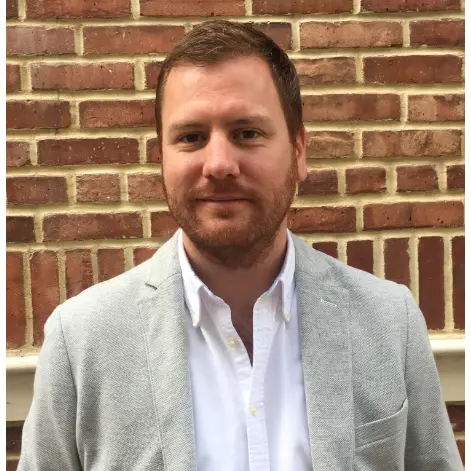
Dr Mohamed El-Hadidi, Associate Professor in Bioinformatics at the University of Birmingham Dubai, said: “Just as security scanners detect hidden physical threats, PREVENT-DXB detects hidden biological threats.
Using AI and genomics, the project identifies microbial risks before outbreaks begin. It represents a new era of proactive, data-driven biosecurity, strengthening Dubai’s position as a global leader in health security and precision public health.”
It is hoped that the project will help transform metagenomic surveillance from reactive to predictive, allowing biological threats to be detected before they spread.
The University of Birmingham is ranked amongst the world’s top 100 institutions, its work brings people from across the world to Birmingham, including researchers and teachers and more than 8,000 international students from over 150 countries. The University of Birmingham was established by Queen Victoria in 1900 as Great Britain’s first civic university, where students from all religions and backgrounds were accepted on an equal basis.
The University of Birmingham Dubai opened a purpose-built campus in Dubai International Academic City in 2022, which demonstrates the University of Birmingham’s long-term commitment to contributing to UAE society – through in-country partnership in education and areas of research strength that support the National Agenda.