PHOTO
Manama: AGU The Arabian Gulf University (AGU) has actively organised awareness campaigns about rare diseases since 2013. Over the years, it has adopted ongoing scientific and awareness programmes led by the College of Medicine and implemented by Al-Jawhara Centre for Molecular Medicine, Genetics, and Inherited Disorders. These initiatives aim to improve medical understanding of rare diseases, promote early diagnosis, and provide support to patients and their families.
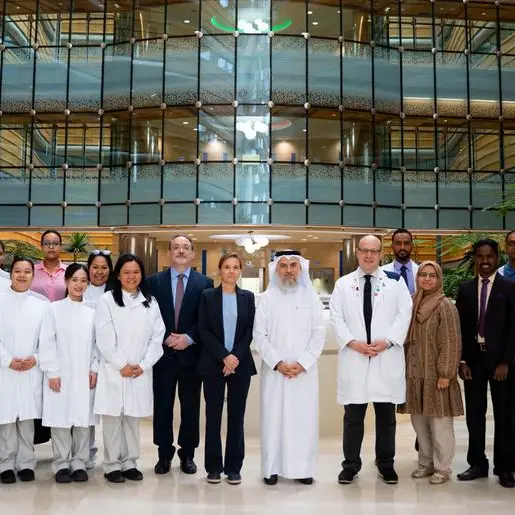
In this context, AGU, through the Al-Jawhara Centre, organised a series of scientific and awareness events in observance of Rare Disease Day 2026. The highlight was a lecture titled "Recent Advances in Rare Diseases," presented by Dr Cristina Skrypnyk, a consultant specialising in medical genetics and genomics.
Dr Skrypnyk explained that approximately 350 million people worldwide are affected by rare diseases. Although individual rare diseases may have limited prevalence, they collectively pose a significant and growing global health challenge.
She noted that in the Middle East, the number of individuals living with rare diseases is estimated at around 25 million, including approximately 80,000 in Bahrain. Most of these diseases are genetic, resulting from gene mutations that impair cell or organ function, often manifesting symptoms at an early age.
The lecture reviewed recent advances in understanding, diagnosing, and treating rare diseases, highlighting rapid advancements in gene therapy, RNA-based treatments, and precise genomic diagnostics, which are technologies that transform disease management. Dr Skrypnyk also discussed several new treatments approved between 2024 and 2025, including gene therapies for leukodystrophy, innovative approaches for Duchenne muscular dystrophy, targeted therapies for familial hyperchylomicronemia syndrome, and treatments for Niemann-Pick disease type C. These developments reflect a substantial shift in the treatment possibilities for previously untreatable conditions.
The lecture noted the significant international step of the World Health Organisation's 2025 resolution advocating for a ten-year global action plan for rare diseases. This initiative aims to integrate rare diseases into universal health coverage and national health strategies.
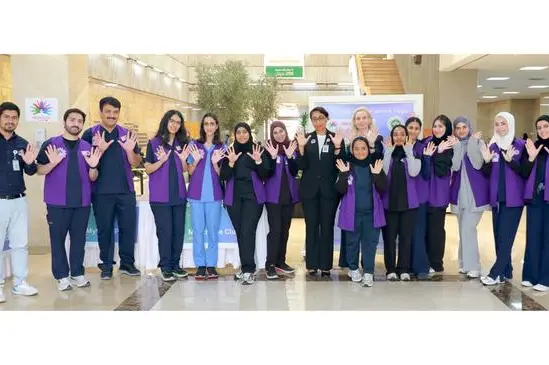
In conjunction, an awareness corner about rare diseases was set up at the AGU campus. Medical student participants interacted with visitors to educate them about the nature of these diseases and the importance of early diagnosis.
The Rare Disease Day 2026 campaign was launched with the support of Dr Tariq Hospital and Bluebird Pharmacy, who contributed to its awareness and educational efforts.
Campaign activities are scheduled to continue throughout March and April with community events including visits to schools and universities, awareness sessions at childcare centres, and a meeting of the "Care for Rare" patient support group, all aimed at promoting community awareness and providing support to families affected by rare diseases.