Zambia’s Energy Minister, Makozo Chikote, will take a prominent role at African Energy Week (AEW) 2026 in Cape Town from 12–16 October, where he is expected to outline the country’s integrated energy strategy to investors, policymakers and development partners.
His participation comes at a time when Zambia is accelerating reforms across the entire energy value chain – from electricity generation and renewable deployment to fuel supply security and downstream oil infrastructure – positioning the country as both a regional power hub and an emerging player in refined fuel distribution.
A key pillar of the government’s agenda is the Carbon Feed-in Premium (CFIP) program, launched earlier this month and designed to unlock up to 300 MW of private renewable energy investment. The initiative aims to diversify Zambia’s generation mix, reduce emissions and strengthen grid stability. It also includes a Mitigation Outcome Purchase Agreement with Norway under the CFIP framework, expected to help mobilize international climate-linked financing and support decarbonization of the power sector ahead of 2027.
Alongside the renewable push, Zambia is also advancing its hydrocarbons and fuel security agenda. The government has begun construction of a 60,000 barrels-per-day crude oil refinery in Ndola, a landmark downstream project aimed at reducing dependence on imported refined fuels and strengthening domestic supply security. The refinery is expected to support industrial demand, particularly from mining and transport sectors, while easing pressure on foreign exchange reserves over the long term. At AEW 2026, Minister Chikote is expected to position this dual-track strategy as central to Zambia’s long-term energy security and industrial growth agenda.
Zambia has already committed to adding more than 2,610 MW of new electricity generation capacity by the end of 2026. The expansion program is designed to address chronic power shortages, reduce load shedding and support industrial expansion. It prioritizes a diversified mix of solar, wind and hybrid projects to improve system resilience, particularly as climate variability continues to affect hydropower output.
Investor sentiment has also been supported by recent regulatory momentum. In March 2026, the Energy Regulation Board approved 24 licenses, seven construction permits and amendments to existing projects, representing a combined investment commitment of ZMW 1.1 billion across power generation, renewables and downstream petroleum infrastructure. The approvals reflect both growing private sector appetite and a more streamlined regulatory environment for energy project development.
Beyond generation and fuel infrastructure, Zambia is also strengthening energy efficiency and system resilience. Through a partnership with the European Union, the Ministry of Energy has launched the Zambia Energy Efficiency and Sustainable Transformation program, introducing LED retrofits and infrastructure upgrades in schools and hospitals in the Eastern Province to reduce consumption and improve reliability.
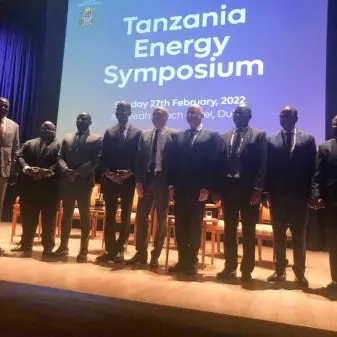
Regionally, Zambia is deepening cooperation with Tanzania in oil and gas development, with both governments exploring joint exploration opportunities, cross-border energy trade and shared infrastructure. The discussions reflect a broader regional push to strengthen energy security and improve integration across East and Southern Africa.
“Zambia is taking a smart, integrated approach to energy – balancing power, renewables, and oil and fuel security. This is exactly the kind of practical, investment-ready strategy Africa needs. Minister Chikote is showing how policy can unlock capital and deliver real projects across the entire energy value chain,” said NJ Ayuk, Executive Chairman of the African Energy Chamber.
Distributed by APO Group on behalf of African Energy Chamber.