PHOTO
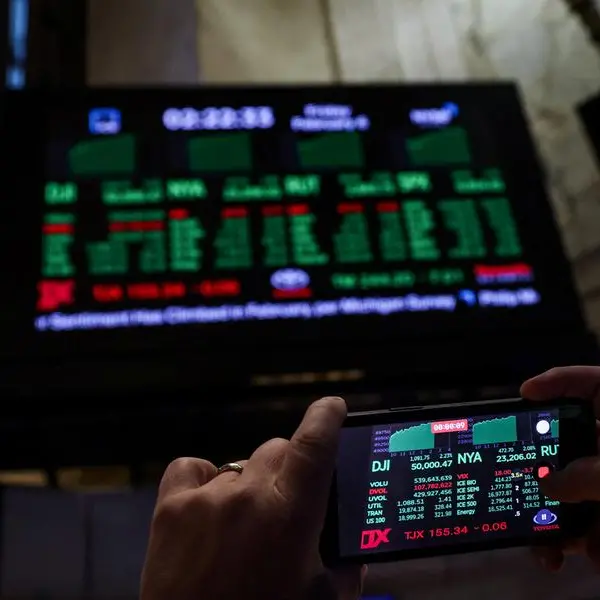
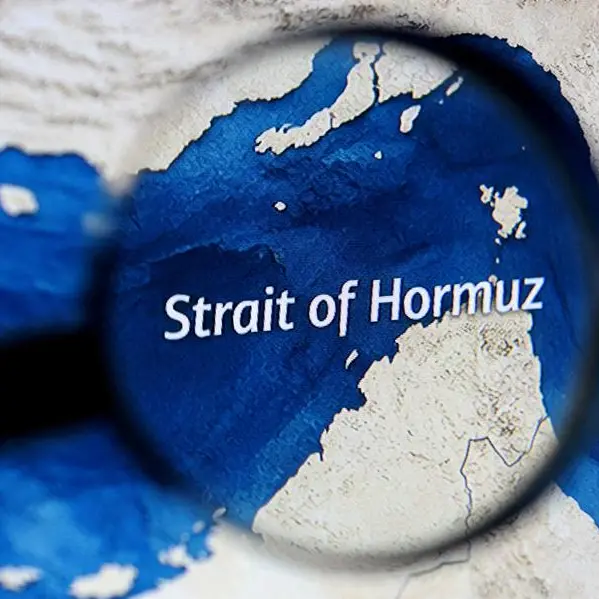
LONDON - The start to the year has have left investors with a serious case of whiplash with the eruption of war in Iran triggering a record jump in oil prices, major losses in bond markets and a near $10 trillion wipeout for world stocks.
The outsized moves have been at the mercy of geopolitics, from the United States' interventions in Venezuela and Greenland in January, to the war on Iran which is now inflicting a brutal shock on the global economy.
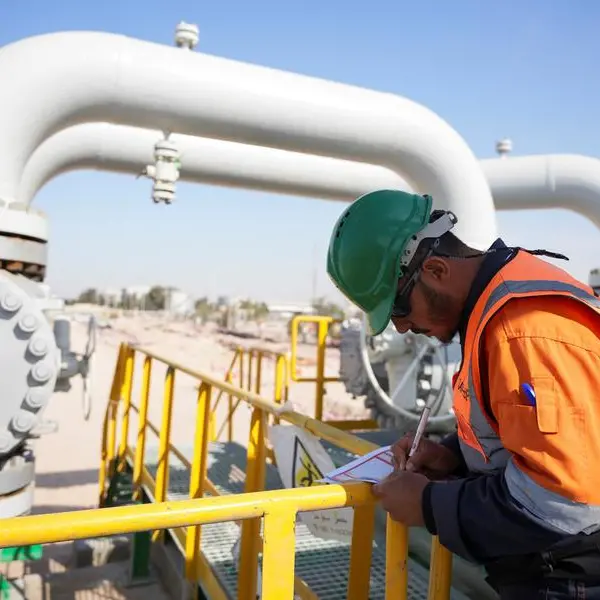
Brent crude futures are up almost 90%. That is their biggest Q1 jump on record and their second-biggest quarterly rise ever. Europe's gas prices have almost doubled and global interest rates are suddenly pointing up, rather than down.
That combination has left the all-conquering, but energy-hungry tech giants floundering, scuppered an emerging-market rally just as it was getting going and not even safe-havens gold, the Swiss franc or triple-A bonds have come to the rescue.
"To say it has been challenging is a little bit of an understatement," said Neuberger Berman's head of trading in London, Robert Dishner, who reckons the bond market impact has been more dramatic than when COVID was easing and Russia had just invaded Ukraine.
"In 2022 we knew the direction (interest rates would move) just not the pace," Dishner said. "But in 2026 the direction has been completely reversed, so it's a much more meaningful change."
Perhaps it's no surprise then that the 70 to 100 basis point surges in rate-sensitive Italian and British 2-year bond yields look just as extreme as back then. .
Benchmark U.S. 2-year yields have surged more than 40 bps as well, and Japan's have just hit their highest in 30 years, amid growing nervousness about global "stagflation" - when economies flat-line but inflation remains high. .
WILD FROM THE OFF
This year has not just been about Iran and the oil price, though.
Things got off to a wild start, with the U.S.'s capture of Venezuela's President Nicolas Maduro and then Donald Trump's demands to take control of Greenland - a semi-autonomous territory of NATO ally Denmark - and hit anyone who stood in his way with tariffs.
January saw the biggest monthly rise in gold prices since the tail-end of the global financial crisis, while Venezuela's bonds - which Caracas has not made a payment on for nearly nine years - have soared nearly 50% since the Maduro grab, making them the best performing in the world.
Every one of the so-called "Magnificent Seven" has underperformed the world stocks benchmark. South Korean stocks soared 50% then gave over half of it, defence stocks haven't fired despite the war, while spluttering noises are coming from the $2 trillion private credit market again, even at heavyweight funds such as BlackRock, and Blackstone.
GOOD AS GOLD?
Gold is down more than 13% in March, on track for its worst month since October 2008. To be fair, it had doubled since the start of last year, but in a month that has seen the gravest Middle East conflict and biggest global energy shock in decades "it's a bit of a surprise," AXA's chief economist, Gilles Moec, said.
If gold's safe-haven allure has been muddied, the dollar and U.S. Treasuries have hardly shone either.
The dollar has risen almost 3% this month - but after a 9% drop last year. Several major central banks are likely to raise interest rates more than the Federal Reserve if the war rumbles on too, so the U.S. currency is not getting any support from expected rate differentials.
Meanwhile, the Swiss franc and Japanese yen - the two currencies that traditionally boast current-account surpluses and low inflation - are blighted by domestic issues. And any struggling country that imports lots of oil or gas has been battered.
Egypt, a big energy importer which also spends an eye-watering 60% of its revenues on its debt interest payments, has seen its currency slump 12% this month, making that bill even larger.
Hungary's forint, South Africa's rand, the Thai baht and Mexican and Philippine pesos are all down between 5% and 7% as well, and though Bitcoin has risen with the dollar in March, the cryptocurrency is still down close to 25% for the year.
"There has been a shift from leaning against the dollar to leaning towards the dollar," director of Ninety One's Investment Institute, Sahil Mahtani, said, although he thinks it will resume its fall.
With wars raging, central banks pirouetting, crucial elections in Hungary and Britain and the finale of the Warner Bros takeover coming soon, Q2 does not look likely to calm down much.
Ninety One's Mahtani said investors were grappling with whether the current crisis could even turn into a COVID-style shock that fosters both social and political upheaval.
"It's a real fork in the road," Mahtani said. "And if you have these quickening regime shifts as we have been seeing, that really changes the way you manage portfolios."
(Additional reporting by Dhara Ranasinghe in London; editing by Amanda Cooper, Alex Richardson and Louise Heavens)