PHOTO
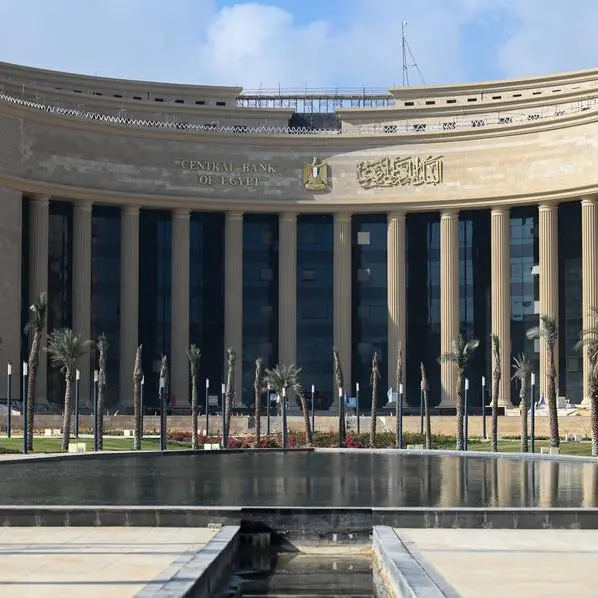
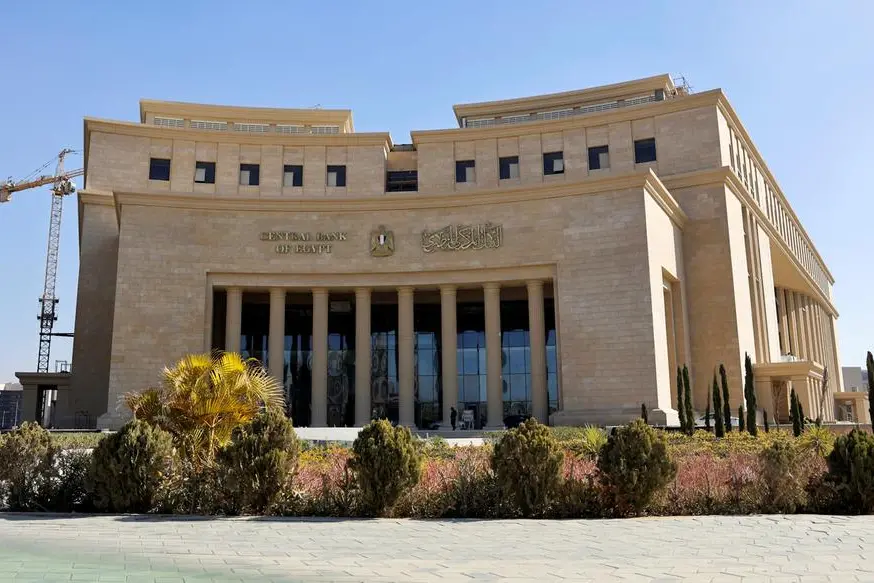
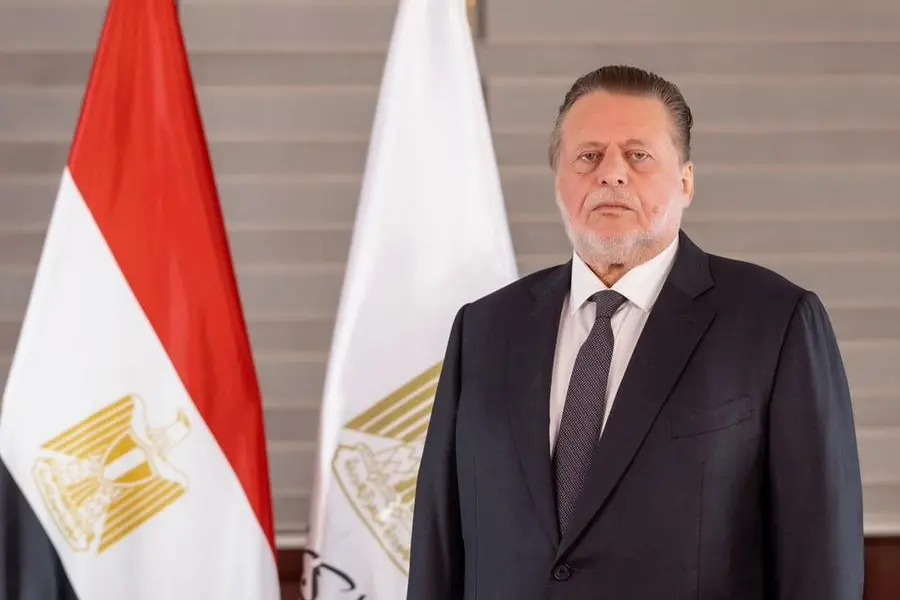
Egypt - Hassan Abdalla, Governor of the Central Bank of Egypt (CBE), participated in the second edition of the AlUla Conference for Emerging Market Economies, organised by the Saudi Ministry of Finance in partnership with the International Monetary Fund (IMF).
The conference was attended by Saudi Minister of Finance Mohammed bin Abdullah Al-Jadaan, IMF Managing Director Kristalina Georgieva, and a high-level group of central bank governors, finance ministers, senior officials from international financial institutions, and global economic experts.
Held under the theme “Aligning Economic Policies to Support Emerging Market Economies amid Global Trade Challenges and Monetary Transformations”, the conference focused on rapid shifts in the global economy and the challenges and opportunities facing emerging markets, particularly in international trade, monetary and financial systems, and macroeconomic policymaking.
During the conference, Abdalla took part in two sessions. In the first, titled “Monetary Policy amid Structural Shifts in the Global Economy”, he reviewed Egypt’s economic reform programme launched in March 2024, which includes a transition to inflation targeting alongside the full adoption of a flexible exchange rate regime.
Abdalla explained that this shift represents a fundamental change in Egypt’s monetary policy framework, with the CBE’s role now focused on setting a robust policy framework rather than managing a specific exchange rate level.
He stressed that the CBE’s role is not to push the currency up or down, but to establish a strong and resilient system that allows the exchange rate to respond to supply and demand forces. He added that the measures adopted by the Egyptian state have succeeded in reducing inflation from around 40% to nearly 12%, reinforcing confidence in the Egyptian economy.
Abdalla also underlined the importance of factoring global developments into monetary policy decisions, stressing that precautionary reserves should be built during periods of economic stability rather than in response to crises. He called for stronger communication between central banks—particularly between emerging and advanced economies—as well as enhanced scenario analysis, contingency planning for the banking sector, and the provision of rapid-access emergency facilities by multilateral financial institutions when crises arise.
The CBE governor highlighted the bank’s efforts to establish a Data Science and Advanced Analytics Centre, alongside ongoing work to develop nowcasting tools and forward-looking indicators. These initiatives aim to bridge gaps created by traditional macroeconomic indicators that fail to capture real-time economic conditions, accelerating decision-making and supporting more forward-looking monetary policy.
In closing, Abdalla noted continued improvements in Egypt’s economic performance indicators, citing the recovery of Suez Canal revenues following a period of decline, as well as record performance in the tourism sector in terms of both visitor numbers and spending. He also pointed to improved private sector activity, with the Purchasing Managers’ Index (PMI) rising above the 50-point threshold, signalling a return to expansion. He said the Egyptian economy currently enjoys promising opportunities and positive prospects that outweigh potential risks, despite external global shocks.
In a related development, Abdalla also participated in a session titled “Strengthening the Global Financial Safety Net”, where he highlighted the importance of such mechanisms in enhancing countries’ preparedness for future crises and safeguarding economic stability.
He stressed that the quality of assets comprising international reserves is as important as their size, noting that tools such as stress testing and scenario analysis help determine reserve levels that accurately reflect each country’s specific risks and needs.
Abdalla said Egypt’s net international reserves reached a historic $52.6bn in January 2026, covering 6.3 months of imports and equivalent to around 158% of short-term external debt. He added that the CBE remains committed to ensuring that growth in reserves is accompanied by improvements in quality, including strengthening the asset–liability structure and extending the maturity profile of external obligations.
On the sidelines of the conference, the CBE governor held a series of bilateral meetings with senior officials from international financial institutions and fellow central bank governors, during which they exchanged views on global risks, crisis preparedness, and prospects for enhanced coordination in fiscal and monetary policies.
© 2026 Daily News Egypt. Provided by SyndiGate Media Inc. (Syndigate.info).