PHOTO
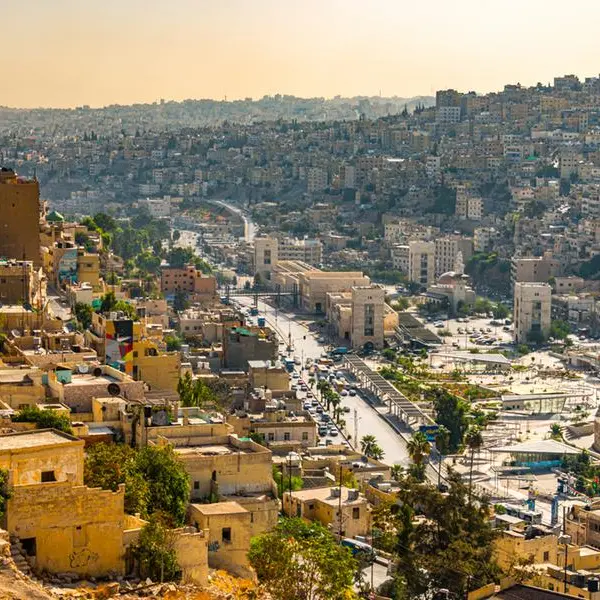
AMMAN — UN-Habitat Jordan last week held the first steering committee meeting of the "Green Salt: Public Spaces and Living Heritage for Socio-Economic Development" Project, jointly implemented with UNESCO.
The meeting brough together several stakeholders, including the secretary general of the Ministry of Local Administration, mayor of the Greater Salt Municipality, and representatives from the Italian Agency for Development Cooperation (AICS), the Ministry of Culture, the Ministry of Tourism and Antiquities, and UNESCO.
During the meeting, UN-Habitat and UNESCO teams discussed progress and the upcoming work plan, which focuses on enhancing public spaces and safeguarding Salt’s living heritage as foundations for inclusive and sustainable socio-economic development, according to a UN-Habitat statement.
Secretary General for Technical Affairs at the Ministry of Local Administration Wajdi Dulain praised UN-Habitat’s ongoing support for local governance in Jordan.
He said: "We are fully committed to creating more resilient and sustainable urban environments and promoting local development through partnerships like this."
Head of UN-Habitat Jordan Programme Office Deema Abu Thiab highlighted the project's vision.
"This project aims to make Salt more liveable by creating environmentally friendly public spaces for residents and visitors, supporting both local and tourism development," Abu Thiab said.
Mayor of Greater Salt Municipality Mohammad Hiary commended the efforts of UN-Habitat, UNESCO and AICS, expressing appreciation for their commitment to enhancing community well-being and increasing green spaces in Salt.
“We are optimistic about the project’s outcomes and deeply grateful to the Italian embassy and the Italian Agency for Development Cooperation for their generous support," Hiary said.
UNESCO Representative to Jordan and Head of Office Noha Bawazir stressed the importance of documenting and preserving Salt’s intangible cultural heritage, saying: "Intangible heritage is an integral part of the city’s identity. Through this project, UNESCO is working to safeguard and promote it as a living element of community life."
The Green Salt project, funded by Italy through AICS, is jointly implemented by UN-Habitat and UNESCO Jordan, in collaboration with the Ministry of Tourism and Antiquities, the Ministry of Culture, the Ministry of Local Administration, and the Greater Salt Municipality.
This project aims to enhance the socioeconomic well-being of Salt, through the revitalisation of public spaces, according to UN-Habitat.
© Copyright The Jordan Times. All rights reserved. Provided by SyndiGate Media Inc. (Syndigate.info).