PHOTO
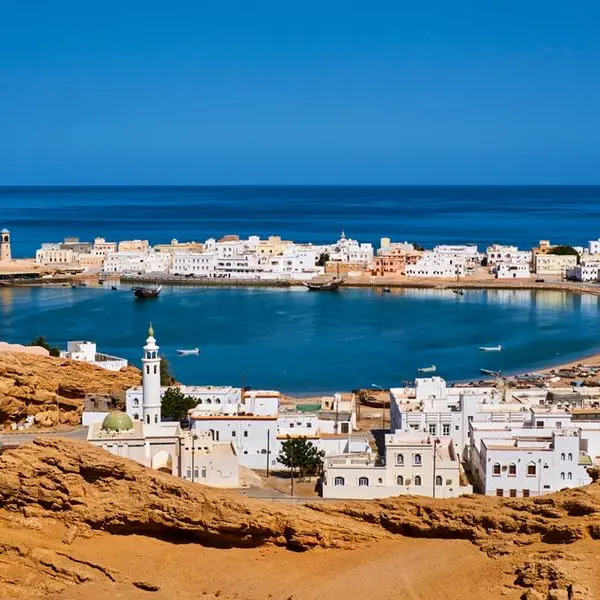
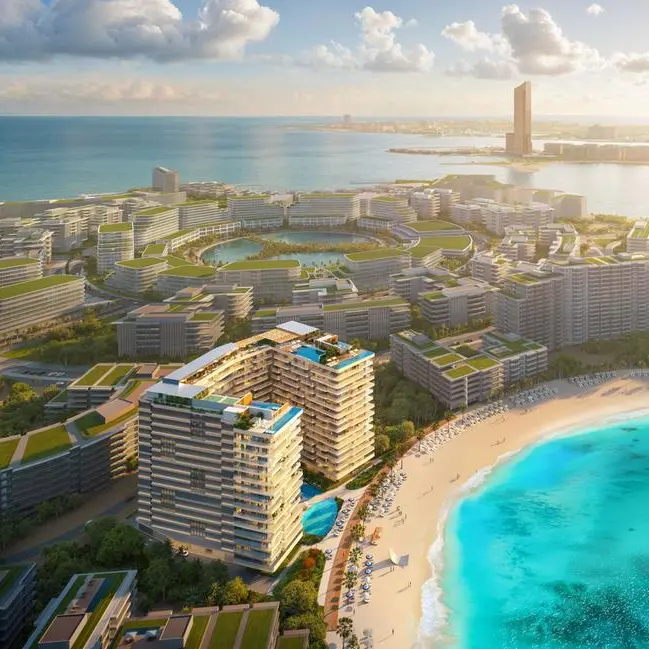
The Sultanate of Oman has entered a new era by deciding to establish modern cities in the country, which are being built through investments from foreign and local firms. This sector will remain active with the presence of these projects.
These issues and others were raised during a recent discussion at Majlis Al Khonji, which brought together a number of economists and real estate professionals to address matters of importance to the sector.
Abdulaziz bin Badr al Yahmadi, a specialist in the real estate and retail sectors, spoke during the session, focusing on several topics related to developments in the real estate sector in Oman and GCC countries.
The speaker highlighted the developments underway in Oman during the current urban phase under the supervision of the Ministry of Housing and Urban Planning and its role in overseeing and supporting future city projects and modern urban landmarks.
This, he explained, offers people the opportunity to choose what suits their social needs. He also discussed the differences between future cities and cities built in the early 1970s.
The speaker also addressed some of the challenges facing the real estate sector in the process of urban development through the creation of modern cities. In the past, citizens were accustomed to building their own private homes; however, today, owning modern housing units requires convincing people of the importance of living in such units, which will include all necessary public services such as roads, education and health centres, technologies and more.
Gradually, citizens will come to appreciate the value of these units, which makes it necessary to continue raising awareness and educating everyone who intends to build — especially since these units are financially supported by the Ministry and are offered at prices that suit their financial capabilities and resources.
He stated that the Real Estate Regulation Law stands out for introducing several legislations that help create modern and sophisticatedly designed cities — fully built, human-centred cities offering all daily services individuals need, enhanced by smart technology services.
This supports Oman’s efforts to keep pace with global urban development.
The speaker also addressed the topic of the “white land tax” in GCC countries, noting that it refers to the imposition of government fees on undeveloped lands within the urban boundaries of known cities, especially large plots withheld without development or investment.
The goal of this tax is not revenue collection, but rather activating the market, increasing supply and reducing monopolistic practices.
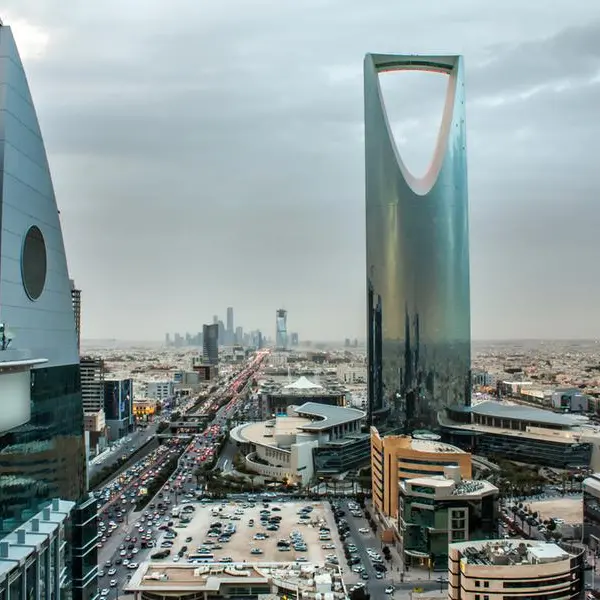
He explained that Saudi Arabia has begun directly applying the tax in Riyadh while the UAE applies it indirectly through regulations and conditions.
Oman is moving towards imposing this tax, though its implementation has not yet been announced. Qatar, Kuwait and Bahrain have not begun applying it.
He added that the success of such measures depends on the clarity of legislation, the readiness of infrastructure and the level of support provided to developers.
Professionals in the real estate sector believe that the efforts of the Ministry of Housing and Urban Planning will elevate the urban landscape and raise the standard of living for citizens and residents across Oman’s governorates.
However, they caution against flooding the market with large numbers of residential and commercial units, which may disrupt the balance between supply and demand and add new pressures to the sector.
They urge the community to adhere to construction standards and requirements to preserve Oman’s reputation for providing the best quality to both local and foreign buyers.
2025 © All right reserved for Oman Establishment for Press, Publication and Advertising (OEPPA) Provided by SyndiGate Media Inc. (Syndigate.info).