PHOTO
East Africa is one of the closest growth markets to the Gulf and demand there for food, consumer goods, construction materials, machinery and spare parts is set to grow further. Gulf traders and manufacturers will continue targeting those markets with or without Oman. The real question for Muscat is whether Oman wants to sit on the route — or capture the business built around it.
A transit point earns from movement. A gateway earns from what happens before goods leave: consolidation, packaging, compliance, light processing, distribution and after-sales support. That is where value is retained inside the economy. That is where margins improve, jobs become more skilled and trade relationships become more durable.
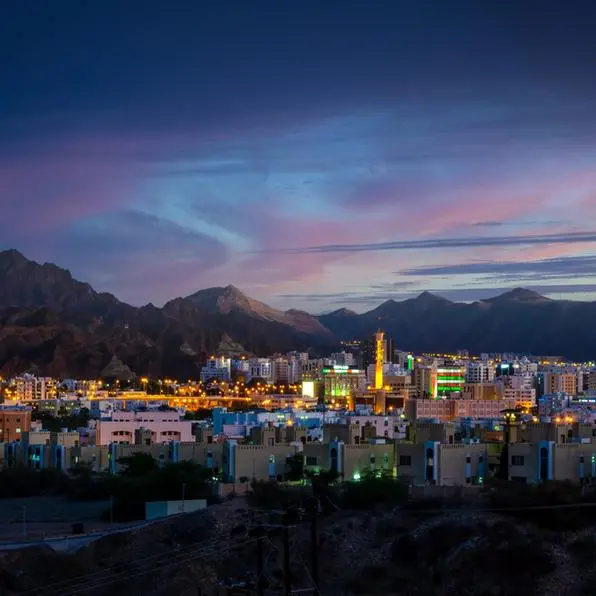
Oman has the geography, the ports and the strategic position. Salalah sits close to East African trade lanes. Suhar links logistics with industrial activity and Gulf markets. Al Duqm offers longer-term room for storage, processing and expansion. The issue is no longer whether Oman has the physical assets. It is whether the country can turn those assets into a trade model that captures value rather than simply moves cargo.
That means shifting the focus away from volume alone. More containers may look impressive, but volume by itself does not transform an economy. A serious strategy asks a tougher question: how much of that trade is actually generating income, services, investment and jobs inside Oman?
The first priority should be consolidation. East Africa-bound cargo from the Gulf is often fragmented, with smaller shipments coming from multiple suppliers on uneven schedules. If Oman becomes the place where those flows are gathered, combined and dispatched efficiently, it creates steady demand for warehousing, inventory management, cold-chain handling and distribution planning. These functions may not attract headlines, but they are the foundation of a real trade economy.
The second priority is value-added activity before export. Oman does not need to start with heavy industry to make this work. The quicker gains are often found in simpler but commercially important steps: packaging, labelling, kitting, light assembly, quality checks and adaptation to market requirements. These activities improve margins, reduce friction and make exporters more reliable in the eyes of buyers. They also create practical jobs that fit a logistics- and services-led growth model.
The third priority is after-sales support and spare parts. East Africa’s growing infrastructure, industrial base and retail activity will increase demand for maintenance, repairs and dependable parts supply. Companies selling equipment into those markets do not just need a port. They need a trusted service base. If Oman can provide that, it moves from being a shipping point to becoming part of the wider commercial relationship itself.
The fourth priority is trade services. This is where Oman can move up the value chain fastest. Modern trade depends on documentation, certification, insurance, finance and compliance. Traders do not choose locations only because they are close. They choose them because they are efficient, predictable and trusted. If Oman can offer faster clearance, stronger standards support and practical trade-finance facilitation, it can build repeat business rather than one-off cargo flows.
If Oman is serious about becoming the Gulf’s East Africa gateway, it should stop measuring success mainly by throughput. The better indicators are more demanding and more meaningful: how many firms are using Oman for re-export and light processing; how much cargo is being consolidated or adapted locally; how quickly goods are cleared; how large trade-services revenues become; and how many skilled jobs are created across the supply chain.
Standards and compliance also matter. Much of the friction in regional trade does not come from distance. It comes from inconsistent paperwork, weak labelling, delays in certification and avoidable approval problems. A true gateway removes that friction. It does not add to it.
Trade finance and insurance must also be part of the offer. Africa-bound trade can tie up working capital and is still seen by some firms as higher-risk. If Oman wants traders to base activity through its ports and zones, it must reduce uncertainty in practical ways linked to real transactions.
Most importantly, the private sector must be treated as the main commercial driver. Gateways are not built by brochures or conference language. They are built by operators who know exactly where time is wasted, costs rise and deals fall through. Government can enable, regulate and remove barriers but business must shape the operating model.
East Africa is not a distant opportunity. It is a nearby market that will matter more to Gulf trade strategy with each passing year. Oman has a genuine opening to serve it but geography alone is never enough.
Oman can remain a place goods pass through. Or it can become a place where trade is consolidated, improved, financed, serviced and exported with value captured at every stage. The difference will not be geography.
2026 © All right reserved for Oman Establishment for Press, Publication and Advertising (OEPPA) Provided by SyndiGate Media Inc. (Syndigate.info).