PHOTO
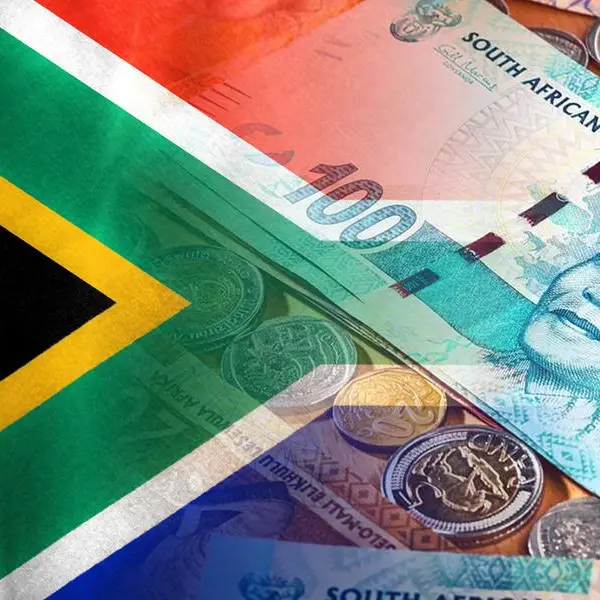
South Africa now says it will use its position as the President of the G20 to push for the relaxation of stringent capital requirements for banks globally, in a bid to allow African banks much more wiggle room to lend to the continent’s infrastructure needs.
The Group of Twenty (G20) is an international forum comprising both developing and developed countries that seeks to find solutions to global economic and financial issues.
South Africa assumed the presidency of the G20 on December 1, 2024, taking the mantle from Brazil, and will be hold it until November 30, 2025 under the theme ‘Solidarity, Equality and Sustainability’.
Sim Tshabalala, the co-chair of the Business 20’s Finance and Infrastructure Taskforce, which is placed under the G20 umbrella, and chief executive of South Africa’s largest lender, Standard Bank, says there is a pressing need for Africa’s banks to step in and plug the continent’s $85 billion infrastructural gap.
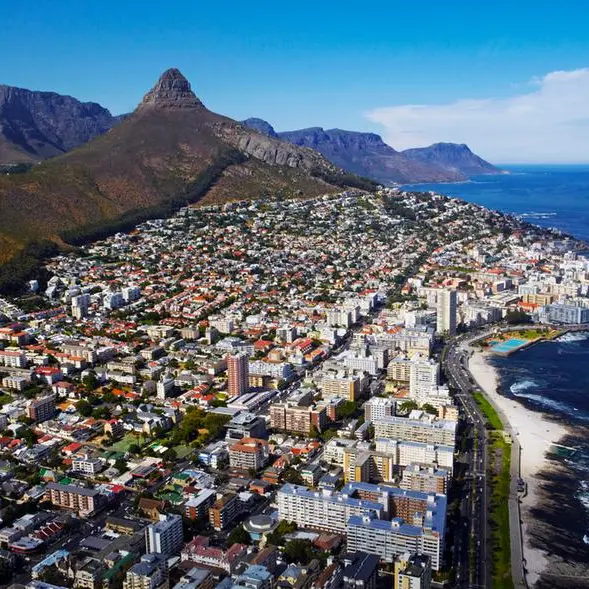
Mr Tshabalala says there is a need to relax the stringent capital requirements attached to the globally recognised Basel III standards.“South Africa has the privilege to be the President of the G20 and under the G20 you have the B20 which exists to support the outcomes that will be in the communique that will be issued by the G20. Africa needs $170 billion a year for infrastructure, but can only raise $85 billion, where is the remaining $85 billion going to come from? It will come from making it easier for the private sector to lend,” he said at the second edition of the Africa Unlocked Summit in Cape Town, South Africa.“One of the recommendations we are making is that the Basel III rules need to change so that the risk weighted assets that one holds result in you holding less capital. If you are holding less capital, you will be able to do more projects.”Basel III regulations are an internationally agreed set of measures developed by the Basel Committee on Banking Supervision in response to the fragility experienced in the global banking system during the 2007-09 global financial crisis.
Under the rules, banks determine how much capital they need to retain by assigning a risk weighting to every asset they hold. Risk-weighted assets essentially refer to a bank’s assets adjusted to reflect their level of risk.
Basel III requirements are seen as challenging the ability of African banks to lend towards infrastructure due to the increase in the minimum amount of capital that banks are required to hold based on their assets and loans.
Despite the call for Basel III reform, South Africa says it will not be a blank cheque for governments to use the banking sector capital to underwrite their infrastructure needs.“The other recommendation is in reducing the cost of capital and governments need to be more transparent and improve their fiscal and monetary management as well as their investor relations,” Mr Tshabalala said.“
© Copyright 2022 Nation Media Group. All Rights Reserved. Provided by SyndiGate Media Inc. (Syndigate.info).