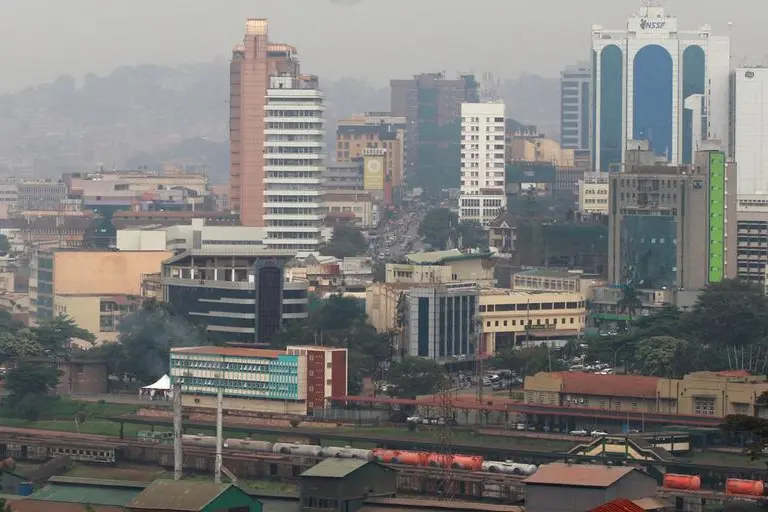
PHOTO
Resumption of World Bank funding, a new US financing line for the healthcare sector, challenges associated with Umeme’s exit from the power sector and failure to secure a fresh International Monetary Fund programme defined Uganda’s economic landscape in 2025, and are likely to affect investor confidence in 2026.
After three years of negotiations between World Bank and Uganda government officials, the global lender finally signed off a fresh Ush1.4 trillion ($386.3 million) credit financing package meant to fund various infrastructure projects in the transport, education, energy and healthcare sectors earlier this year.
This funding line ended a landmark suspension announced by the Bank in 2023, following serious concerns raised over the enactment of a controversial anti-homosexuality law that year, glaring human rights abuses targeted at opposition supporters and widespread corruption reported in government circles.
The World Bank is one of Uganda’s top lenders, with overall funding of more than $4.5 billion disbursed in the past. The bulk of this money was invested in transport infrastructure, education and healthcare projects.
Renewal of World Bank support is expected to unlock additional development funding from European donors in coming months.
Despite funding cuts by the US in its development support docket following President Donald Trump’s return to the White House in January, a Ush2.2 trillion ($607.14 million) financing package recently offered by Washington to Uganda’s healthcare sector is expected to ease worries surrounding provision of critical HIV/Aids care and tuberculosis treatment programmes.
More than 1.5 million Ugandans are currently enrolled for HIV/Aids treatment across the country.
A series of meetings between government officials and IMF technocrats this year failed to bear fruit, with the former reluctant to sign a new funding programme valued at more than $200 million on account of negative election pressures, weak tax revenues and poor budget discipline among others.
The expiry of Umeme Ltd’s 20-year power distribution concession in March triggered operational blues and legal battles, but also exposed hidden structural loopholes affecting Uganda’s electricity distribution system.
While government and Umeme are still locked in a $292 million buyout dispute that is a subject of foreign arbitration proceedings in London and boardroom negotiations in Kampala, widespread power cuts in many areas after Uganda Electricity Distribution Company Ltd (UEDCL) took over the distribution network have stirred public anger.
Rampant cases of electricity vandalism, collapsing power lines and prolonged power cuts have raised hard questions about government’s role in power distribution operations and persistently high electricity tariffs, Dr Brian Serunjogi, a research fellow at the Economic Policy Research Centre, observes.
He cites vandalism as a big headache for the power utility and consumers, as turnaround time for procuring new equipment takes over three months, leaving some areas trapped in darkness.
Phillip Sendawula, a local property owner, blames political interference in UEDCL’s operations, which complicates service delivery. This, in addition to the closure of United States Assistance for International Development (USAid) by the Trump administration, has hit the real estate sector hard.“Most of our foreign tenants have left this year and this has impacted our revenue growth in general. As a result, we have lost high value clients who have been paying as much as $3,000 per month in rental bills,” he said.
Uganda shilling denominated loans saw interest rates rise to 18.85 percent between July and September 2025 compared to 18.12 percent registered between April and June 2025, Bank of Uganda data shows.
Foreign currency lending rates fell to around 8.28 percent compared to 8.45 percent recorded during the same period.
The Uganda shilling gained 5.56 percent, year-on-year, against the US dollar, averaging Ush3,462.34 by close of October 2025, BoU data shows.“The economy seems resilient but it is hard to figure out the source of that resilience. However, things might get more difficult next year after the election season,” says Jet Tusabe, tax director at BDO Uganda.
Patrick Ocailap, Deputy Permanent Secretary at Uganda’s Finance Ministry says the economy performed to government’s expectations this year, and this prompted international credit rating agencies to upgrade the country’s rating from B-to-B stable earlier on.“Those that are complaining about low liquidity in the economy should tell you what goods and services they supplied to government. We have cleared some domestic arrears in this quarter that were approved by the Auditor-General and we plan to clear more domestic arrears in the next quarter,” he noted.
© Copyright 2022 Nation Media Group. All Rights Reserved. Provided by SyndiGate Media Inc. (Syndigate.info).