PHOTO
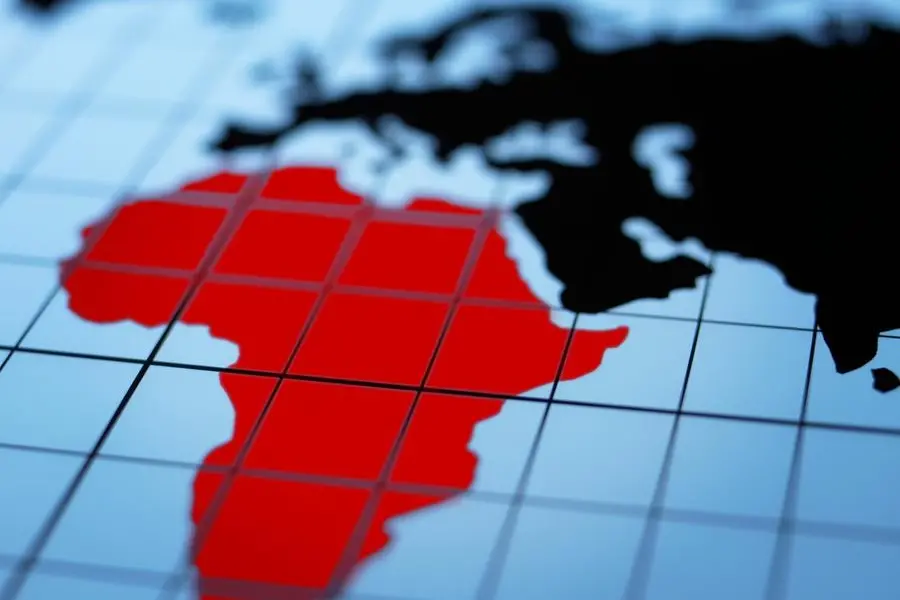
The 2026 Investing in African Mining Indaba in Cape Town closed with a familiar paradox. Record-breaking attendance, surging investor interest, and bold declarations of African unity. Yet the structural terms under which Africa’s minerals are extracted and traded remain largely unchanged. The continent is estimated to hold over 30 percent of the known world’s mineral reserves but captures less than five percent of the value chain. This is not a knowledge gap. It is a governance and power deficit.
The theme of this year’s Indaba, “Stronger Together: Progress through Partnerships,” rightly acknowledged that no African country can negotiate the terms of the global energy transition alone. Minister Gwede Mantashe rightly warned that fragmented national approaches weaken the continent’s bargaining power. But unity of rhetoric must now translate into unity of action, particularly on the fiscal and financial architecture that determines who benefits Africa’s critical minerals boom.
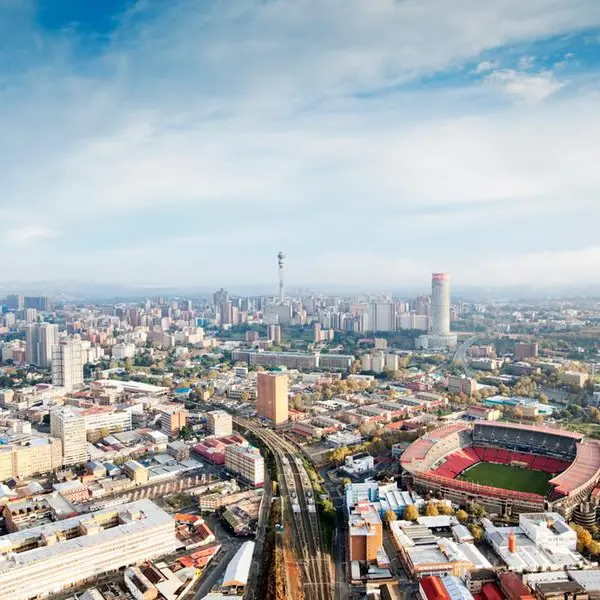
The numbers are staggering. Between 2023 and 2024, Africa exported close to $250 billion worth of revenue from its critical minerals. Over the next 25 years, projections suggest $1.6 trillion in mineral wealth will flow from the continent. The question that should haunt every African policymaker is: where will this money go? Will it build battery manufacturing plants in the DRC, refine lithium in Zimbabwe, or power industrialisation corridors linking Zambia’s copper belt to regional value chains? Or will it, as history suggests, flow outward, enriching foreign shareholders while African communities living atop these deposits remain among the poorest on the continent?Collective stewardshipThe G20 Summit in Johannesburg last November, the first ever held on African soil, provided a crucial platform for advancing this conversation. The Johannesburg Declaration’s commitments on debt sustainability, climate finance and the newly launched Partnership for African Infrastructure represent important reference points. South Africa’s G20 presidency, guided by the principle of Ubuntu, rightly framed Africa’s mineral wealth as a continental asset requiring collective stewardship, not a collection of national endowments to be individually bargained away.
But let us be honest about what Mining Indaba also revealed. The geopolitical scramble for Africa’s critical minerals is intensifying. The United States has launched ‘Project Vault’ to build strategic mineral stockpiles. Europe’s Critical Raw Materials Act is reshaping supply chain requirements. China continues to consolidate its dominance in mineral processing. Each of these initiatives is designed to secure minerals for their own industrial ambitions, not to support Africa’s industrialisation. Africa must not become a passive supplier in other nations’ green transitions while failing to power its own.
Three things must happen to change this trajectory.
First, African governments must strengthen their fiscal governance of extractive industries. Tax incentives and exemptions continue to haemorrhage revenues that should be financing public investment. The African Union’s Africa Green Minerals Strategy, endorsed in 2025, provides a continental framework, but implementation requires robust tax administration, transparency in licensing and the political will to close the loopholes that enable illicit financial flows from the mining sector. The specialised tax units emerging in countries like Kenya and Uganda, which focus on the wealthiest individuals and corporations, offer a model worth replicating.
Second, Africa needs sovereign wealth funds and national development banks specifically designed to channel mineral revenues into green industrialisation. The current model, where raw materials are exported, processed elsewhere and manufactured goods are re-imported, is a 21st-century reproduction of colonial economic patterns. The DRC-Zambia battery minerals corridor, discussed extensively at Mining Indaba, exemplifies the regional approach required. But such initiatives need patient, long-term financing that the current international financial architecture is not designed to provide. African-owned financial institutions, capitalised by mineral revenues, must fill this gap.
Communities living closest to mining sites remain disproportionately poor, bearing the environmental and social costs while receiving minimal benefits. Any credible partnership framework must centre the rights of these communities, including genuine free, prior and informed consent, meaningful benefit-sharing and accountability mechanisms that have real teeth.
The moment is propitious. Global demand for Africa’s minerals has never been higher. The continent’s negotiating leverage has never been greater. The African Union’s permanent membership in the G20 ensures that even as individual presidencies rotate, Africa’s voice in global economic governance will persist. But leverage without strategy is wasted. And strategy without implementation is theatre.
We know that resources are finite. At some point, the demand for critical minerals will evolve as new technologies emerge, just as synthetic diamonds have disrupted natural diamond markets. The window to convert mineral wealth into diversified, industrialised economies is open now. It will not remain open indefinitely.
Mining Indaba 2026 demonstrated that the appetite for a different path exists. The record attendance and high-level engagement signal that the world recognises Africa’s centrality to the global green transition. The challenge now is ensuring that this recognition translates into terms that serve African people, not merely African minerals. That requires bold political leadership, reformed fiscal governance, African-owned financial institutions and an unwavering commitment to the communities whose land and labour make extraction possible.
Africa’s mineral wealth can be the catalyst for the continent’s industrialisation and economic sovereignty. Or it can be the next chapter in a long history of extraction without transformation. The choice is ours. The time to make it is now.
Alvin Mosioma is the Associate Director of the Economic and Climate Prosperity programme at the Open Society Foundations. He was the founding Executive Director of Tax Justice Network Africa and has spent over 15 years working on fiscal justice and development finance across the continent. He writes in his personal capacity.
© Copyright 2026 Nation Media Group. All Rights Reserved. Provided by SyndiGate Media Inc. (Syndigate.info).