PHOTO
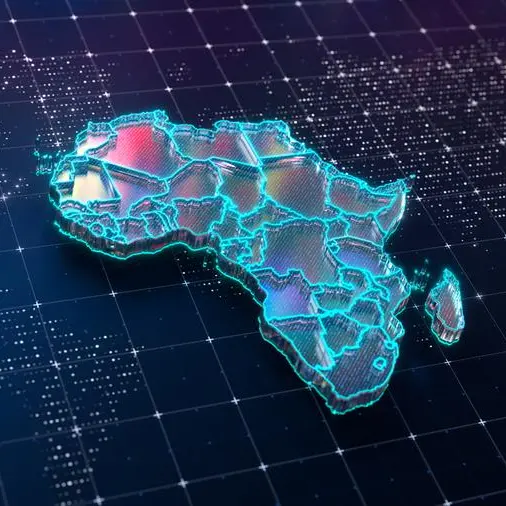
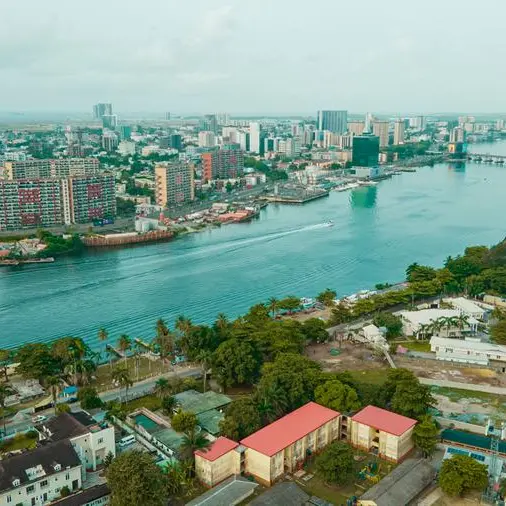
Investment by Comesa member states within the bloc is weakening as foreign investors, particularly from China, gain ground, underscoring the need for policy action to strengthen regional integration, a new report shows.
The 2025 Comesa Investment Report by the United Nations Conference on Trade and Development (UNCTAD) notes that cross-border investment within the 21-member bloc has remained among the lowest of Africa’s regional economic communities over the past five years (2020–2024).
Only three percent of announced greenfield projects during the period originated from within the Common Market for Eastern and Southern Africa (Comesa).
This level of intraregional investment is well below the African average of seven percent. In value terms, intraregional investment accounted for six percent, compared with 14 percent for Africa as a whole.“This persistent gap indicates that Comesa’s investment landscape is overwhelmingly dominated by extra-regional capital, underscoring limited regional integration of investment flows,” the report said. “While foreign capital remains essential for financing infrastructure, manufacturing and services expansion, there is considerable untapped potential for regional capital to play a more prominent role.”UNCTAD said strengthening the participation of domestic and regional firms – especially small and medium-sized enterprises (SMEs) – in cross-border investment should be a policy priority.“SMEs often expand first into neighbouring markets before venturing globally, making them natural drivers of intraregional integration,” the report said.“Targeted policy measures to unlock this potential could help develop and deepen regional value chains, enhance resilience to external shocks and improve the overall quality, diversity and sustainability of investment in Comesa.”
As a result, Comesa’s share of greenfield projects in developing economies fell from 4.4 percent to 3.7 percent.
Comesa members are Burundi, Comoros, Democratic Republic of the Congo, Djibouti, Egypt, Eritrea, Eswatini, Ethiopia, Kenya, Libya, Madagascar, Malawi, Mauritius, Rwanda, Seychelles, Somalia, Sudan, Tunisia, Uganda, Zambia and Zimbabwe.
China has emerged as an increasingly important investor in the bloc. Its foreign direct investment (FDI) stock in Comesa stood at $15.1 billion in 2015 and has recorded three notable surges since then.
Chinese investment rose by 38 percent in 2018, contracted in 2020, and rebounded in 2021 to stand 31 percent above 2015 levels. By 2023, Chinese investment in Comesa remained 15 percent higher than in 2015.“These periodic increases highlight China’s sustained and resilient investment presence in Comesa,” the report said.
China’s investments span the DRC, Ethiopia, Mauritius, Kenya and Zambia, with growing emphasis on manufacturing and renewable energy.
Between 2015 and 2023, annual FDI inflows into Comesa ranged from $16 billion to $26 billion, dipping during the Covid-19 pandemic before recovering from 2021. In 2024, inflows surged to a record $65 billion, the highest in a decade.
Foreign investment in 2024 was concentrated in five countries – Egypt, Ethiopia, Uganda, the Democratic Republic of the Congo and Kenya – which together accounted for 90 percent of total inflows, up from 80 percent in 2023.
Europe & American investmentsThe report notes that European and North American investors hold the largest share of FDI stock in Comesa, led by the Netherlands and the United States. Dutch investments are concentrated in Egypt and Libya.
The United Kingdom invests mainly in Egypt and Mauritius, while Singapore, India and Thailand concentrate almost entirely on Mauritius. Italy’s holdings are focused on Egypt and Tunisia, while France invests largely in Mauritius, Tunisia and Egypt.
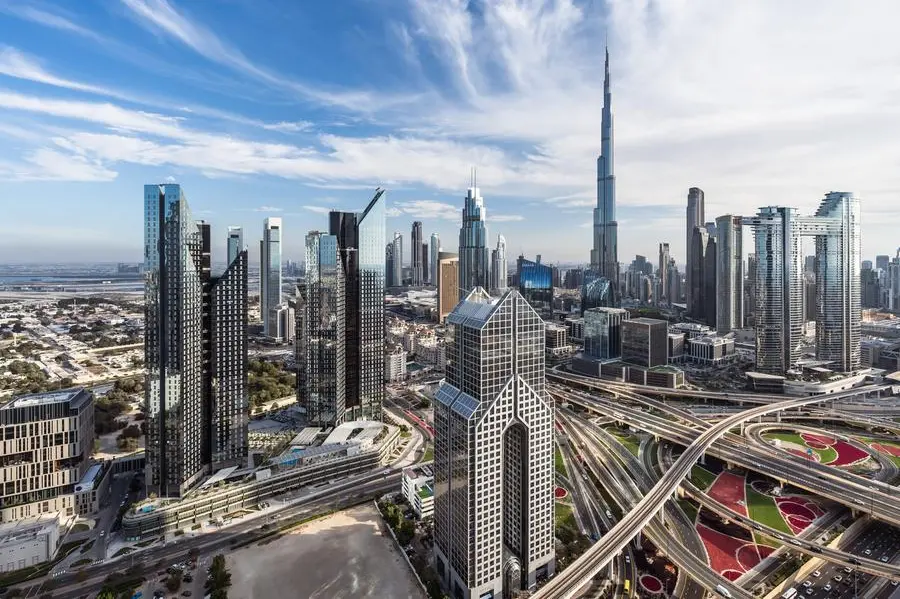
Overall investment in Comesa rose by 154 percent to $65 billion in 2024, driven largely by the Ras El-Hekma mega-project in Egypt – development of a smart city in the country’s Mediterranean North Coast.
As a share of FDI to developing economies, Comesa accounted for seven percent in 2024, up from three percent in 2023. Globally, the bloc’s share of total FDI inflows rose to four percent in 2024 from two percent a year earlier.
© Copyright 2022 Nation Media Group. All Rights Reserved. Provided by SyndiGate Media Inc. (Syndigate.info).