PHOTO
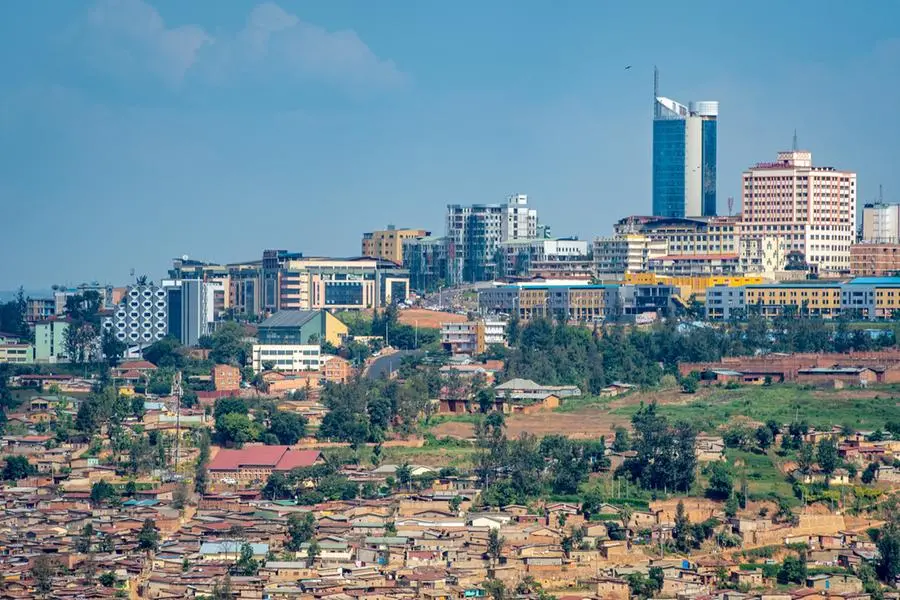
Rwanda’s 2026/27 budget framework has reaffirmed agriculture as a cornerstone of national development, signalling continued commitment to a sector that feeds millions, employs most of the population, and anchors rural livelihoods.
Yet, behind the vote of confidence lies a familiar tension: The priorities seem strong on paper, but there is uncertainty over whether the scale of investment is sufficient to transform the sector at the pace required.
The government has allocated Rwf352.6 billion ($240.92 million) to agriculture in the new fiscal framework, maintaining the sector’s position within Rwanda’s broader economic transformation agenda.
The funding comes at a time when climate change, global price volatility and rising input costs are reshaping agricultural systems across the region, putting renewed pressure on governments to build resilience into food production systems.
For Rwanda, agriculture is more than an economic sector. It contributes about one-fifth of the gross domestic product and remains the backbone of rural employment. It is also central to the country’s ambition to expand exports, reduce poverty, and strengthen food security in a region increasingly exposed to climate shocks.
Together, these measures are intended to improve productivity while reducing vulnerability to droughts, floods, and pests.
Smallholder farmers, who dominate Rwanda’s agricultural landscape, are expected to be the primary beneficiaries.
Government efforts to commercialise agriculture are further reflected in investments in livestock productivity and strategic projects such as the Gabiro Agribusiness Hub, which is intended to serve as a model for large-scale, market-driven agricultural production.
Despite these targeted interventions, questions remain over whether the level of investment matches the sector’s strategic importance. Yet again, agriculture has been allocated a relatively modest share of public expenditure compared to infrastructure and other capital-intensive sectors, even as its role in employment and food security remains disproportionately large.
This imbalance is increasingly significant as projections indicate agricultural growth could slow to around 3.7 percent in 2026, driven by climate pressures, rising fertiliser costs, and energy price fluctuations.
There are also concerns about inclusivity. Many of the government’s flagship interventions, particularly irrigation schemes, insurance programs, and formal financing systems, risk excluding the most vulnerable smallholders.
For now, the message from Kigali is one of cautious confidence. The harder nut to crack is whether the country’s farmers will feel the weight of that confidence in their fields.
This disconnect between ambition and investment raises a broader policy challenge and puts the 2026/27 agriculture budget into sharper relief: Strong policy intent paired with unresolved questions about scale and delivery.
Rwanda has clearly identified where it wants to go. The test, as in much of East Africa, is whether ambition can be matched by financing that is large enough, targeted enough, and inclusive enough to transform rural livelihoods at speed.
© Copyright 2026 Nation Media Group. All Rights Reserved. Provided by SyndiGate Media Inc. (Syndigate.info).