PHOTO
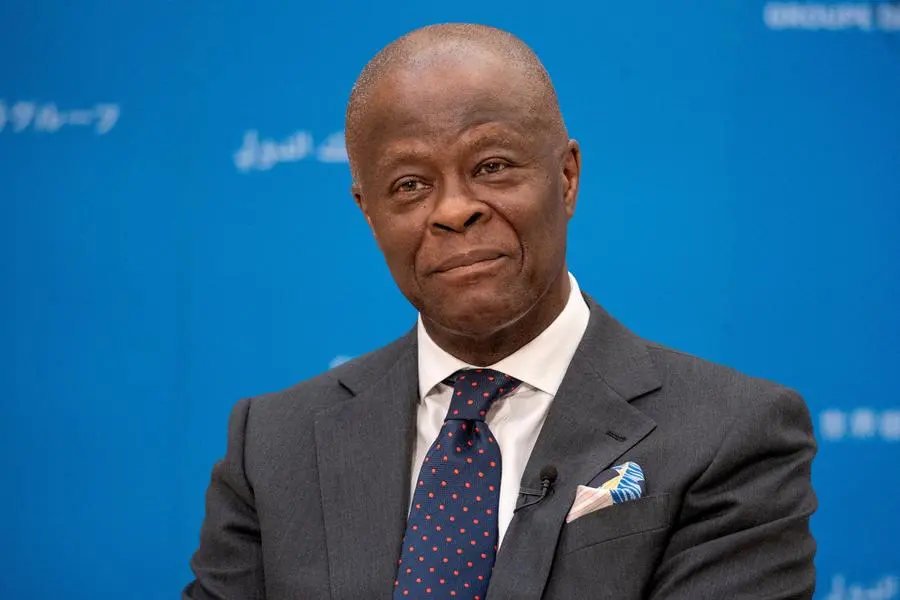
WASHINGTON: Nigerian Finance Minister and Chair of the G-24 coalition of developing countries, Wale Edun, said multilateral institutions should do more to support vulnerable countries weather the economic shocks of the war in the Middle East.
"We would like them to do more, we definitely like them to provide, particularly at this time, additional liquidity risk management tools that bring down the cost of financing," Edun said during a briefing of the G-24 during the IMF/ World Bank Spring meetings in Washington.
The G-24 aims to coordinate the positions of developing countries on monetary and development finance issues.
Edun said that given cuts to development assistance and international aid, and the cost of repaying debts, the net financial flows to developing economies are currently negative.
He also said that tighter financial conditions and heightened risk aversion in capital markets due to the war in the Middle East could reduce the flow of private capital into emerging economies, meaning that support from multilateral institutions was crucial for many countries.
On Monday, Edun said that Nigeria would seek stronger international financial support this week as the Iran war lifts fuel costs at home and complicates reforms.
But he said that it was essential that government support for vulnerable citizens was "targeted and temporary"; Nigeria for decades paid costly fuel subsidies that the current government removed in recent years.
"It is important that we don’t have a return to generalized subsidies and a sort of relapse into policies that have not proven successful," Edun said.
The developing world, he said, should also focus on domestic revenue mobilization and said that Africa should seek to boost internal trade to counter changes to the global trade system, which he said "pretty much is in retreat."
(Reporting by David Lawder and Libby George, Editing by William Maclean)