PHOTO
Nigeria’s maritime sector is undergoing a sweeping transformation being midwifed by the Managing Director of the Nigerian Ports Authority, Dr Abubakar Dantsoho. Anchored on port modernisation, digital trade facilitation and institutional reform, the new direction is designed to reposition Nigeria’s seaports as competitive hubs within the global shipping ecosystem, writes TOLA ADENUBI. Excerpts:
Last week, the Nigerian Ports Authority (NPA) released its 2025 report showing that the nation’s maritime sector recorded a historic surge in activity, driven by increased cargo throughput, rising container traffic, and a growing export footprint, a development that underscores the federal government’s commitment to economic diversification. The 2025 Operational Performance Report released by the NPA revealed that total cargo throughput surged by 24.8 percent, rising from approximately 103.6 million metric tons in 2024 to over 129.3 million metric tons in 2025. The Managing Director of the NPA, Dr Abubakar Dantsoho, described the growth as one of the most significant annual increases in Nigeria’s maritime history, noting that the milestone strengthens the country’s position as a more competitive and strategic player in regional and global trade. The outstanding performance did not just happen overnight, it is a result of the transformative reforms of the Federal Government.
President Bola Tinubu is reversing the trend through an ambitious reform programme driven by the Ministry of Marine and Blue Economy under Adegboyega Oyetola and implemented largely by the NPA under its Chief Executive Officer, Dr Dantsoho. At the centre of the reform strategy are two interconnected initiatives: the comprehensive modernisation of Nigeria’s port infrastructure and the deployment of the NSW.
The NPA, being a critical stakeholder in the NSW initiative, has fully aligned its operational processes with the NSW platform. In furtherance of this, NPA has been part of the NSW Committee, which has been working with the NSW Project Team, KPMG, and Crimson-Logic. These engagements have focused on ensuring seamless integration of the Authority’s Revenue Invoice Management System (RIMS 2.0) with the NSW architecture.
In line with Phase 1 of the NSW go-live, NPA has participated in a series of technical and strategic engagements with the NSW Project Team and implementation partners, complete initial User Acceptance Testing (UAT), inauguration of Transition Committee of the NSW and the development and delivery of all requested system endpoints (integration codes) to enable process alignment between NPA and NSW platforms.
Ports reconstruction and modernisation
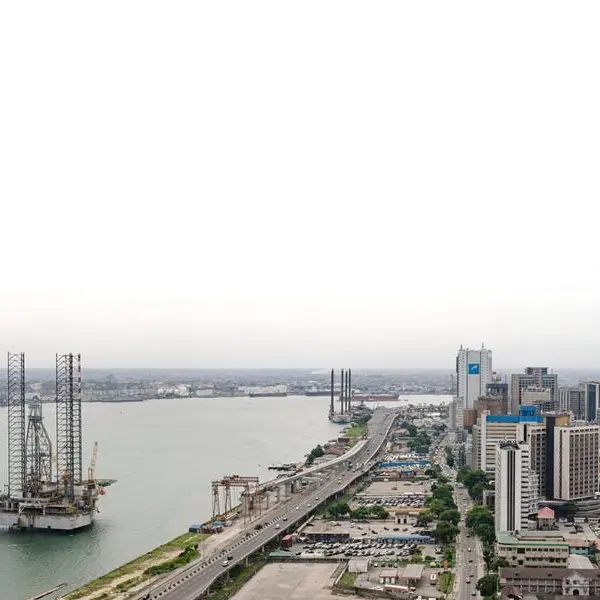
A cornerstone of the reform programme is the large-scale reconstruction and modernisation of the major seaports. The Federal Government has initiated an ambitious infrastructure renewal plan targeting key facilities, including Apapa, Tin Can Island, Port Harcourt, Warri and Calabar ports. The objective is to upgrade quay walls, deepen channels, modernise cargo-handling equipment and expand terminal capacity to accommodate larger vessels and increased trade volumes.
Early indicators suggest that these reforms are already beginning to produce measurable results. Nigeria’s cargo throughput recorded a significant surge in recent years, rising by 45.1 percent to 103.3 million tonnes, while ship calls increased to more than 4,000 vessels across the ports. Container traffic also climbed to 1.74 million TEUs, reflecting growing trade activity and increased export shipments. These improvements highlight the economic potential that could be unlocked when infrastructure upgrades are combined with operational reforms. One of the most immediate advantages of port modernisation is the improvement in operational efficiency. Many of the major ports were constructed several decades ago and have struggled to cope with the demands of modern shipping and cargo handling. Modernisation programmes that involve infrastructure upgrades, channel deepening and the deployment of modern cargo-handling equipment will significantly reduce vessel turnaround time and cargo dwell time.
Digital transformation via NSW
Infrastructure alone, however, cannot deliver a competitive port system without complementary digital reforms. This is where the NSW initiative becomes critical. The NSW is designed as an integrated digital platform that enables traders to submit all import, export and transit documentation through a single electronic interface rather than interacting with multiple government agencies. The implementation of the National Single Window adds a critical digital dimension to these reforms. The NSW is an integrated electronic platform that allows traders to submit all import and export documentation through a single portal rather than dealing separately with multiple government agencies.
In the traditional system, importers and exporters are required to process documentation with several regulatory bodies, including customs, port authorities and inspection agencies. This fragmented process often leads to duplication, delays and bureaucratic bottlenecks. The National Single Window eliminates these inefficiencies by integrating all trade-related processes into one digital ecosystem. The result is faster cargo clearance, improved transparency and greater accountability in port operations. Digital platforms reduce human intervention in administrative processes, thereby minimising opportunities for corruption and revenue leakages. In addition, real-time information sharing among stakeholders enhances coordination and improves decision-making across the maritime value chain. From a macroeconomic perspective, these reforms have the potential to significantly boost government revenue and stimulate economic growth. Ultimately, the combined impact of port modernisation and the National Single Window will extend beyond the maritime sector. By improving trade facilitation, lowering logistics costs and enhancing revenue generation, these reforms will contribute to broader economic diversification and position Nigeria as a leading maritime hub in West and Central Africa.
Analysts project that a fully operational National Single Window could boost customs revenue by 10 to 20 percent annually, translating into an additional N600 billion to N1.2 trillion in government earnings. Beyond revenue generation, the system could reduce cargo dwell time by 35 to 45 percent and cut overall trade transaction costs by up to 25 percent. Such improvements would significantly enhance Nigeria’s logistics performance and ease of doing business.
NPA’s operational leadership
The successful implementation of these reforms depends heavily on the institutional leadership of the Nigerian Ports Authority.
Under the leadership of Abubakar Dantsoho, the NPA has intensified efforts to modernise infrastructure, strengthen digital systems and improve operational efficiency across the nation’s port network. The authority’s reform agenda includes the deployment of advanced automation tools such as the Port Community System, the Vessel Traffic Management System and digital cargo tracking platforms. These initiatives are designed to enhance real-time coordination among port stakeholders and create the technological backbone required for the National Single Window to function effectively.
The impact of their reforms is also reflected in the financial performance of the NPA. The Authority generated N894.86 billion in revenue in 2024 and is projecting N1.28 trillion in revenue for 2025, driven largely by increased cargo traffic, digital automation and infrastructure upgrades. Additionally, the NPA remitted a record N400.8 billion to the Consolidated Revenue Fund (CRF) in 2024, nearly double the amount remitted the previous year. These figures underscore the growing economic significance of Nigeria’s maritime sector when supported by effective institutional leadership.
Oyetola’s policy coordination
While the NPA handles operational execution, the broader policy direction guiding the reforms comes from the Ministry of Marine and Blue Economy, led by Adegboyega Oyetola. The establishment of the ministry itself marked a strategic shift in Nigeria’s economic planning by recognising the maritime domain as a critical driver of national development. The blue economy encompasses a wide range of activities, including shipping, fisheries, marine transport, offshore energy and coastal tourism. Oyetola’s policy framework focuses on strengthening maritime governance, enhancing regulatory coordination and attracting investment into port infrastructure and maritime services. By aligning policy reforms with infrastructure upgrades and digital transformation, the ministry aims to build a maritime ecosystem capable of supporting Nigeria’s long-term economic diversification.
Economic Multipliers
The broader economic implications of these reforms extend far beyond the port terminals themselves. Efficient ports stimulate economic activity across multiple sectors, including manufacturing, agriculture, logistics and international trade.
Faster cargo clearance reduces production delays for industries that rely on imported raw materials, while improved export logistics enhance the competitiveness of Nigerian products in global markets.
In addition, maritime infrastructure investments create employment opportunities across engineering, logistics, information technology and port operations.
Charting Nigeria’s Maritime Future
The reforms being implemented in Nigeria’s maritime sector represent one of the most significant structural transformations of the country’s trade infrastructure in decades.
By combining port modernisation with digital trade facilitation, the administration of Bola Ahmed Tinubu is laying the groundwork for a more efficient and globally competitive port system.
With strong policy coordination from Adegboyega Oyetola and operational leadership from Abubakar Dantsoho at the Nigerian Ports Authority, the maritime sector is gradually being repositioned as a major driver of national economic growth.
If sustained and fully implemented, these reforms could transform Nigeria’s ports into modern logistics gateways capable of supporting industrial expansion, regional trade integration and long-term economic prosperity.
In many ways, the success of this maritime transformation will not only redefine the efficiency of Nigeria’s port system but also shape the country’s role in the future architecture of global trade.
Copyright © 2026 Nigerian Tribune Provided by SyndiGate Media Inc. (Syndigate.info).