PHOTO
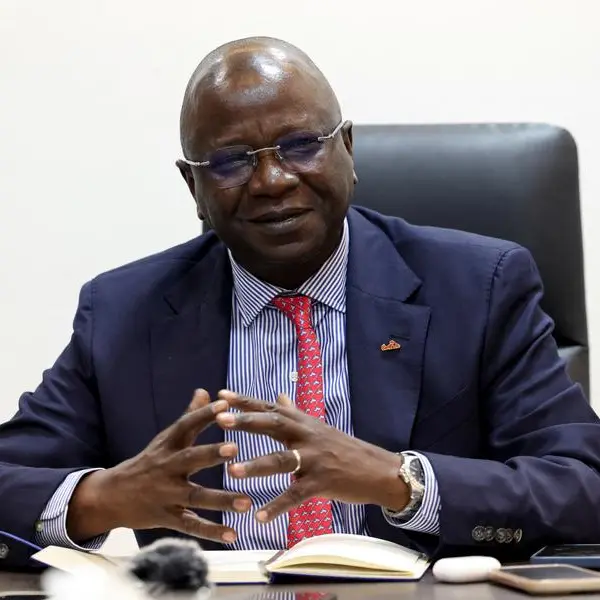
Nigeria's Minister of Finance and Coordinating Minister of the Economy, Wale Edun, has called on multilateral financial institutions to scale up support for developing countries amid mounting global economic pressures.
Edun, who also chairs the Intergovernmental Group of Twenty-Four (G-24), made the appeal during a briefing on the sidelines of the IMF/World Bank Spring Meetings in Washington, D.C.
He urged institutions such as the International Monetary Fund and World Bank to introduce additional liquidity and risk management tools to help vulnerable economies navigate external shocks, particularly those arising from the ongoing tensions in the Middle East.
“We would like them to do more, particularly at this time, by providing additional liquidity risk management tools that can bring down the cost of financing,” Edun said.
The minister noted that a combination of reduced development assistance, rising debt servicing obligations and tightening global financial conditions has left many developing economies facing negative net financial flows.
He warned that heightened risk aversion in global capital markets triggered in part by geopolitical tensions could further limit private capital inflows into emerging markets, making multilateral support increasingly critical.
Meanwhile, the IMF has projected that Nigeria’s economy will grow by 4.1 per cent in 2026, a rate higher than the global average and ahead of growth levels in advanced economies such as the United States and parts of Europe.
Despite the relatively strong growth outlook, economic pressures persist domestically, with rising living costs continuing to weigh on households.
Edun reiterated the Federal Government’s commitment to maintaining reform momentum, cautioning against a return to broad-based subsidy regimes. He stressed that any government intervention to support vulnerable populations must remain targeted and temporary.
“It is important that we don’t have a return to generalized subsidies or a relapse into policies that have not proven successful,” he said, referencing Nigeria’s long-standing fuel subsidy regime, which has been phased out in recent years.
The minister also called on developing countries to strengthen domestic revenue mobilisation and deepen regional trade ties, particularly within Africa, to mitigate the impact of shifts in the global trade environment.
According to him, boosting intra-African trade will be critical as the global trade system undergoes significant changes, with protectionist tendencies on the rise.
Copyright © 2026 Nigerian Tribune Provided by SyndiGate Media Inc. (Syndigate.info).