PHOTO
Kenyan banks are worried about loan defaults this year, fuelled by a surge in fuel prices and disruptions to global supply chains due to the Middle East conflict.
Industry lobby group, the Kenya Bankers Association (KBA), says there is a possibility of bad loans rising to over 16 percent of gross loans this year because of the rising cost of doing business.
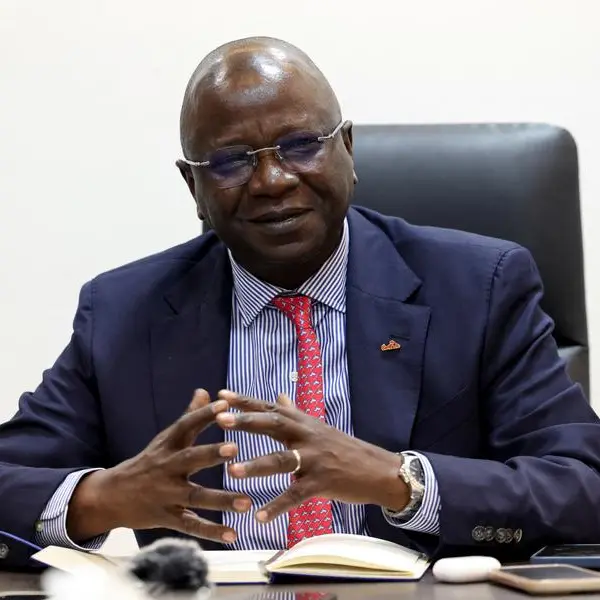
KBA says the current fuel price hikes in the country, if sustained for longer, may disrupt economic activity and slow borrowing as investors adopt a wait-and-see approach to their business expansion plans.“The current fuel price hikes, if sustained for longer, may disrupt economic activity and slow borrowing, as investors adopt a wait-and-see approach on their business expansion plans,” the lobby’s CEO Raimond Molenje told The EastAfrican.“The ensuing rising cost of doing business would exert some pressure on businesses to meet their loan obligations going forward, thereby making some loans non-performing. Our prediction is an escalation of the NPLs ratio above 16 percent if the war in the Middle East lasts longer.”NPLs increased slightly to 15.6 percent as at March 2026, from 15.4 percent in December 2025, but remain much lower than 17.6 percent recorded in August 2025.
In Nairobi, Super petrol first rose by $0.22 to $1.60, and diesel increased by $0.31 to $1.60 per litre, while kerosene remained at $1.18. Following the public outcry, President William Ruto directed a legislative change to reduce value-added tax on fuel by 50 percent to 8 percent for three months.
The Treasury Cabinet Secretary has been granted the latitude to extend the period for a further 90 days depending on the prevailing fuel situation locally and globally.
The VAT reduction effectively reduced petrol prices by $0.072 and diesel by $0.079 per litre in Nairobi, bringing the maximum retail price for Super petrol to $1.53 per litre, diesel to $1.52, while kerosene remained at $1.18.
But the prices are still much higher than in March – petrol at $1.38 and diesel at $1.29.
KBA says the current risk to inflation, which has necessitated the central bank to hold its policy rate steady, would delay the drive for further cuts in lending rates to households and businesses.“Keeping the CBR unchanged delays the drive towards single-digit lending rates,” Mr Molenje said.
Early this month, the CBK retained its benchmark lending rate to commercial banks at 8.75 percent after 10 consecutive cuts, signalling the regulator’s shift in policy stance to rein in inflationary pressures sparked by the escalating war in the Middle East.
The apex bank’s Monetary Policy Committee (MPC) said higher energy and fertiliser costs caused by the closure of the Strait of Hormuz, a critical transport corridor that handles 20 percent of world oil and 30 percent of maritime trade, have fuelled increased inflation prospects for global economies.
Rising international oil prices“Respondents anticipate some upward pressure on inflation over the next three months due to rising international oil prices linked to the conflict in the Middle East. However, most respondents expect the prevailing low and stable food prices, supported by improved food supply and higher agricultural output from ongoing long rains, to sustain price stability,” the survey says.
The study sought banks’ and non-bank private sector firms’ assessment of economic activity in January, February and March 2026, and their expectations for April, May and June 2026.
Some 82 percent of respondents expect higher fuel prices arising from geopolitical tensions, commodity price cycles and supply shocks to pose a significant medium-term inflation risk, particularly for a fuel-import-dependent country like Kenya.
© Copyright 2026 Nation Media Group. All Rights Reserved. Provided by SyndiGate Media Inc. (Syndigate.info).