PHOTO
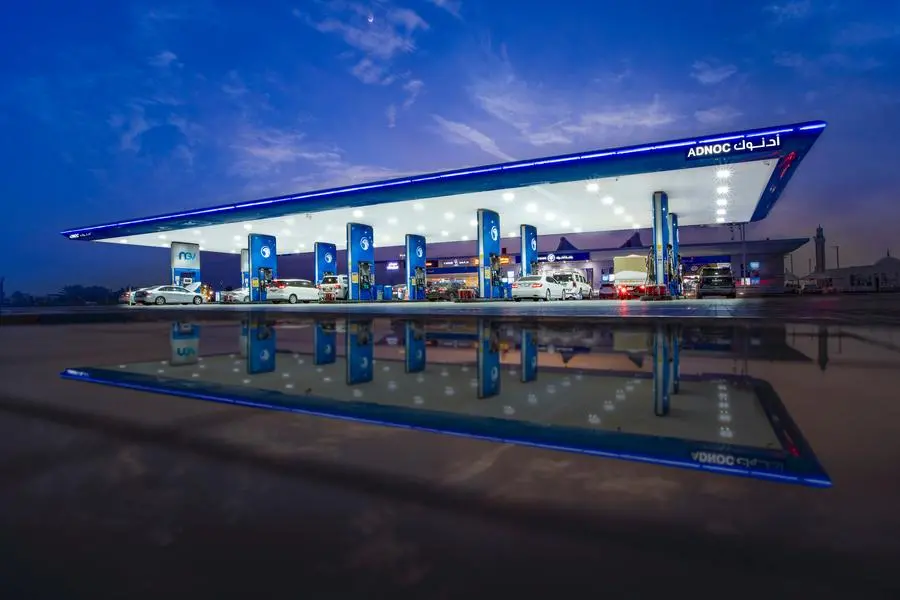
Kenya faces monthly losses of up to $40 million in diaspora remittances from the Gulf states as a result of the ongoing Middle East crisis, the World Bank has warned, highlighting the increasing economic fallout of the war on Africa.
The multilateral lender says in its latest Economic Update Report on Africa (April 2026), released on April 8, that the conflict has heightened risks to the continent’s remittances, threatening an essential source of income for African countries.“Remittances from the Gulf remain a critical lifeline for many African economies—particularly in East Africa—supported by large numbers of migrant workers employed in the construction and service industries,” the lender says.“The conflict has heightened risks to these flows, threatening an essential income source for countries such as Kenya, which could face monthly losses of up to $40 million. As migrant workers’ earnings decline, households across Africa are experiencing increased financial strain, especially in countries where remittances account for nearly 20 per cent of GDP, including the Comoros, The Gambia, Lesotho, and Liberia.”The bank says a protracted conflict could further reduce remittance inflows to the continent as employment prospects weaken, new hiring slows, and repatriations rise amid contractions in sectors such as hospitality and construction.
The bank says about 500,000 Kenyans were employed in Gulf states in 2022, and the ongoing developments in the Middle East point to growing risks to remittance inflows in the country.“Recent developments point to growing risks: in Kenya, data for March 2026 showed one of the sharpest monthly drops in remittances in recent years, with up to $40 million in monthly remittances potentially at risk,” it says.
The bank says these risks have intensified since February 28, when the Middle East conflict rapidly escalated, including direct attacks on energy production facilities and severe disruption to shipping through the Strait of Hormuz.
The war broke out when the US and Israel launched joint attacks on Iran after negotiations on Tehran’s nuclear programme collapsed, leading to a period of intense military confrontation.
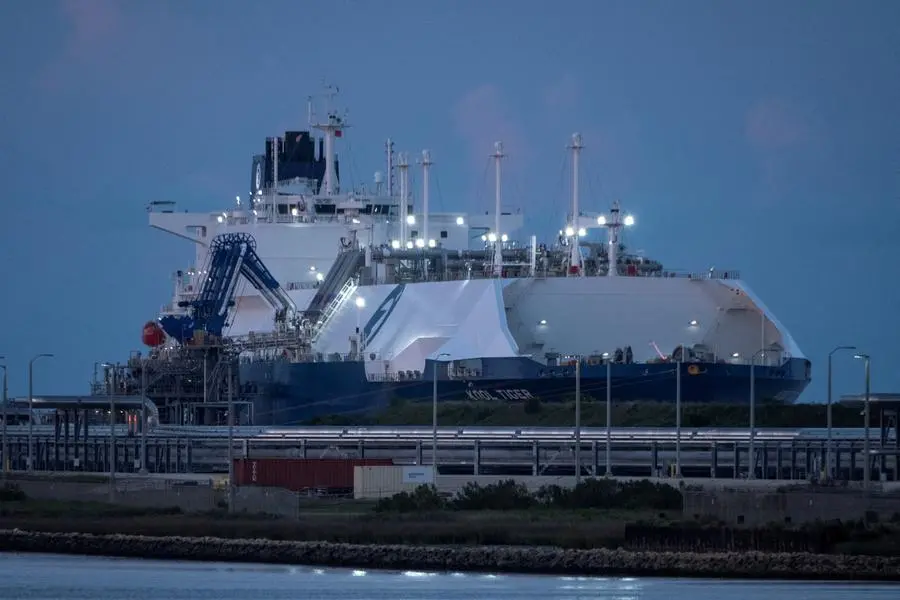
The conflict in the Middle East has resulted in attacks on energy infrastructure and a sharp reduction in shipping through the Strait of Hormuz.
Disruptions to the transit of goods through this narrow chokepoint have had immediate repercussions for global energy markets.
Approximately 38 percent of global seaborne crude oil and about one-fifth of both gas and refined oil products pass through the strait.
The region is also a major producer of ammonia and nitrogen—key inputs in many synthetic fertilizers—and Qatar accounts for 40 percent of global helium production, a critical component in semiconductor manufacturing.
In response to the disruptions, Brent crude oil prices rose from the low $70 per barrel in late February to above $110 by end-MarchPrices of Brent crude oil and liquefied natural gas have risen sharply, while fertilizer prices have also increased amid disruption to shipments through the Strait of Hormuz.
Early estimates, according to the World Bank, indicate that the impact of the Middle East crisis on household welfare in Africa has so far been limited but risks are expected to intensify if the crisis persists.“Many households remain vulnerable to shocks, and rising food and transportation prices—together with a potential decline in remittances from the Middle East—could erode incomes and purchasing power. These pressures would disproportionately affect households already near the poverty line,” the bank says.
This vulnerability is rooted in the large share of households living just above the poverty threshold. The share of Africa’s population between the $3 international poverty line and $8.30 income threshold—an indicator of the extent of income vulnerability— grew from 29 percent of the population in 2000 to 43 percent in 2022.
The bank notes that although extreme poverty declined over this period (2000-2022), the share of the population considered non-poor by higher global standards has improved only marginally since 2000.
As of 2022, only 11 percent of Africans lived on more than $8.30 per day, up from eight (8) percent in 2000— compared with an increase from 32 to 59 percent in the rest of the world.
The bank notes that poverty rate in Kenya (measured at the $3 international poverty line) could be two (2) to 4.5 percentage points higher in 2026, depending on the extent to which higher fuel prices are passed through to economy wide prices.
The report says rising geopolitical spillovers from the Middle East, coupled with heavy debt-service burdens and deep-seated structural weaknesses, are eroding growth prospects and stalling job creation in Africa, with more than 60 percent of the countries exhibiting medium or high exposure to oil and gas imports.
So far about 60 percent of the countries in the region (29 of 47) have recorded downward revisions to their 2026 growth forecasts including Angola, Kenya, Mozambique, Nigeria, Senegal, South Africa, and Zambia.
About 50 percent of African countries face sizable external financing constraints, with external financing needs exceeding 10 percent of GDP and foreign exchange reserves covering less than three months of imports.
In contrast, most countries maintain relatively low inflation rates with rough 70 percent of the countries recording year-on-year inflation below 6 percent by February 2026.
The WB however notes that the policy space for African countries to cushion the impact of higher energy prices remains limited.
For instance, two-thirds of the countries, gross general government debt is above 50 percent of GDP, and three in five countries run budget deficits exceeding three percent of GDP, reflecting the heavy burden of debt service.
The continents responses to the energy price shock have varied according to the countries r fiscal space and reliance on fuel imports.
In countries with little capacity to intervene such as Somalia and Zimbabwe, fuel prices have sharply surged.
© Copyright 2026 Nation Media Group. All Rights Reserved. Provided by SyndiGate Media Inc. (Syndigate.info).