PHOTO
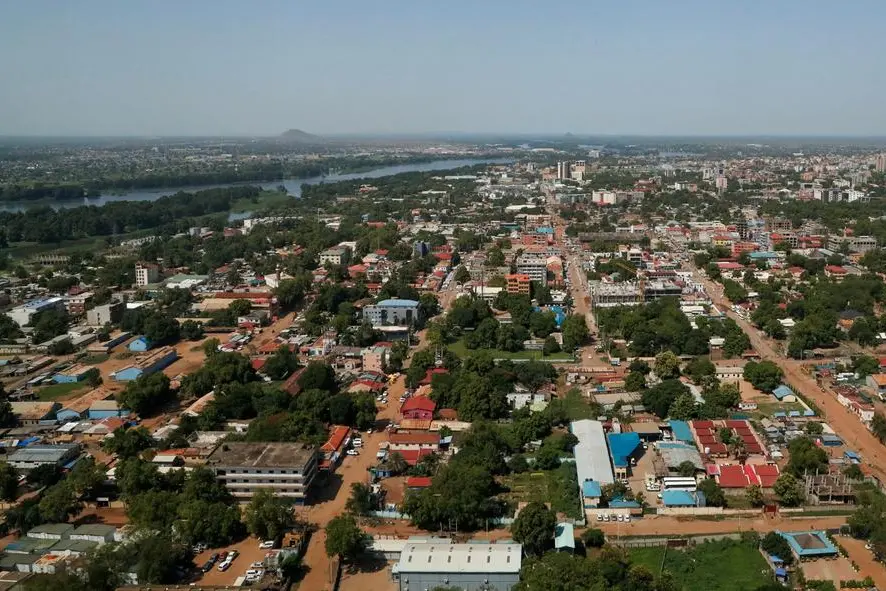
Juba is preparing to resume oil production at Heglig — the country’s largest oilfield — following a landmark tripartite security deal among warring parties in South Sudan and Sudan.
Heglig is a critical lifeline for South Sudan’s economy, which relies on oil for more than 90 percent of government revenue. The oilfield serves as the main processing hub for most of Juba’s crude exports.
The Heglig area produces about 20,000 barrels of oil per day from 75 wells and hosts the central processing facility for South Sudan’s oil.
Production was halted on December 8 after Sudan’s paramilitary Rapid Support Forces (RSF) seized the oilfield.
Two days later, Juba deployed troops to the strategic site under an unprecedented agreement with Sudan’s warring parties to secure the oilfield as fighting intensified across Sudan’s Kordofan region.
Local media in Juba report that oil production has resumed following a security agreement reached on December 11, 2025 between the South Sudan People’s Defence Forces (SSPDF) and Sudan’s rival forces — the Sudan Armed Forces (SAF) and the RSF — to jointly secure the area.
Radio Tamazuj reported on December 28 that technical teams had been redeployed to Heglig to prepare for the resumption of production.
The shutdown had threatened the economic stability of both countries.
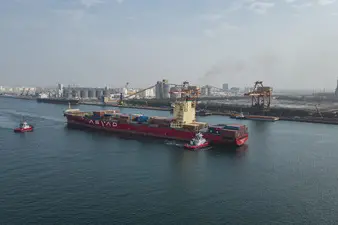
Heglig, located on the Sudan–South Sudan border, hosts key oil infrastructure and lies along the 1,600-kilometre pipeline that transports South Sudanese crude from the Unity oilfields to Port Sudan.
Since independence in 2011, South Sudan has depended on Sudan to export its oil through Port Sudan, paying transit fees under the 2005 peace agreement that ended Sudan’s north-south civil war.
Despite Sudan’s renewed conflict in 2023, Khartoum continued collecting transit fees from Juba.
According to the World Bank, a year-long shutdown of the Dar Blend pipeline between February 2024 and 2025 — which carries 63 percent of South Sudan’s oil — severely undermined macroeconomic stability in an already fragile economy.
The impact was compounded by cuts to US aid in early 2025 and a broader decline in foreign assistance, straining household consumption and essential services such as healthcare and education.
South Sudan’s economy contracted by an estimated 23.8 percent in 2025 as oil output fell sharply from about 160,000 barrels per day to around 60,000 bpd during the shutdown.
New strikes on the Heglig oil hub in late August further threatened flows and delayed the resumption of normal staffing levels.
Although Dar Blend exports resumed in April 2025 after repairs, drone attacks on Port Sudan in May reignited uncertainty.
South Sudan currently exports about 110,000 barrels per day, down from 350,000 bpd before the outbreak of civil war in 2013.
© Copyright 2022 Nation Media Group. All Rights Reserved. Provided by SyndiGate Media Inc. (Syndigate.info).