PHOTO
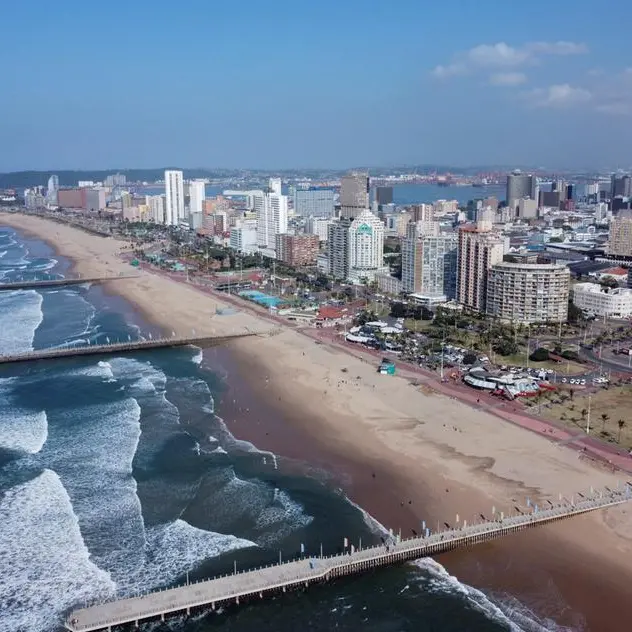
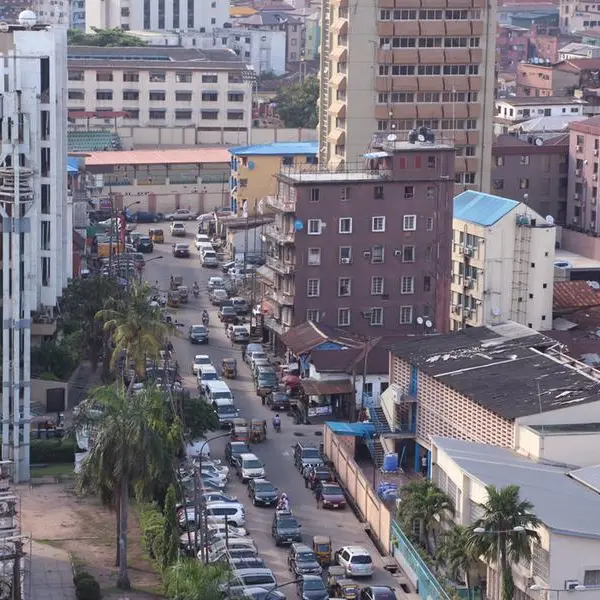
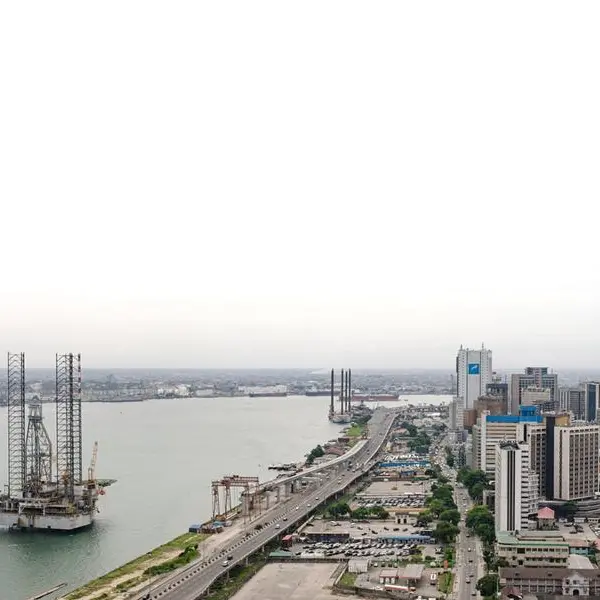
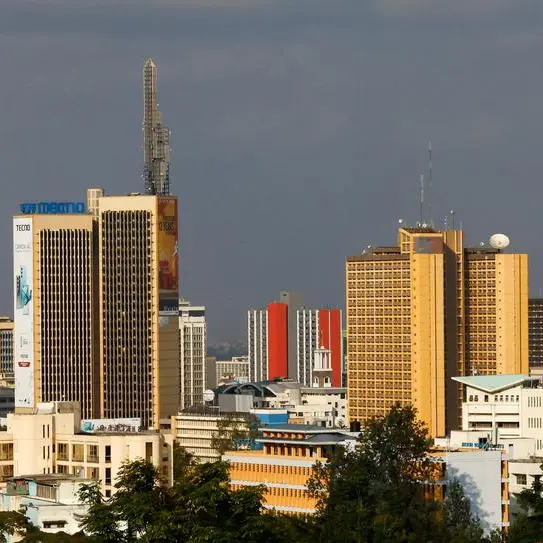
Tanzania has emerged as the biggest beneficiary of the World Bank-led Mission 300 project, expanding electricity access to 7.5 million people in just over a year, a feat programme officials attribute to strong government commitment and faster implementation of energy projects.
Backed by the African Development Bank (AfDB) and the World Bank, Mission 300, launched in Dar es Salaam last year, aims to connect at least 300 million people in sub-Saharan Africa to electricity by 2030.
In the 15 months since its launch, the programme has connected 50 million people in 23 countries, including Kenya and Rwanda. Tanzania has emerged as the single largest beneficiary, with 15 percent of all new connections recorded under the initiative.
However, countries such as Tanzania have attracted more funding and delivered stronger results because of greater “commitment” to expanding energy access and faster project execution.“It’s because of a combination of things, but the main one is a country’s own commitment to making progress,” Mr Herscowitz told The EastAfrican on the sidelines of the Africa Energy Forum.
Tanzania has also improved government efficiency in project implementation, including coordination among ministries and State agencies involved in energy delivery.
Power pushThe country has so far received funding for three projects under the Mission 300 programme, although only two have yielded results, connecting an additional 7.5 million people to electricity.
According to a progress report presented at the forum, the Tanzania Rural Electrification Expansion Programme has provided electricity access to five million people, while the Tanzania Accelerating Sustainable and Clean Energy Access Transformation in Eastern and Southern Africa Programme has connected a further 2.5 million.
Other countries in the region that have benefited from Mission 300 funding include Burundi, which has expanded electricity access to 265,000 people; the Democratic Republic of Congo (281,000); Somalia (71,000); and Uganda (2.5 million). South Sudan is the only country yet to record progress, although it has received funding for one project.
At the start of the programme, more than 10 financiers, including the AfDB and the World Bank, committed $50 billion in concessional financing for Africa’s energy projects through to 2030.
So far, projects across the 23 participating countries have attracted $1.4 billion from 10 financiers. The European Investment Bank leads with $347 million in financing, followed by the AfDB with $161 million.
Reform driveWorld Bank President Ajay Banga told the forum that the progress reflected “hard choices” made by African governments, with countries allocating more resources to energy, often at the expense of other sectors.“This did not happen by accident. It happened because governments in Africa made the right and hard choices, because reforms are moving, because public financing is being aligned, and private capital is beginning to come in,” he said in a virtual address.“This progress began with African governments undertaking difficult reforms and putting their own national energy compacts in place,” added AfDB President Sidi Ould Tah.
With just three years remaining before the 2030 deadline, governments and financiers are racing to accelerate project development and financing to expand energy access and reduce energy poverty across the continent.
Tanzania, Uganda and Kenya were among the first five countries to sign energy compacts in 2025, committing to reforms of national utilities and State agencies to accelerate power generation, transmission and distribution.
In East Africa, Tanzania has historically faced one of the region’s widest electricity access gaps, driven by low generation capacity and ageing transmission and distribution networks, which have also undermined reliability for existing consumers.
According to its energy pact, despite grid infrastructure covering the entire country, only 46 percent of the mainland population is connected to electricity, compared with 40 percent in Zanzibar.
Through Mission 300, Tanzania aims to connect at least 21 million people to electricity by 2030. Having already connected 7.5 million people within a year, it remains broadly on track with its targets.
The country also aims to increase the annual electricity access growth rate from seven percent in 2024 to 11.9 percent, lifting overall access to 75 percent of the population.
© Copyright 2026 Nation Media Group. All Rights Reserved. Provided by SyndiGate Media Inc. (Syndigate.info).