PHOTO
The City has invested R93-million at the Coastal Park Landfill site where methane is converted into electricity
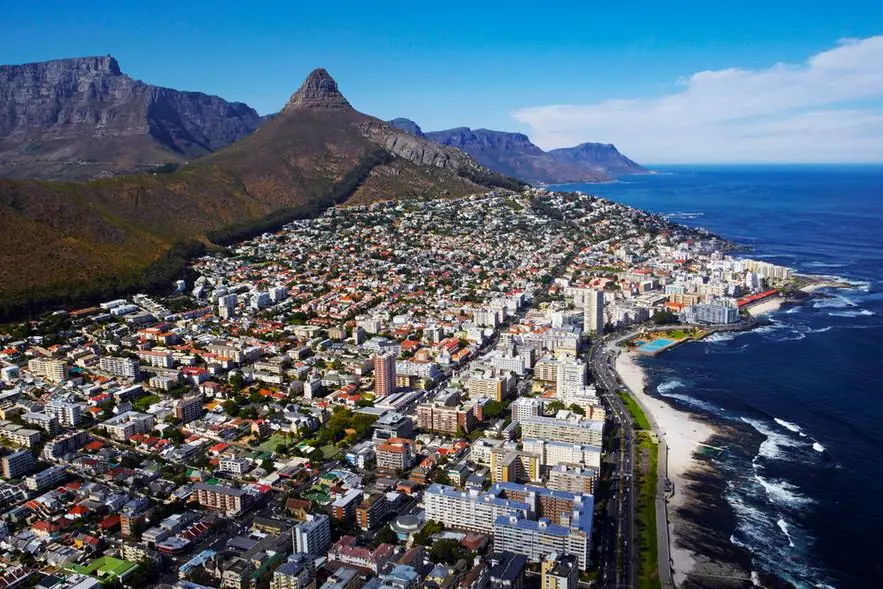
One of the largest landfill sites in Cape Town has been running a “pioneering” project by converting gas from waste into enough electricity to power over 4,300 homes.
The most harmful by-product of landfills is the release of methane gas from decomposing organic matter. It has been estimated that between 20 and 30% of global warming is caused by methane.
To counter this, the methane in landfill gas is captured and converted in the flare or gas engines to produce water vapour and carbon dioxide. (Per ton released into the atmosphere, methane causes more global warming than carbon dioxide.)
Landfills like Coastal Park are engineered and managed to prevent solid waste from ending up in the environment, transmitting diseases, and to keep the air and communities clean.
The R93-million Coastal Park Landfill near Muizenberg aims to reduce the release of harmful methane gas. It converts waste to energy. It generates 1.3 gigawatt hours (1.3-million kwh) of electricity per month.
This project, operating since November, converts the landfill gas into electricity by digging perforated pipes or ‘wells’ to extract methane gas.
There are 49 vertical gas wells, each 30m deep, embedded into the waste, and about the same number are trenched horizontally. These collect the methane which is channelled to the main collector pipe which leads to the landfill gas extraction and flaring plant.
On the way this gas is first treated to extract condensate. It is then put through a heat exchanger within which chilled water from the 110kw chiller supplies coolant at 7°C and removes more condensate.
But crucially it also removes impurities that damage the generators.
A portion of the generated electricity is fed into the grid while the remaining electricity will be used to run operations at the landfill, explains mayco member for Urban Waste Management Grant Twigg in a statement.
This initiative turns what would be a net loss operation into something much more positive.
The environment is protected, emissions are brought down and bulk electricity purchases from Eskom are reduced.
Also, carbon credits of R36-million have already been realised from reduced gas emissions at landfills, leading City officials to believe that such projects will in time pay for themselves.
This project will be expanded with an investment of a further R82-million by the City.
This article was originally published on GroundUp.
© 2025 GroundUp. This article is licensed under a Creative Commons Attribution-NoDerivatives 4.0 International License.
All rights reserved. © 2026. Bizcommunity.com Provided by SyndiGate Media Inc. (Syndigate.info).