PHOTO
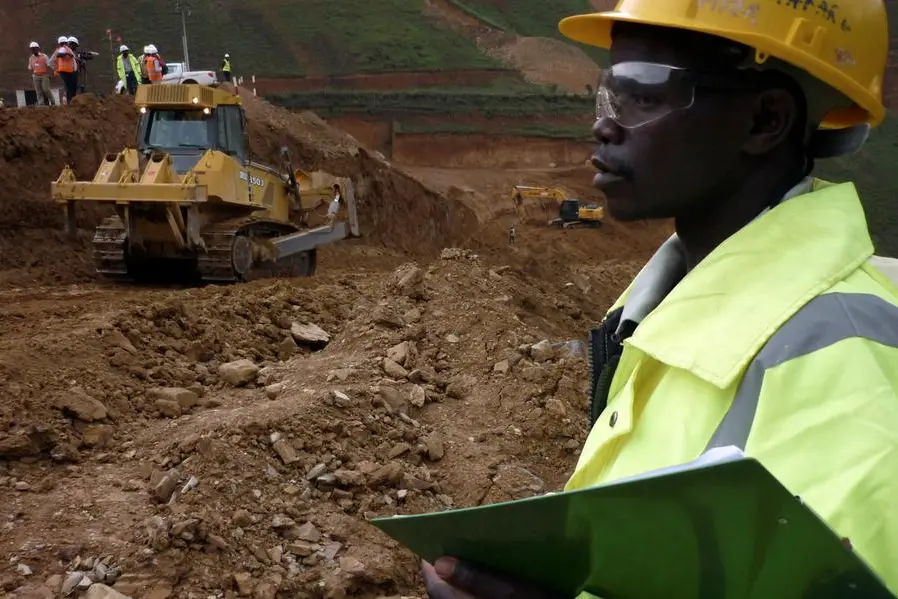
DAKAR/JOHANNESBURG - Congo's leading copper and cobalt producers have had some orders for key leaching chemicals cancelled or withdrawn by suppliers this month, forcing miners to cut usage and consider output reductions as Middle East-linked supply disruptions deepen, industry sources with knowledge of the matter told Reuters.
The Democratic Republic of Congo is the world's top cobalt producer and Africa's largest copper supplier - making it a key plank in global supply chains for electric vehicles and the clean-energy transition.
Copper and cobalt mining in the country depend heavily on sulfuric acid and sulfur-based chemicals such as sodium metabisulfite (SMBS), supplies of which have been hit by shipping turmoil linked to the Iran war.
Some miners are already feeling the impact. A 2,000-metric-ton SMBS order was cancelled outright, while another 1,800-ton shipment was withdrawn earlier in April after contracts had been signed, a supply-chain source said, speaking on condition of anonymity due to the commercial sensitivity of contracts.
Miners are cutting chemical consumption to stretch available stocks and considering reducing cobalt production, the source and mining chemicals supply-chain consultant Isabel Ramirez said. Producing off-spec cobalt is another option, though not ideal.
The sources declined to name the companies affected, but one referenced the three biggest operators in the DRC - China's CMOC , Glencore and Eurasian Resources Group.
Glencore declined to comment. CMOC, Eurasian Resources Group and Congo's mines minister did not immediately respond to requests for comment.
SUPPLY VERIFICATION TIGHTENED
With uncertainty rising, buyers are placing overlapping orders and tightening supply-verification protocols, including sending representatives to warehouses to check physical inventories and ownership documents, the supply-chain source said.
"Now they want to verify first that you actually have the stock," the source added.
Congo's months-long cobalt export suspension and the introduction of quotas have already constrained supplies, hitting smelters globally. The government said this month it will allow companies to ship delayed fourth-quarter quotas by April 30 and first-quarter volumes by end-June.
Premiums for sulfuric acid and SMBS shipped through Tanzania's Dar es Salaam port have almost doubled since the war began, raising costs for miners, said Peter Harrisson, an analyst at consultancy CRU.
Ship rerouting and limited freight availability have exacerbated the problem, Ramirez said.
"What used to take you three months now takes you four, six months," she said. "There is a heightened risk of shortages."