PHOTO
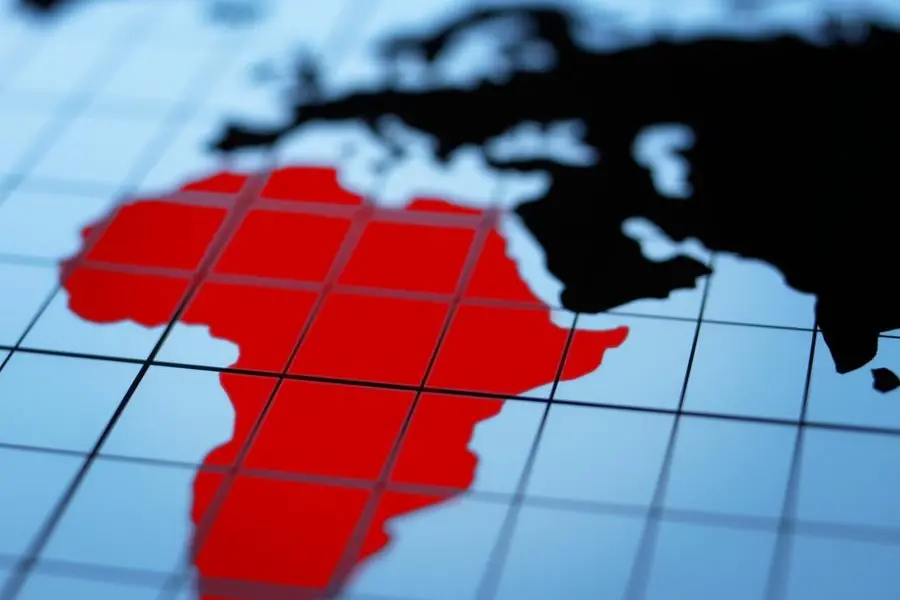
China has reiterated its plan to remove tariffs on imports from African countries starting May 1, aimed at increasing trade with the continent.
Chinese Vice-President Han Zheng who, is visiting Kenya, told the Kenya-China Business Forum in Nairobi that China was ready to implement the zero-tariff treatment with Africa announced by President Xi Jinping last month.“Last month, President Xi Jinping announced that China will fully implement the zero-tariff treatment for 53 African countries with diplomatic relations with China starting from May the 1, 2026. This fully demonstrates China's firm resolve and sincerity in taking real action for the common prosperity and development of the global south,” Mr Han said.
“We are ready to work with Kenya and other African countries in defending the multilateral trading system and fostering an open, inclusive, and non-discriminatory international environment for economic cooperation.”He said Chinese companies will “help Kenya in expanding competitive industries and realise sustainable development and work together to foster new drivers of development … to defend multilateralism and be contributors to an open world economy.”China and Kenya have recently held talks on an Early Harvest Arrangement for the Agreement on Economic Partnership for Common Development, an interim trade deal designed to provide immediate trade benefits while negotiations for a full Free Trade Agreement continue.
China has pledged to expand market access for African products by upgrading the green lanes initiative, a scheme that allows the passage of essential goods.
The full implementation of zero-tariff treatment is expected to lower export costs for African exporters to the Chinese market.
Under the arrangement, Chinese enterprises will be incentivised to invest and build factories to turn Africa from a source of raw material to a manufacturing hub and promote industrial and supply chains.
Kenya’s Deputy President Prof Kithure Kindiki, who received the Chinese counterpart at the event, praised China as “one of the world’s most dynamic economies,” with a consumer base of over 1.4 billion people.“For Kenya, this presents significant opportunities to expand exports, deepen industrial cooperation and attract investment,” Prof Kindiki said.
He decried the imbalance of trade between the two countries.“China remains Kenya’s largest source of imports. However, Kenya’s exports to the Chinese market remain relatively low. This is an indication that our bilateral trade is not a true reflection of the full potential of both countries,” said Prof Kindiki.“Our shared objective is to expand Kenya’s exports to the Chinese market, particularly value-added agricultural products, scale up the value chain, increase manufacturing cooperation and strive to move towards a more balanced trade between our two economies.”Trade deficitKindiki and Han flagged off 54 containers carrying avocados, avocado oil, coffee, hides and skins, at the Syokimau railway terminus en route to the port of Mombasa for shipment to China.
In 2024, Kenya’s exports to China stood at $210 million and imports from China were at $4.32 billion. Between 2021 and 2025, the trade deficit between Kenya and China almost quadrupled in favour of China from $1.3 billion in 2021 to $4 billion in 2025.
Most Chinese exports into Kenya are high-value products such as machinery, electronics and, lately, vehicles, while Kenya exports to China low value primary agricultural produces such as tea, coffee and avocados aside for some minerals.
Kenya’s Trade Cabinet Secretary Lee Kinyanjui said the Early Harvest framework would help address the trade imbalance.“Under this framework, Kenyan exporters will enjoy zero-duty market access to the Chinese market for about 98.2 percent of tariff lines for diverse products, including tea, coffee, avocados, macadamia nuts, horticultural produce. The relevant government institutions are now working with our exporters to ensure they are certified, market-ready, and connected to Chinese buyers to fully exploit this opportunity,” the minister said.
In his African tour spanning March 22 to March 30, Mr Han will visit two other African nations, South Africa and Seychelles, with talks focusing on infrastructure financing, agricultural exports, and strengthening partnerships.
© Copyright 2026 Nation Media Group. All Rights Reserved. Provided by SyndiGate Media Inc. (Syndigate.info).