PHOTO
Kenya is among three countries piloting a new digital platform meant to fast-track Africa’s single market, but exporters say the real obstacles to integration remain on the ground – poor transport infrastructure and restrictive movement policies.
The African Digital Access and Public Infrastructure for Trade (Adapt) initiative this week went live in Kenya, Nigeria and Morocco, inching the continent closer to its long-awaited free trade area.
Launched in November 2025, Adapt provides an interoperable platform linking digital identity and payment systems across countries, allowing cheaper cross-border transactions and easier trade information-sharing. This would reduce reliance on multiple intermediary banks that drive up costs.
While proponents argue it could solve one of the biggest barriers to the full take-off of the African Continental Free Trade Area (AfCFTA) – payments – traders and industry leaders remain sceptical, saying infrastructure gaps and movement restrictions continue to hamper trade.“Adapt is not only digitising processes, but it is also creating a shared, interoperable foundation where trade data can be trusted, verified, and exchanged securely across borders,” said Dominik Schiener, chair of the Iota Foundation, which supported the platform’s development.
AfCFTA Secretary-General Wamkele Mene said the platform “will be the engine that lowers trade costs, expands market access, and enables a more competitive, inclusive, and resilient African single market.”
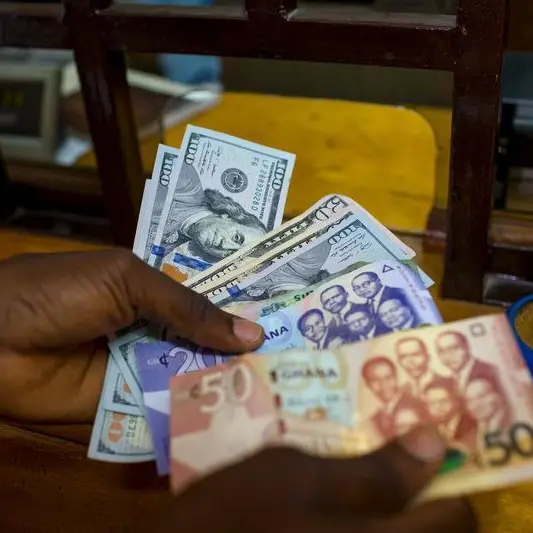
It is estimated that high cross-border transaction costs can make intra-African trade up to 50 percent more expensive, part of the reason trade within the continent remains at just 16 percent, according to the African Export-Import Bank. Adapt has been presented as one potential response to this challenge.“Africa’s trade future will be shaped by how effectively we implement the AfCFTA and remove real barriers to cross-border commerce. That requires stronger collaboration between the public and private sectors, and solutions grounded in African realities. Adapt reflects this shift,” said Chido Munyati, head of Africa at the World Economic Forum.
Ground realityYet some of the region’s biggest companies remain hesitant to expand into distant African markets, put off by logistical bottlenecks and infrastructure deficits that sharply increase trading costs.
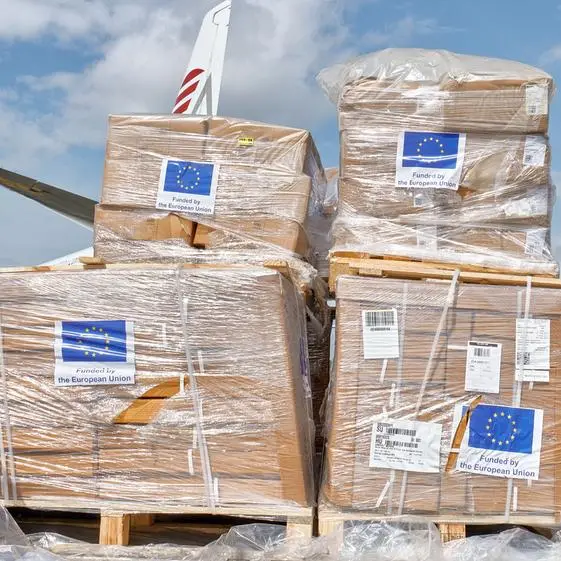
Mohammed Dewji, chief executive of Tanzanian conglomerate MeTL Group, said moving goods from Mombasa to Kigali costs his company more than shipping crude palm oil from Malaysia or Indonesia.“This is something that is infrastructure-related. There is a huge infrastructure gap worth billions,” Mr Dewji told The EastAfrican.“I think the free trade area, if done well, should work and should bring prosperity to Africans. But there should be easy movement not only of goods, but also of people.”Read: Mo Ibrahim: Africa loses $5bn in currency conversion costs yearlyNairobi-based Tetra Pak East Africa, a packaging company that operates across the region, has faced similar logistical barriers in efforts to expand beyond the region, forcing a go-slow.“Try sending a product from Kenya to Ghana. You have to take it to Mombasa, put it on a ship and go around the Cape of Good Hope in South Africa. That’s not very efficient,” said Jonathan Kinisu, Tetra Pak’s managing director.“Similarly, we have a customer who tried sending a product from Rwanda to the Central African Republic. It took four months by road. Those challenges need to be overcome for us to properly trade with each other.”Africa needs about $150 billion to close the infrastructure gap constraining continental trade, according to the African Development Bank, a sum proving difficult to raise.
Missing linksWhile railway is widely seen as the continent’s preferred freight transport mode, major corridor projects continue to struggle to take off, with financing a persistent obstacle.
In East Africa, the standard gauge railway project, intended to link the port of Mombasa to Kampala, Kigali, Bujumbura, Kinshasa and Juba, has long stalled over funding. Kenya only recently launched work to complete its section to the Ugandan border after using its Railway Development Levy Fund as collateral for a loan.
The Lobito Corridor, linking the Copperbelt in Zambia and the Democratic Republic of Congo to Angola’s Atlantic port of Lobito, has also struggled to expand beyond Angola because of financing constraints.
Despite these hurdles, signs of regional integration are emerging in trade data.
East African Community states, for instance, have recorded strong growth in trade within the bloc and with other African regional economic communities.
In the last quarter of 2025, EAC trade with Africa grew by more than 40 percent, the fastest pace in three years, while trade with the rest of the world expanded by 25 percent.
In December, EAC trade with Ecowas grew by 55 percent year-on-year, compared with 19 percent growth in trade with the European Union.“As a continent, we are trying very hard to fill the infrastructure gap. I believe efficiencies will improve with time and things will get better. I’m hopeful,” Mr Dewji said.
© Copyright 2026 Nation Media Group. All Rights Reserved. Provided by SyndiGate Media Inc. (Syndigate.info).