PHOTO
African leaders have warned that the Middle East crisis has exposed the continent’s dependence on external energy supplies and weak crisis-monitoring systems, urging governments to strengthen energy sovereignty and activate early warning mechanisms to protect economies and security from external shocks.
It was a self-appraisal of how the continent responded to war between the US and Iran on February 28, and which has gone on to date despite a ceasefire deal. The revelations are contained in a ‘declaration’ of ministers meeting in Lomé, Togo on July 3 to discuss impacts, challenges and strategic responses to global crisis.
They said the Gulf crisis had revealed Africa’s underlying soft belly; that of relying on external suppliers for most of its energy needs.“We note that the economic impacts of the crisis in the Middle East on Africa reveal both the structural limitations of African economies and their vulnerability, with a weak capacity to withstand external shocks,” they said in a joint declaration.
The declaration was made after a meeting under the Extraordinary Ministerial Conference of the African Political Alliance convened under the theme, Africa and the Crisis in the Middle East: Impacts, Challenges, and Strategic Responses.
Faure Gnassingbe, President of the Togolese Council, and President Julius Mada Bio of Sierra Leone, who is also the current chair of Economic Community of West African States (Ecowas), attended.
To these leaders, Africa’s continental trade could alleviate the problem. However, it must first involve actual production of goods the continent is heavily importing from elsewhere, such as refined oil.“We encourage African states to strengthen their economic resilience against external geopolitical shocks, notably through diversification, industrialisation, the development of intra-African trade and the acceleration of the implementation of the African Continental Free Trade Area.”The declaration was more of a call to action, rather than a legal document compelling states.
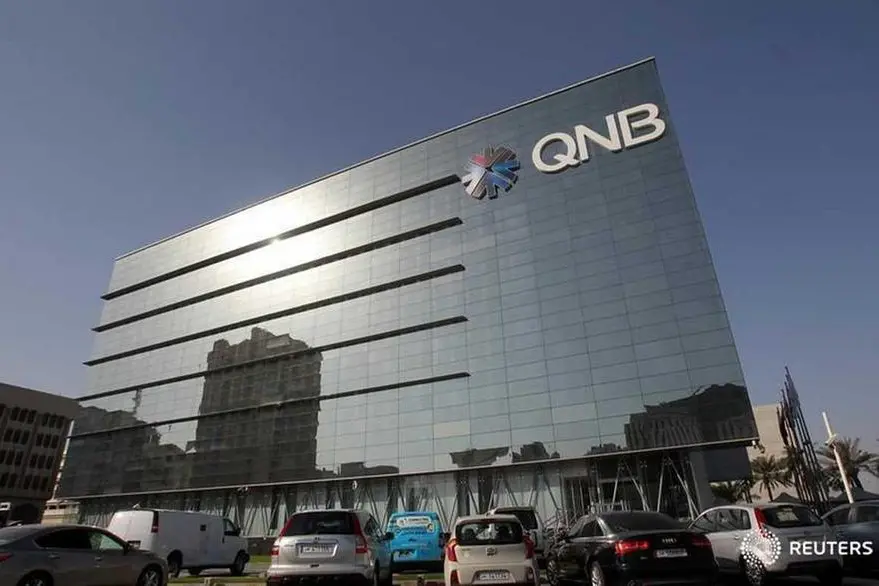
Yet it also showed the ongoing concerns for a wide variety of leaders both in Africa and in the Gulf itself. When the war started, immediate Gulf neighbours such as Kuwait, Qatar, Oman and the United Arab Emirates became targets of missiles and drone attacks as Iran avenged for US raids. Soon, their economies started to face problems as tourists couldn’t visit and flights were halted. The destruction from bombs and halted tourism weren’t as tough as a blocked Strait of Hormuz limiting oil exports for these economies.
The Strait of Hormuz supplies about a fifth of the world’s oil and gas. For some African countries, especially on the eastern coast, the Gulf supplies nearly all their oil and gas needs. This is why oil prices rose sharply in Kenya, Tanzania, Ethiopia and Rwanda. Their authorities all cited the uncertainty of importing oil from the Gulf through the Strait of Hormuz, where ships couldn’t pass.
The US and Iran later signed a ceasefire to allow them to negotiate a long-term peace agreement. On Wednesday, US President Donald Trump told reporters in Ankara that the ceasefire was “over” after Iran attacked ships and the US retaliated. Trump called Iranian leaders “scumbag” but still left the door open for negotiations to continue.
His talk around the conflict has often been hot and cold, providing further uncertainty on whether trade could resume normally sooner.
In Lome, leaders admitted that the uncertainty could hurt Africa more especially since Africa also relies on other chokepoints such as the Suez Canal and the Bab el-Mandeb Strait to import other critical goods.
President Bio said the consequences of the Gulf conflict “go far beyond the borders of the region,” asking peers not just to comment on the crisis but “to contribute to a more structured African response.”Part of the structured solution, the extraordinary Ministerial Conference suggested, is for countries to pursue collective peace and coordinate responses to crises.
However, for conflicts outside of the continent, they said Africa must begin strengthening its own institutions and strategies to protect its energy sovereignty. That could mean building its own oil refineries, implementing open-border policies, and advocating Africa’s voice in decision-making forums.
Over the last decade, Africa has suffered the most even when the crisis didn’t originate from here. It suffered supply-chain problems when Covid-19 emerged from China and spread across the world, halting commerce. African countries struggled to obtain vaccines even as richer countries imposed tougher conditions for travel. When Russia invaded Ukraine in 2022, the price of wheat rose sharply on the continent. The two countries had been the biggest suppliers of wheat to Africa.
The Gulf crisis continued the trend. But the ministers said warning signs can help dodge the bullet in future.“We note that the geographical proximity between the Middle East and the continent calls on Africa to heighten its vigilance in the security sphere, to activate its early warning mechanisms in regions bordering the Middle East, and to strengthen its capacity for anticipation and response to international crises.”
© Copyright 2026 Nation Media Group. All Rights Reserved. Provided by SyndiGate Media Inc. (Syndigate.info).