PHOTO
Africa’s vulnerability to geopolitical pressure rests on a hard contradiction. Many African states are sovereign in law but constrained in command, holding assets the world wants without the institutional depth to turn them into bargaining power.
This condition was produced through history. Enslavement, conquest, and colonial extraction helped build the modern world by reorganising African societies for external use while weakening Africa’s ability to shape that order itself.
It redirected production outward, subordinated older authorities, hardened social categories, centralised coercion, and built administrations designed to control populations rather than cultivate citizenship.
The colonial violence was institutional as much as physical. Colonial power broke older systems of authority, then rebuilt them as instruments of rule.
It turned flexible identities into administrative categories, fixed mobile communities inside imperial borders, and made production serve distant markets. It trained the state to extract, police, classify, and pacify before it learned to mediate, include, and build.
External power no longer depends on formal empire. It now moves through finance, security access, infrastructure, technology, elite networks, and diplomatic pressure. The instruments have changed. The logic of access and extraction endures.
Where institutions are shallow, sovereignty becomes permeable. Fragmented elites create entry points for external influence. Weak revenue systems deepen dependence on outside finance.
As confidence in the state erodes, external actors gain greater influence over security, capital, and political direction. A state that cannot organise itself internally struggles to defend its interests externally.
The global context has made this exposure more dangerous. Institutions that once claimed to manage world order are losing authority. International law is applied unevenly.
Multilateral reform is blocked by those who benefit from inherited hierarchy. Financial rules discipline weak states more easily than powerful ones. The international rules governing climate, technology, migration, and debt still favour stronger powers.
Strategic fear now drives the contest. Africa’s minerals, routes, data, markets, votes, and demography have made it indispensable, and therefore more contested. That fear encourages pressure and alliances with whoever can deliver access, even when institutions suffer.
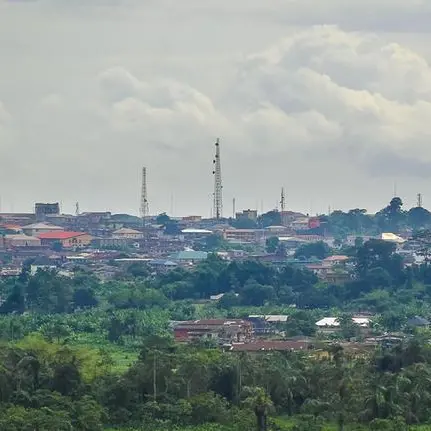
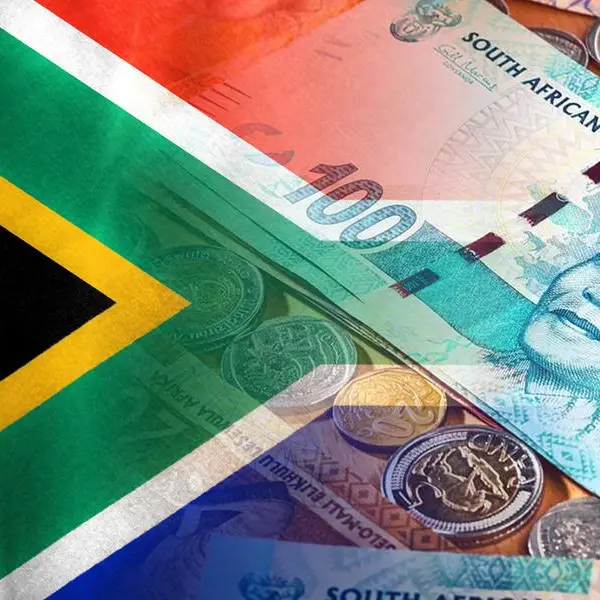
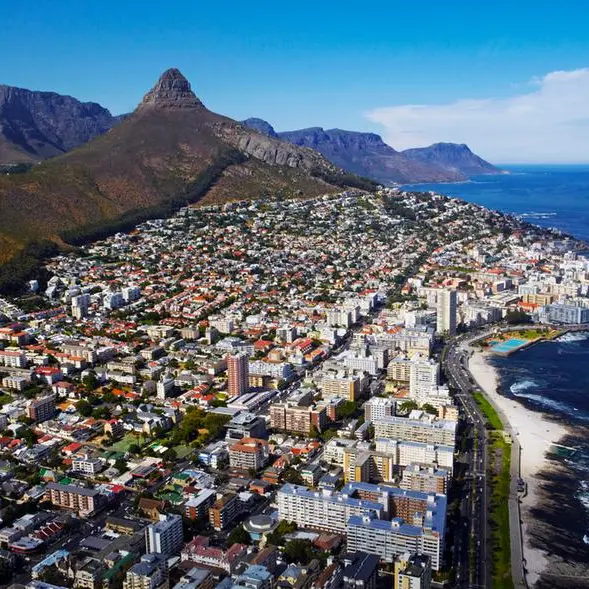
South Africa and Nigeria are Africa’s load-bearing states. One anchors industry, finance, minerals, logistics, and diplomacy. The other anchors population, energy, markets, culture, and West Africa’s strategic weight. When these two states are coherent, Africa’s bargaining position strengthens. When they fracture, the continent’s strategic posture weakens.
South Africa’s hostility toward African migrants and Nigeria’s polarisation create geopolitical openings. A divided society negotiates poorly. A state consumed by internal suspicion struggles to protect long-term interests. Existing fractures provide enough terrain for leverage.
Identity polarisation follows an institutional logic. When the state cannot credibly provide security, work, justice, and recognition, citizens seek protection in narrower communities.
Migrants become targets in South Africa because economic pain looks for a visible body. Ethnicity, religion, and region harden in Nigeria because citizens doubt the impartiality of national institutions. These are symptoms of civic compacts under strain.
The West’s reluctance to confront colonial violence still matters. Full acknowledgement would require more than ceremonial regret. It would require admitting that the modern order rests on liberal institutions and innovation, but also on conquest, enslavement, dispossession, and unequal incorporation.
Western elite incentives make evasion predictable. A serious accounting would weaken inherited moral authority, complicate claims of benevolent leadership, and strengthen demands for restitution, debt justice, climate finance, museum returns, migration rights, trade reform, and institutional restructuring.
It would expose how much present advantage rests on past extraction and how much inequality is protected by institutions described as neutral.
Colonial violence is often translated into softer language. Empire becomes development. Domination becomes modernisation. Extraction becomes commerce. Racial hierarchy becomes administrative paternalism.
This language turns structural violence into ordinary history, allowing former imperial powers to claim empire’s institutions while disowning the coercion that built them.
The African Union’s reparatory justice agenda matters because it turns memory into power. Reparations become real when they strengthen Africa’s control over its institutions, history, resources, and place in the global order.
Cognitive justice belongs in this struggle. Africa was reduced through material extraction, intellectual distortion, and symbolic diminishment. The continent was made smaller in maps, theories, archives, museums, and global imagination. Representation shapes power.
The Africa Forward Summit should begin from this reality. Africa’s centrality matters only if it changes the bargain. The world’s future increasingly runs through Africa’s resources, trade routes, workforce, and geography, Africa must turn that importance into real leverage, productive power, and better terms of engagement. Otherwise, new partnerships will update old extraction with better language.
The summit faces a strategic test. Africa must bargain for command over production, infrastructure, technology, finance, and knowledge systems, not merely better terms for extraction and capital. Reparatory justice belongs here because past extraction still structures present asymmetry.
Historical grievance offers moral force. Institutions provide strategic protection. Africa is exposed where revenue is weak, production shallow, elites divided, infrastructure dependent, and institutions mistrusted. It gains power when states can tax, produce, defend, regulate, innovate, and coordinate at scale.
The task is dual. Western powers must face sustained pressure to account for the violence and extraction that shaped the modern world. Africa’s future will turn less on historical recognition alone than on whether states can convert memory into institutional strength, reparatory justice into structural reform, and sovereignty into real command over finance, production, technology, and security. In the end, dignity in the international system follows organised power. ©
Copyright 2026 Nation Media Group. All Rights Reserved. Provided by SyndiGate Media Inc. (Syndigate.info).